

Advantages of online shopping: your 2026 guide
TL;DR:
- Online shopping offers 24/7 access to a broader product selection and better prices through comparison tools.
- It minimizes physical store friction, saving time, money, and providing convenience for repetitive and non-urgent purchases.
Online shopping is the practice of purchasing products and services through digital platforms, giving you access to thousands of items from any location at any time. The advantages of online shopping go well beyond simple convenience. A 2026 Australian report found that households could save an average of $1,414 annually through online retail, and the same research links omnichannel shopping to fuel savings of up to 24% per typical shopping trip. Whether you are buying everyday essentials or seasonal fashion, the benefits of online shopping compound quickly when you know how to use them.
1. What are the main advantages of online shopping?
Online shopping gives you 24/7 access to products without leaving your home, office, or wherever you happen to be. Convenience is framed as the single biggest draw, covering everything from skipping parking lots to avoiding checkout queues. You can browse at midnight, pause your cart, and return to it the next morning. No physical store offers that kind of flexibility.

The financial case is equally strong. Price comparison across dozens of retailers takes minutes online, compared to hours of driving between stores. Add in exclusive online discounts, cashback portals, and seasonal sales, and the savings potential is real and measurable.
2. How convenience transforms your shopping experience
Shopping online removes the friction that makes in-store trips exhausting. There are no crowds, no parking fees, and no store closing times. Online shopping offers 24/7 availability from any location, which is especially valuable for consumers with mobility challenges, demanding schedules, or young children at home.
The digital shopping workflow also changes how you make decisions. You can iteratively filter, compare, and revisit options at your own pace, something a physical store visit simply cannot replicate. Saved wishlists, stored payment details, and size preferences mean repeat purchases take seconds rather than a full trip.
Key convenience features that online shoppers rely on:
- 24/7 access from any device, including mobile phones and tablets
- Saved preferences such as size, colour, and delivery address for faster checkout
- Wishlist and cart saving so you can return to a purchase without starting over
- Mobile app notifications for restocked items or price drops on saved products
- Home delivery that removes the need to carry heavy bags or arrange transport
Pro Tip: Install the mobile app for any retailer you shop with regularly. App-exclusive deals and push notifications for price drops can save you money you would otherwise miss entirely.
3. Financial benefits and cost-saving opportunities
The most direct financial benefit of shopping online is price transparency. You can compare prices across many retailers in minutes using search engines and price-comparison tools, something that would take hours in person. Shipping costs may reduce savings depending on order size, so the full picture matters more than the sticker price alone.
Discounts are more accessible online than in physical stores. Exclusive promo codes, flash sales, and cashback portals add layers of savings that in-store shopping rarely matches. Retailers also run deeper clearance events online because they carry less overhead than a physical showroom.
Common ways online shoppers reduce costs:
- Promo codes and coupon sites that apply discounts automatically at checkout
- Cashback portals that return a percentage of your spend after purchase
- Free shipping thresholds that reward larger orders with no delivery fee
- Price-drop alerts on saved items so you buy at the lowest point
- Loyalty programmes that accumulate points redeemable on future orders
The hidden cost most shoppers overlook is total landed cost. Calculating total landed cost means adding the product price, delivery fee, applicable taxes, and any minimum spend requirement before comparing deals. A $15 item with $12 shipping is rarely the bargain it appears to be.
Pro Tip: Before completing any order, add up the product price, shipping fee, and taxes in one column. Compare that total against local alternatives. This single habit prevents the most common online shopping disappointment.
A bargain shopping checklist can help you build this habit systematically, especially if you shop online weekly.
4. Wider product selection and variety
Physical stores are limited by shelf space and local demand. Online retailers face no such constraint. E-commerce allows stores to offer broad product assortments without physical limits, often thousands of items through warehouse and dropshipping models. That means you can find extended size ranges, niche brands, and seasonal items that your local mall simply does not stock.
International access is another major advantage. You can buy from retailers in other provinces or countries, giving you access to products that would otherwise require travel or special ordering. Fashion shoppers benefit particularly from this, since trends vary by region and online platforms carry global collections.
What broader selection means in practice:
- Extended sizing across clothing, footwear, and accessories that physical stores rarely carry in full
- Niche and specialty products from smaller brands not represented in local retail
- Customer reviews and ratings that give you real feedback before you commit to a purchase
- Personalised recommendations based on your browsing and purchase history
- Seasonal and limited-edition items available globally, not just locally
Reading verified customer reviews before purchasing is one of the most underused advantages of e-commerce. Reviews surface fit issues, quality concerns, and sizing quirks that product descriptions often omit. A product with 400 reviews and a 4.6-star rating tells you far more than a polished marketing photo.
5. Managing risks and building trust when shopping online
Trust is the deciding factor in whether an online purchase actually happens. Consumer trust and perceived risk strongly influence whether purchase intentions convert into completed orders. Retailers who invest in clear product information, secure payment options, and transparent return policies see higher conversion rates as a direct result.
You can protect yourself by checking for a few key signals before entering payment details. Trust signals such as website quality, clear product info, and credible reviews are the most reliable indicators that a retailer is legitimate. A padlock icon in the browser bar, a clear returns policy, and a working customer service contact are the minimum you should expect.
Practical steps to shop safely online:
- Check for HTTPS in the URL bar before entering any payment information
- Read the returns policy before purchasing, not after a problem arises
- Use verified payment methods such as credit cards or established payment platforms that offer purchase protection
- Look for verified reviews from confirmed buyers rather than anonymous testimonials
- Avoid unfamiliar sites offering prices that seem too far below market rate
Pro Tip: If a deal looks too good to be true, search the retailer’s name plus the word “reviews” before buying. Independent review platforms give you an unfiltered picture of the shopping experience.
6. When online shopping offers the greatest value
Online shopping delivers the most value for specific product categories and purchase patterns. Everyday essentials, fashion, electronics, and beauty products are consistently the strongest categories for online purchasing. These items are well-documented, easy to photograph accurately, and straightforward to return if needed.
Repetitive purchases compound the time savings most dramatically. Online shopping is typically favoured for low-touch, repetitive, or non-urgent purchases, where the time saved on each order adds up over months. Reordering skincare, restocking basics, or refreshing your wardrobe seasonally are all cases where online shopping outperforms in-store visits.
Product types and situations where online shopping wins:
- Fashion and accessories where variety and price comparison matter more than trying on in person
- Beauty and skincare where ingredient lists and reviews replace the need for testers
- Electronics and gadgets where specifications are standardised and easy to compare
- Seasonal purchases like winter coats or summer footwear where stock varies widely by location
- Gifts and specialty items that are difficult to find locally
In-store shopping still holds an edge for urgent needs, high-value furniture, or items where fit and feel are critical before purchase. A hybrid approach works well here. Buy online, pick up in-store (commonly called BOPIS) gives you the price and selection advantages of online shopping with same-day availability. Many major retailers now offer this as a standard option.
Key takeaways
The single greatest advantage of online shopping is the combination of 24/7 access, transparent pricing, and product variety that no physical store can match at the same scale.
| Point | Details |
|---|---|
| Convenience is the top benefit | Shop any time from any location without travel, queues, or store hours. |
| Total landed cost matters | Always add shipping, taxes, and fees before comparing online prices to in-store alternatives. |
| Selection far exceeds physical stores | Online retailers carry extended sizes, niche brands, and global collections unavailable locally. |
| Trust signals protect your purchase | Check for HTTPS, clear return policies, and verified reviews before completing any order. |
| Repetitive purchases save the most time | Reordering essentials and seasonal staples online compounds time savings significantly over months. |
Why I think most shoppers leave money on the table
Most people treat online shopping as a convenience tool and stop there. They find a product, check the price, and buy. That approach misses the real financial advantage entirely.
The shoppers who benefit most are the ones who treat price comparison as a process, not a glance. They factor in shipping, check cashback options, and time their purchases around sales cycles. Fashion is a good example. Seasonal collections drop predictably, and waiting two to three weeks after a new arrival often means a discount without the item selling out.
The other mistake I see constantly is ignoring return policies until something goes wrong. A retailer with a 30-day free return policy is a fundamentally different proposition than one charging a restocking fee. Reading that policy before you buy, not after, changes which retailer you choose. Online shopping rewards the prepared shopper far more than the impulsive one. The fashion shopping workflow has genuinely improved in 2026, but only shoppers who engage with it fully see the results.
— Glenville
Shopping online at 16thavenue: fashion that arrives at your door
16thavenue brings the advantages of e-commerce directly to women’s fashion, with a curated collection of clothing, footwear, accessories, and beauty products available any time you want to browse.
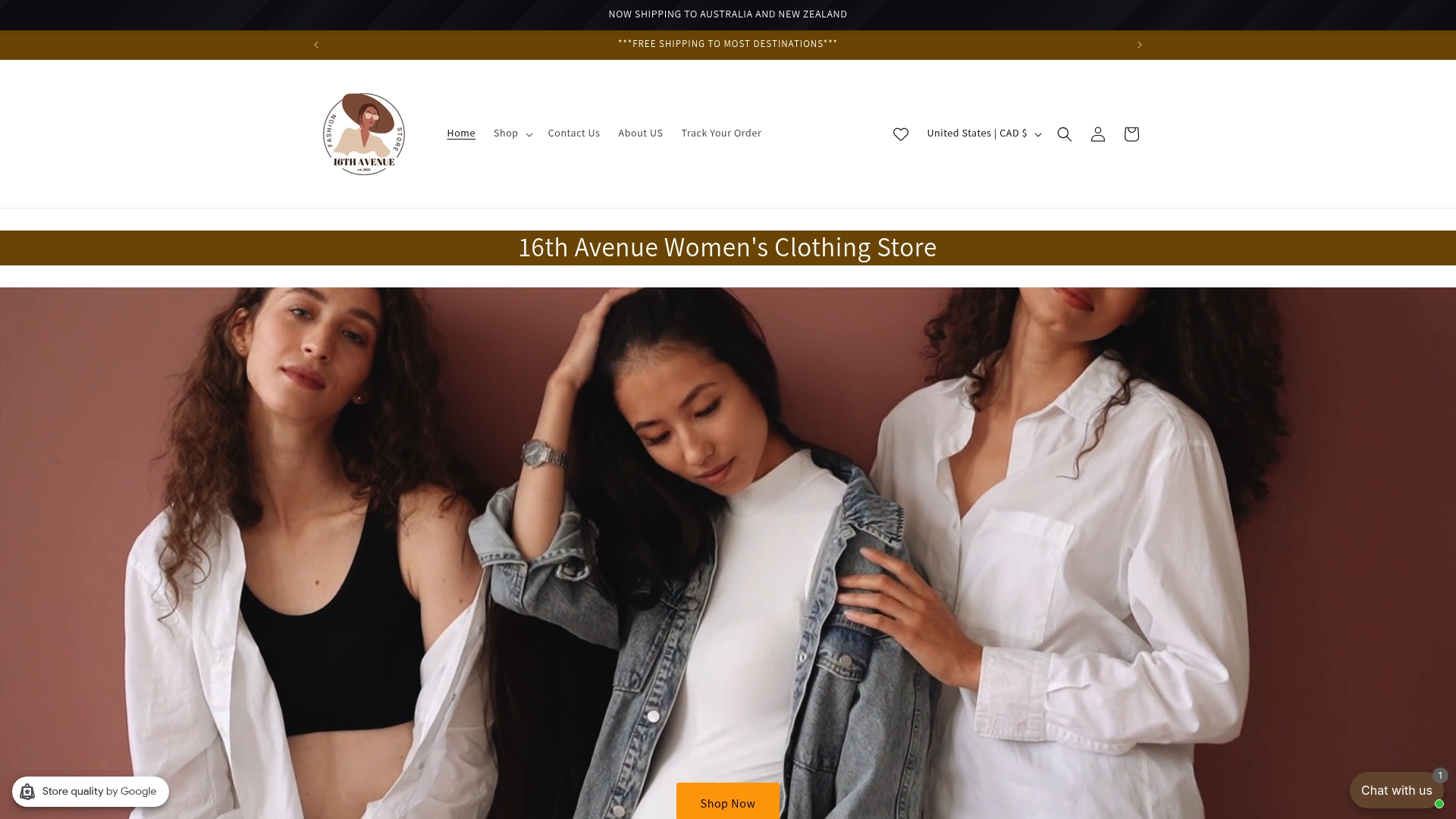
The women’s woolen coat collection is a strong example of what online variety looks like in practice. Styles, colours, and fits that would fill an entire floor of a physical store are available in one place, with detailed product pages, sizing guides, and customer reviews to help you choose confidently. 16thavenue also offers free shipping to most destinations, which removes the landed cost concern that makes smaller orders less worthwhile elsewhere. If you want to see why shopping online for fashion makes sense in 2026, the collection is a practical starting point.
FAQ
What is the biggest advantage of online shopping?
Convenience is the most cited advantage. Online shopping gives you 24/7 access to products from any location, removing the need to travel, queue, or work around store hours.
Does online shopping actually save money?
A 2026 Australian report found households could save an average of $1,414 annually through online retail. Savings depend on factoring in total landed cost, including shipping and taxes, not just the listed product price.
How do I know if an online retailer is trustworthy?
Check for HTTPS in the URL, a clear returns policy, and verified customer reviews. Consumer trust research confirms these signals are the most reliable indicators of a legitimate retailer.
When is in-store shopping better than online?
In-store shopping is better for urgent purchases, high-value items requiring tactile evaluation, or products where fit must be confirmed before buying. For most other categories, online shopping offers better selection and pricing.
Is online shopping better for fashion specifically?
Online shopping is particularly strong for fashion because it offers extended sizing, broader colour options, and access to global collections. Detailed product pages and customer reviews replace the need for in-person browsing in most cases.