


Examples of cruelty-free brands: your 2026 guide
TL;DR:
- Cruelty-free brands do not test on animals at any stage of production and are certified by third-party organizations. Many reputable brands, including Aesop and Pai, are both cruelty-free and B Corp certified, ensuring broader sustainability standards. Consumers should verify certifications and ingredient lists to make ethical purchases confidently.
Cruelty-free brands are beauty companies that guarantee no animal testing at any stage of product development, from raw ingredients to finished goods. The term “cruelty-free” is widely used in the industry, though the recognised standard is verified non-animal testing, confirmed by third-party bodies such as Leaping Bunny, PETA, and B Corp. Examples of cruelty-free brands range from budget drugstore lines to luxury certified companies, and ethical beauty products are now a mainstream expectation rather than a niche preference. Understanding which brands genuinely meet these standards helps you spend your money where your values are.
What are the key criteria that define a cruelty-free brand?
A brand is cruelty-free when no animal testing occurs at any point in its supply chain. That includes testing by the brand itself, by its ingredient suppliers, and by any third party acting on its behalf.
The most trusted way to confirm a brand’s status is third-party certification. Certifications like Leaping Bunny and PETA logos are the clearest indicators consumers can rely on when shopping. B Corp certification goes further, verifying high social and environmental standards across the entire business, not just its testing practices.
Cruelty-free and vegan are related but not identical terms. A cruelty-free brand does not test on animals, but its products may still contain animal-derived ingredients like beeswax or lanolin. A vegan product contains no animal ingredients at all. Many shoppers seek brands that are both.
Transparency is the third pillar. Brands that publish their ingredient sourcing, manufacturing partners, and certification audit results are far easier to trust than those relying on self-declared claims alone.
- No animal testing at any stage, including by ingredient suppliers
- Third-party certification from Leaping Bunny, PETA, or B Corp
- Vegan formulations where products contain no animal-derived ingredients
- Transparent sourcing with published supplier and ingredient information
- No sales in markets that legally require animal testing
Pro Tip: Check whether a brand’s parent company is also cruelty-free. A product line may carry a cruelty-free logo while its parent corporation funds animal testing elsewhere.
10 examples of cruelty-free brands worth knowing
The cruelty-free beauty space covers every category, price point, and skin concern. These ten brands represent the strongest examples of certified, transparent, and ethically produced beauty.
1. Aesop
Aesop holds B Corp certification as a fully vegan and cruelty-free brand, verified as of Q1 2026. That certification means the company meets rigorous social and environmental performance standards across its entire operation. Aesop specialises in plant-based skincare, haircare, and body products with a minimalist aesthetic and a strong commitment to ingredient transparency.
2. Pai Skincare
Pai is another B Corp certified cruelty-free and vegan brand, recognised in 2026 for its high ethical standards. Pai focuses on sensitive skin formulations, using organic and naturally derived ingredients. Its products are free from synthetic fragrances and common irritants, making it a strong choice for shoppers with reactive skin.
3. Lush
Lush products are clearly labelled for vegan options and the brand is known for handmade ethical skincare with strong opposition to animal testing. Lush goes beyond certification by actively campaigning against animal testing legislation worldwide. Its product range includes bath bombs, solid shampoo bars, and fresh face masks, all made with traceable ingredients.
4. The Ordinary
The Ordinary offers science-backed cruelty-free skincare at accessible prices, making it one of the most popular cruelty-free brands globally. Its minimalist approach strips away marketing language and focuses on single-ingredient or low-formula products like niacinamide, retinol, and hyaluronic acid. The brand publishes full ingredient lists and usage guides, setting a high bar for transparency.
5. Fenty Skin
Fenty Skin’s product range is vegan and cruelty-free with key actives including niacinamide and vitamin C. The line was built around inclusive skincare, designed to work across a wide range of skin tones and types. Its simple three-step routine makes it accessible for shoppers new to cruelty-free skincare.
6. Sukin
Sukin is an Australian cruelty-free skincare brand with a strong following in Canada. It carries a certified cruelty-free status and focuses on natural, plant-derived ingredients at budget-friendly price points. Sukin’s range covers cleansers, moisturisers, serums, and hair products, making it a practical everyday option.
7. e.l.f. Cosmetics
e.l.f. Cosmetics is one of the best cruelty-free cosmetics brands for makeup at low price points. The brand is certified cruelty-free and has committed to 100% vegan formulations across its entire line. It covers everything from foundation and concealer to brushes and setting sprays.
8. Pacifica Beauty
Pacifica Beauty is a fully vegan and cruelty-free brand covering skincare, makeup, and fragrance. It holds PETA certification and uses plant-based and mineral ingredients throughout its catalogue. Pacifica is particularly well regarded for its perfumes, which are free from synthetic musks and animal-derived fixatives.
9. RMS Beauty
RMS Beauty is a certified cruelty-free makeup brand built around raw, food-grade, and organic ingredients. Its “Un” Cover-Up concealer and Living Luminizer are cult products among shoppers who want clean, cruelty-free makeup examples that perform at a luxury level. The brand avoids synthetic chemicals and uses glass packaging to reduce plastic waste.
10. Weleda
Weleda is a certified cruelty-free and biodynamic beauty brand with a long history in natural skincare. Its Skin Food and Arnica Body Oil are among the most recognised products in the natural beauty space. Weleda holds organic certification and sources ingredients through fair-trade partnerships.
Pro Tip: Cross-reference any brand you are considering against the Leaping Bunny database at leapingbunny.org. The database is updated regularly and lists every certified brand by product category.
How to identify cruelty-free brands when shopping
Identifying genuine cruelty-free brands requires more than reading the front of a label. Many brands use language like “not tested on animals” without holding any third-party certification, which leaves room for ambiguity.
Follow these steps to verify a brand’s cruelty-free status before you buy.
- Look for official logos. The Leaping Bunny logo and PETA’s “Beauty Without Bunnies” logo are the two most recognised cruelty-free certifications. B Corp certification indicates broader ethical standards.
- Search verified databases. The Leaping Bunny website and PETA’s online database both maintain searchable lists of certified brands. These are updated regularly and are more reliable than brand self-declarations.
- Check the parent company. Many big companies may have cruelty-free product lines while their parent corporations do not share the same standards. Verify the entire company’s practices, not just the individual product line.
- Read the ingredient list. Cruelty-free does not always mean vegan. If avoiding animal-derived ingredients matters to you, check for items like carmine, lanolin, and beeswax.
- Use shopping guides. Resources like the Logical Harmony cruelty-free brand list and Cruelty-Free Kitty offer regularly updated guides for ethical beauty shopping.
Greenwashing is a real risk in the cruelty-free space. Brands sometimes use vague language or outdated certifications to appear more ethical than they are. Sticking to verified databases removes most of that uncertainty.
Best cruelty-free brands by need and budget
Cruelty-free brands range broadly in pricing and product focus, catering to diverse budgets and preferences. Choosing the right one depends on your skin type, the product category you need, and how much you want to spend.
| Need | Best fit | Why it works |
|---|---|---|
| Budget skincare | The Ordinary, Sukin | Science-backed or natural formulas at low price points |
| Budget makeup | e.l.f. Cosmetics | Fully vegan, PETA certified, wide product range |
| Sensitive skin | Pai Skincare | Organic, fragrance-free, B Corp certified |
| Luxury skincare | Aesop, RMS Beauty | Premium ingredients, B Corp or clean certification |
| Everyday body care | Lush, Weleda | Handmade or biodynamic, widely available |
| Inclusive skincare | Fenty Skin | Designed for all skin tones, vegan and cruelty-free |
| Fragrance | Pacifica Beauty | Fully vegan, PETA certified, plant-based scents |
Third-party verifications like B Corp certification help consumers identify trustworthy ethical brands across all price points. A higher price does not automatically mean a higher ethical standard. The Ordinary proves that affordable and certified cruelty-free can coexist without compromise.
For shoppers new to cruelty-free beauty, starting with one certified brand in your most-used product category is the most practical approach. Build from there as you learn which certifications and formulations work best for your skin. You can also find helpful guidance on shopping beauty online to make the process easier.
Key takeaways
Certified cruelty-free brands, verified by Leaping Bunny, PETA, or B Corp, are the most reliable choice for shoppers who want to avoid animal testing at every stage of production.
| Point | Details |
|---|---|
| Certification matters most | Leaping Bunny and PETA logos confirm no animal testing across the full supply chain. |
| Cruelty-free is not always vegan | Check ingredient lists separately if avoiding animal-derived ingredients is a priority. |
| Parent company risk is real | A cruelty-free product line may belong to a parent company that still tests on animals. |
| Budget options exist | Brands like The Ordinary and e.l.f. Cosmetics prove cruelty-free does not mean expensive. |
| B Corp raises the bar | B Corp certification covers social and environmental standards beyond animal testing alone. |
Why I think the cruelty-free label still needs your scepticism
The growth of certified cruelty-free beauty in 2026 is genuinely encouraging. Brands like Aesop and Pai earning B Corp status signals that ethical standards are moving from marketing language into measurable accountability. That shift matters.
What I have noticed, though, is that the label “cruelty-free” still carries more weight in consumer perception than it always deserves. A brand can be certified cruelty-free and still use unsustainable palm oil, exploit underpaid workers in its supply chain, or sell in markets with poor environmental regulations. Certification covers animal testing. It does not cover everything.
My honest advice is to treat cruelty-free certification as a minimum standard, not a finish line. Use the Leaping Bunny database to confirm status, then look at the brand’s broader practices. B Corp certification is the strongest signal currently available because it audits the whole business. If a brand you love is not yet B Corp certified, check whether it publishes a sustainability report or a supplier code of conduct.
Ethical beauty is a direction, not a destination. The brands doing it best are the ones that keep raising their own standards rather than resting on a logo.
— Glenville
16thavenue and the ethical style you are looking for
Ethical choices do not stop at your skincare shelf. At 16thavenue, the same values that guide cruelty-free beauty shoppers show up in fashion choices too. The women’s woolen coat collection offers fashion-forward outerwear for shoppers who want style without compromise, while the comfort sport sneakers line brings cruelty-free footwear into everyday wear.
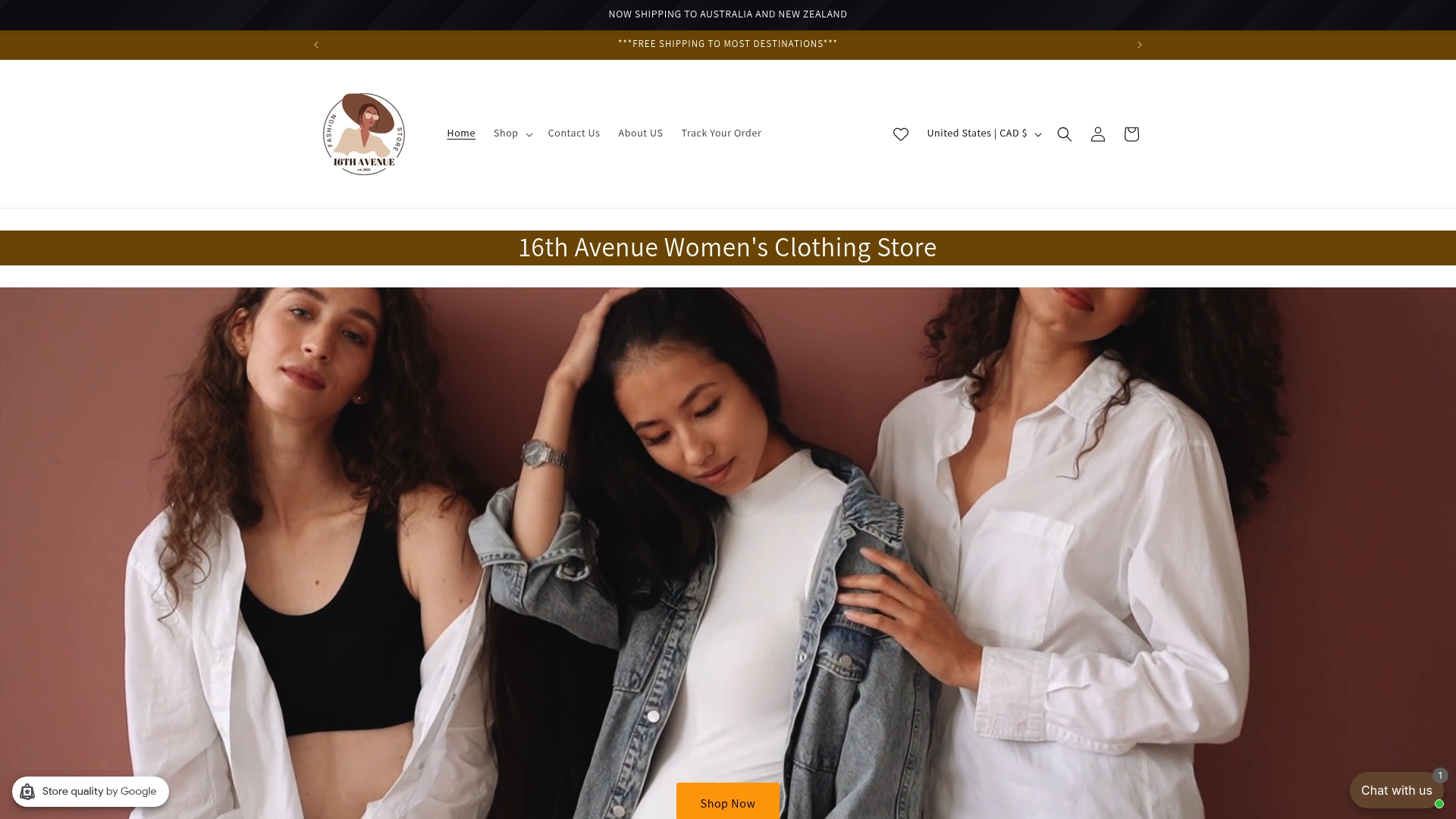
16thavenue curates women’s fashion and beauty with a focus on quality, accessibility, and free shipping to most destinations. Whether you are building a cruelty-free beauty routine or refreshing your wardrobe with ethically minded pieces, 16thavenue brings both together in one place. Explore the full collection at 16thavenue.ca.
FAQ
What makes a brand officially cruelty-free?
A brand is officially cruelty-free when it holds third-party certification from a recognised body such as Leaping Bunny or PETA, confirming no animal testing at any stage of production or supply.
Are all cruelty-free brands also vegan?
No. Cruelty-free means no animal testing, but products may still contain animal-derived ingredients like beeswax or lanolin. Check the ingredient list separately if vegan formulations are a priority.
How do I verify a cruelty-free brand before buying?
Search the brand on the Leaping Bunny database or PETA’s Beauty Without Bunnies list. Both are updated regularly and are more reliable than self-declared claims on product packaging.
Can a cruelty-free brand be owned by a non-cruelty-free company?
Yes. Many big companies have cruelty-free product lines while their parent corporations do not share the same standards. Always verify the parent company’s practices as well.
What is the difference between cruelty-free and B Corp certified?
Cruelty-free certification covers animal testing practices only. B Corp certification audits a company’s full social and environmental performance, making it a broader and more demanding standard.