

Fashion Merchandising: Transforming Your Shopping Experience
Scrolling through endless options can make finding your next statement piece feel more stressful than stylish. In a fast-paced market full of choices, fashion merchandising is the secret behind a seamless, inspiring shopping experience for trendsetters everywhere. By blending creative vision with smart business moves, fashion merchandising carefully curates digital collections and visual displays so that every browse feels effortless, satisfying, and always on trend.
Table of Contents
- Defining Fashion Merchandising and Its Purpose
- Variations in Fashion Merchandising Roles
- How Merchandising Drives Retail Success
- Process Stages in Merchandising for Retail
- Consumer Impact: Enhancing the Shopping Journey
Key Takeaways
| Point | Details |
|---|---|
| Fashion Merchandising Blends Creativity and Strategy | It transforms design collections into consumer-ready products through market research and trend analysis. |
| Diverse Roles in Merchandising Require Interdisciplinary Skills | Professionals must possess creativity, data analysis, and strategic thinking to thrive in a digital landscape. |
| Merchandising Enhances Retail Success | Successful merchandising creates engaging shopping experiences that foster consumer loyalty and drive sales. |
| Stages of Retail Merchandising are Integral | Each stage must be strategically managed to align products with consumer needs and optimise efficiency. |
Defining Fashion Merchandising and Its Purpose
Fashion merchandising represents a sophisticated blend of creativity and strategic business practices that transform how consumers experience style and retail. At its core, fashion merchandising is a dynamic discipline that bridges the gap between designer collections and consumer wardrobes by carefully orchestrating product selection, presentation, and marketing.
The fundamental purpose of fashion merchandising extends far beyond simple product placement. It involves strategic market research and trend analysis to understand and anticipate consumer preferences. Fashion merchandisers act as critical interpreters who translate runway innovations into wearable, desirable products that resonate with target audiences.
Key responsibilities of fashion merchandising include:
- Conducting comprehensive market research
- Analyzing emerging fashion trends
- Developing strategic pricing models
- Creating visually compelling product displays
- Managing inventory across digital and physical retail channels
- Designing marketing communication strategies
Successful fashion merchandising requires a nuanced understanding of consumer psychology, retail dynamics, and aesthetic sensibilities. Trend forecasting plays a pivotal role, enabling brands to predict and respond to shifting style preferences before they become mainstream.
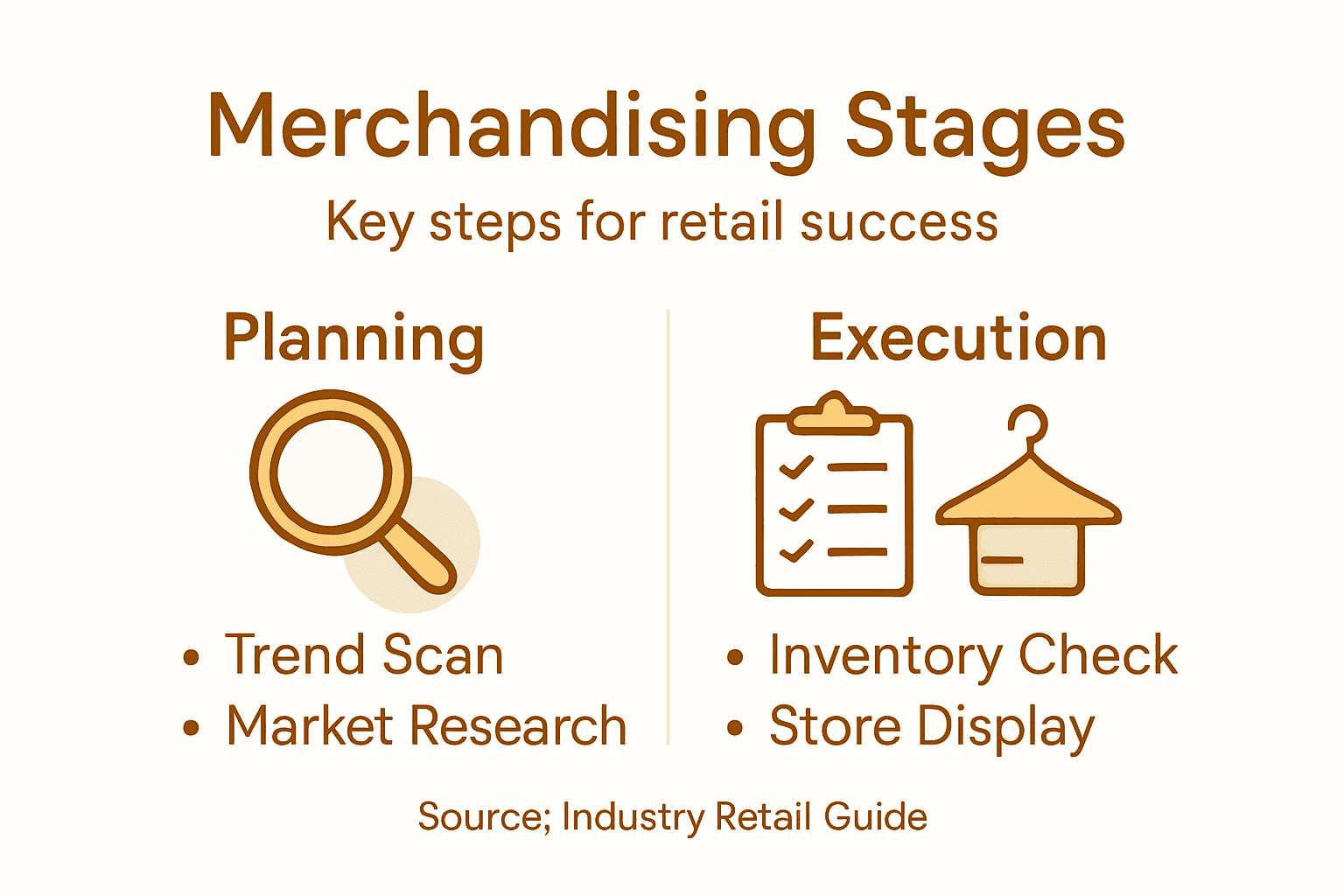
Pro tip: Aspiring fashion merchandisers should develop a keen eye for emerging trends while cultivating strong analytical and communication skills.
Variations in Fashion Merchandising Roles
The fashion merchandising landscape encompasses a diverse array of professional roles that have dramatically transformed with technological advancements and shifting market dynamics. Complex professional roles now require interdisciplinary skills that blend creativity, data analysis, and strategic thinking.
Fashion merchandising professionals typically occupy several key positions, each with unique responsibilities:
- Product Buyers: Responsible for identifying and selecting fashion items for retail
- Visual Merchandisers: Creating compelling product displays and store layouts
- Trend Forecasters: Analyzing and predicting upcoming fashion trends
- Inventory Managers: Tracking stock levels and managing supply chain logistics
- Marketing Specialists: Developing strategic communication and promotional campaigns
- Digital Merchandisers: Managing online retail experiences and digital product presentations
The contemporary fashion merchandising professional must navigate an increasingly complex landscape that demands technological proficiency, cultural awareness, and strategic insight. Digital transformation has fundamentally reshaped traditional roles, requiring merchandisers to develop sophisticated data analysis skills and understand emerging consumer behaviour patterns.
Each role within fashion merchandising contributes uniquely to the overall retail ecosystem, working collaboratively to ensure that fashion products successfully transition from conceptual design to consumer markets. These professionals act as critical interpreters between designers, manufacturers, and end consumers.
To highlight the distinct contributions of various merchandising roles, see the comparison below:
| Role | Core Focus | Typical Impact |
|---|---|---|
| Product Buyer | Curates collections for stores | Drives selection aligned with consumer trends |
| Visual Merchandiser | Crafts engaging displays | Enhances store appeal and brand identity |
| Trend Forecaster | Predicts style shifts | Guides product development and marketing |
| Inventory Manager | Oversees stock levels | Reduces excess inventory, boosts efficiency |
| Marketing Specialist | Designs campaign strategies | Increases awareness, promotes brand loyalty |
| Digital Merchandiser | Creates online shopping experiences | Improves web sales and digital engagement |
Pro tip: Build a versatile skill set by learning data analytics, trend prediction, and digital marketing tools to remain competitive in the evolving fashion merchandising landscape.
How Merchandising Drives Retail Success
Merchandising is the strategic engine that propels retail success, transforming shopping from a transactional experience into an engaging journey. Visual merchandising techniques significantly influence consumer purchasing decisions, creating immersive environments that stimulate buying behaviour and enhance brand connection.
Key strategies that drive retail success through merchandising include:
- Optimizing product placement and visual displays
- Creating narrative-driven store layouts
- Implementing strategic lighting techniques
- Developing intuitive product groupings
- Designing emotional connection points with merchandise
- Utilizing data-driven inventory management
Business analytics have revolutionized merchandising approaches, enabling retailers to make precise, strategic decisions. By leveraging sophisticated data analysis, businesses can now predict consumer trends, optimize pricing strategies, and create more personalized shopping experiences that directly translate to increased sales and customer loyalty.
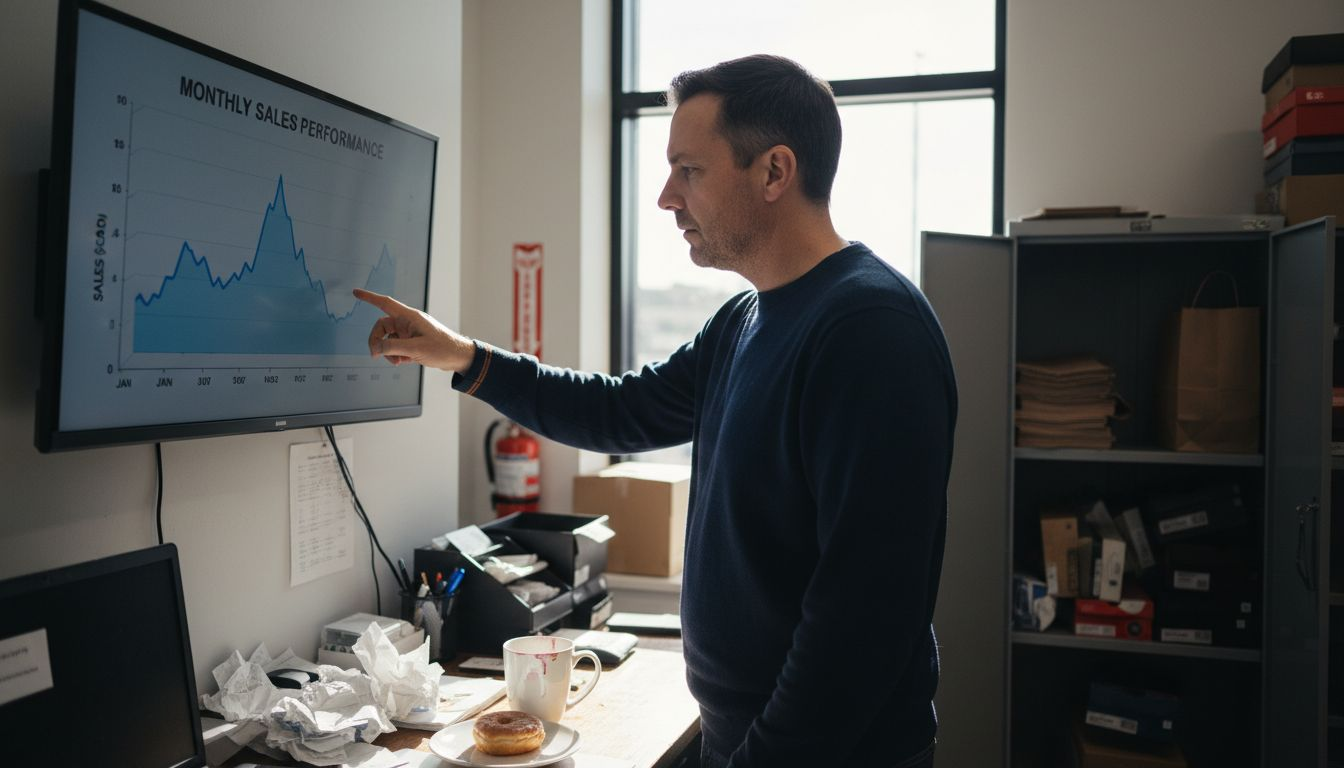
The most successful retailers understand that merchandising is not just about displaying products, but about crafting compelling narratives that resonate with consumers’ desires and aspirations. This approach transforms shopping from a mere transaction into an emotional experience that builds long-term brand engagement and drives sustainable retail success.
Pro tip: Develop a holistic understanding of consumer psychology and data analytics to create merchandising strategies that truly connect with your target audience.
Process Stages in Merchandising for Retail
Retail merchandising is a sophisticated, multi-stage process that transforms raw product potential into strategic market success. Comprehensive merchandising stages guide retail strategy through a carefully orchestrated sequence of strategic decision-making and consumer-focused planning.
The fundamental stages of retail merchandising include:
- Market Research and Consumer Insight Gathering
- Product Sourcing and Supplier Selection
- Assortment Planning and Product Mix Development
- Inventory Forecasting and Quantity Allocation
- Pricing Strategy Development
- Product Distribution and Placement
- Performance Monitoring and Analysis
- Continuous Strategic Adjustment
Inventory management represents a critical component of these stages, requiring retailers to balance multiple complex variables simultaneously. Sophisticated analytics now enable businesses to predict demand patterns, optimize stock levels, and create dynamic pricing strategies that respond in real-time to market fluctuations.
Successful merchandising demands a holistic approach that integrates data-driven insights with creative product presentation. By understanding each stage’s nuanced role, retailers can develop compelling strategies that not only meet but anticipate consumer needs, transforming traditional retail approaches into adaptive, responsive systems.
Here’s a summary of how merchandising influences every stage of the retail process:
| Stage | Key Objective | Retail Outcome |
|---|---|---|
| Market Research | Identify consumer needs | Aligns product with demand |
| Product Sourcing | Find best suppliers | Ensures quality and variety |
| Assortment Planning | Develop product mix | Maximizes appeal and choice |
| Inventory Forecasting | Allocate stock efficiently | Minimizes risk, optimizes sales |
| Pricing Strategy | Set competitive prices | Balances profitability and value |
| Product Placement | Strategically display items | Boosts visibility and sales |
| Performance Analysis | Monitor results | Drives continuous improvement |
| Strategic Adjustment | Refine tactics | Maintains market relevance |
Pro tip: Develop a systematic approach to tracking performance metrics across each merchandising stage to continuously refine and improve your retail strategy.
Consumer Impact: Enhancing the Shopping Journey
Modern fashion merchandising has transformed the shopping experience from a simple transactional interaction to an immersive, emotionally engaging journey. Visual merchandising techniques profoundly influence consumer purchasing decisions, creating compelling environments that stimulate both rational and emotional buying responses.
Key elements that enhance consumer shopping experiences include:
- Creating intuitive and inspiring store layouts
- Developing visually appealing product displays
- Implementing strategic lighting and spatial design
- Crafting narrative-driven product presentations
- Personalizing customer interaction points
- Offering seamless omnichannel experiences
Consumer psychology plays a critical role in understanding how visual and spatial elements impact shopping behaviour. Strategic merchandising goes beyond aesthetic appeal, carefully orchestrating environments that trigger positive emotional responses, encourage exploration, and ultimately drive purchasing decisions.
The most successful retailers recognize that enhancing consumer willingness to purchase involves creating holistic experiences that connect with customers on multiple sensory and emotional levels. By transforming shopping from a functional task into an engaging, personalized journey, brands can build deeper connections and long-term customer loyalty.
Pro tip: Focus on creating multi-sensory shopping experiences that tell a compelling story and engage customers beyond traditional product display techniques.
Elevate Your Fashion Journey with Expert Merchandising and Curated Style
Understanding the art of fashion merchandising means recognising how the right product selection, strategic presentation, and trend forecasting reshape your shopping experience. If you are seeking affordable, stylish women’s apparel and beauty products that truly resonate with your personal style, 16th Avenue offers a thoughtfully curated collection designed to bring these merchandising principles to life.
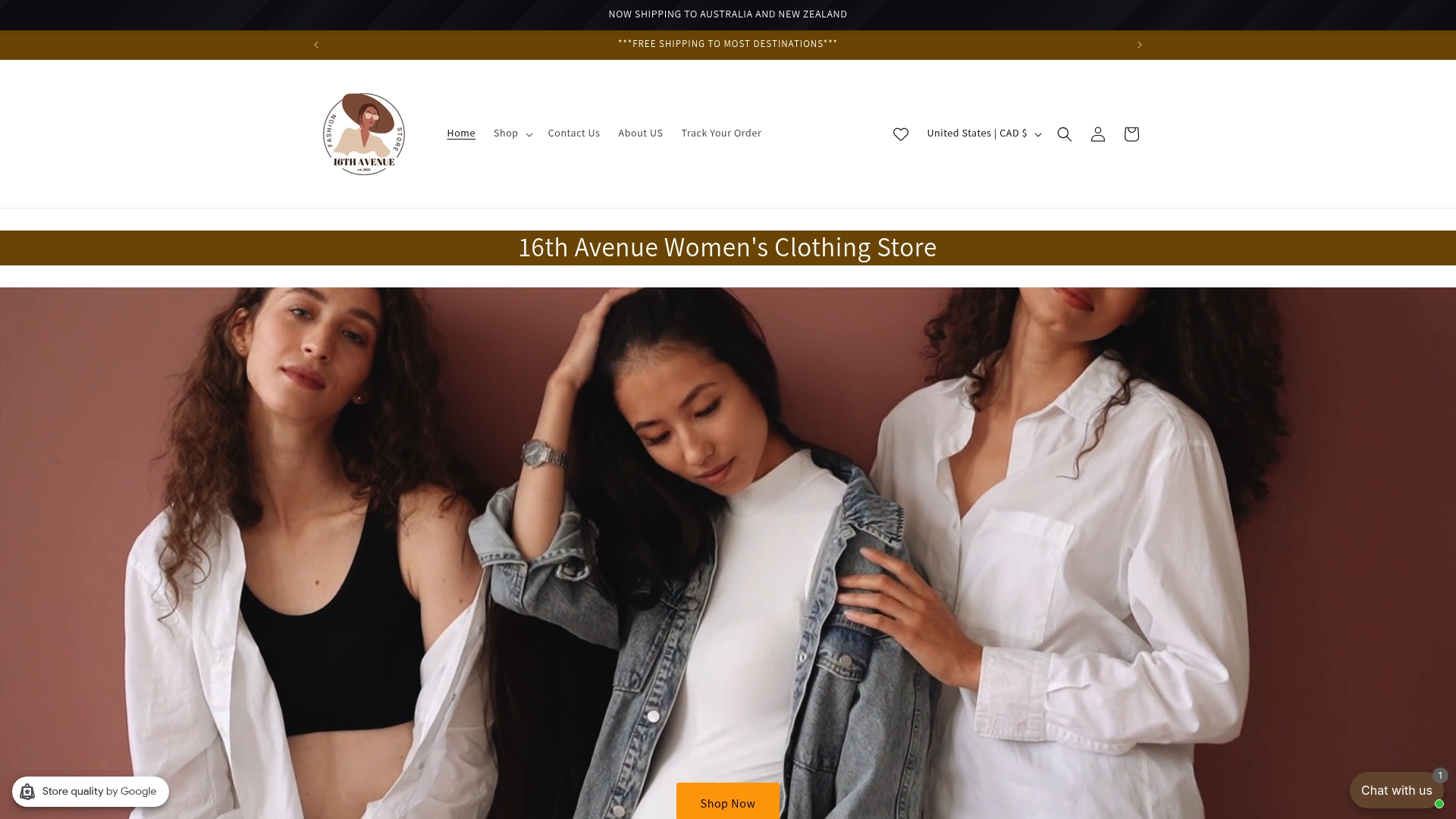
Discover seamless shopping that combines market insights with aesthetic appeal in categories ranging from seasonal collections to beauty essentials. Ready to transform your wardrobe with items selected through expert merchandising strategies? Visit 16th Avenue now and experience fashion designed to connect with your lifestyle and aspirations. Start your journey today by exploring our full collection and enjoy the benefits of strategic style choices made just for you.
Frequently Asked Questions
What is fashion merchandising?
Fashion merchandising is the practice of bridging the gap between designer collections and consumer wardrobes by carefully managing product selection, presentation, and marketing strategies to enhance the retail experience.
How does merchandising impact consumer shopping experiences?
Merchandising transforms shopping from a transactional interaction into an engaging journey by creating intuitive layouts, visually appealing displays, and immersive environments that resonate emotionally with consumers, thereby influencing their purchasing decisions.
What are the key responsibilities of a fashion merchandiser?
Key responsibilities include conducting market research, analyzing fashion trends, managing inventory, creating visually compelling product displays, and designing marketing strategies to effectively promote products in both digital and physical retail channels.
How does inventory management relate to fashion merchandising?
Inventory management is a critical component of fashion merchandising, focusing on balancing stock levels, forecasting demand, and optimizing pricing strategies to ensure products are available when consumers want them, ultimately driving sales and customer satisfaction.