

Fashion Shopping Workflow 2026: 25% Faster, 30% Fewer Returns
Shopping for fashion and beauty online shouldn’t feel overwhelming. Yet countless women waste hours scrolling endless product pages, second-guessing sizes, and dealing with frustrating returns. This guide reveals a streamlined 2026 workflow that integrates AI personalization, AR try-ons, and omnichannel strategies to cut your decision time by 25% and slash returns by 30%. You’ll shop smarter, faster, and with confidence.
Table of Contents
- Prerequisites: What You Need Before You Start Shopping
- Step 1: Leverage AI Personalization for Efficient Shopping
- Step 2: Incorporate AR Try-Ons to Boost Confidence and Reduce Returns
Key Takeaways
| Point | Details |
|---|---|
| AI personalization boosts efficiency | Increases conversions by 13% while saving 25% of shopping time through smart recommendations |
| AR try-ons reduce costly returns | Cuts return rates by up to 30% by letting you virtually test fit and appearance before buying |
| Combined fashion and beauty shopping adds value | Increases average order value by 15% through coordinated, efficient multi-category purchases |
| Sustainability drives modern loyalty | Over 60% of shoppers prioritize ethical brands when making purchase decisions in 2026 |
| Avoid common pitfalls for satisfaction | Ignoring reviews and sizing tools causes 30% dissatisfaction and unnecessary returns |
Prerequisites: What You Need Before You Start Shopping
Before diving into the optimized 2026 shopping workflow, you need the right foundation. Setting up properly saves frustration and maximizes the benefits of modern shopping tools.
Start with reliable technology. You need a smartphone or computer with stable internet access. Almost 66% of online fashion sales in 2026 occur via mobile devices, requiring workflows optimized for mobile-friendly experiences. Your device should handle AR applications smoothly and load product pages quickly.
Create accounts on trusted e-commerce platforms ahead of time. Save your style preferences, size information, and shipping addresses to streamline future purchases. This preparation eliminates repetitive data entry during checkout and enables platforms to learn your preferences for better recommendations.
Prepare your finances strategically:
- Set a realistic shopping budget based on your needs and financial situation
- Add multiple payment methods for flexibility and security
- Enable notifications for sales on your preferred brands
- Consider rewards programs that align with your frequent purchases
Stay informed about current trends. Understanding 2026 fashion trends helps you make intentional choices rather than impulsive ones. Follow a few trusted style influencers or fashion blogs to keep your finger on the pulse without information overload.
Familiarize yourself with AR and AI shopping tools before you need them. Download apps, test virtual try-on features, and explore chatbot assistants when you’re not under purchase pressure. This practice ensures you’ll use these tools effectively when making real decisions.
| Tool Type | Purpose | Time Investment |
|---|---|---|
| AI Chatbots | Real-time style advice | 5-10 minutes to learn |
| AR Try-Ons | Virtual fitting and testing | 15-20 minutes practice |
| Size Prediction | Accurate fit recommendations | 10 minutes for profile setup |
| Personalized Filters | Curated product discovery | 5 minutes to configure |
Step 1: Leverage AI Personalization for Efficient Shopping
AI transforms how you discover and select fashion items by cutting through the noise of endless options. Instead of manually filtering thousands of products, smart algorithms surface items that match your style, size, and budget.
Use AI chatbots for instant guidance. These assistants answer questions about styling, sizing, and product details in real time without waiting for customer service. They learn from your interactions and provide increasingly relevant suggestions as you shop.
AI-powered personalization increases fashion e-commerce conversion rates by 13% and average order values by 10%, optimizing user shopping workflows. This isn’t just about seeing more products. It’s about seeing the right products that align with your preferences and past behavior.
Customize your product filters based on individual style preferences. Modern platforms remember your favorite colors, preferred brands, price ranges, and style categories. These personalized filters eliminate irrelevant items from your browsing experience, dramatically reducing decision fatigue.
Leverage AI-driven sizing guides that analyze your measurements and past purchases. These tools predict your size across different brands, accounting for variations in fit and cut. This precision reduces the sizing guesswork that leads to returns.
Pro Tip: Spend five minutes updating your style profile each season. As your preferences evolve, keeping your AI preferences current ensures recommendations stay relevant and useful.
AI tools excel at discovering complementary items you might have missed. After selecting a dress, the system suggests matching accessories, shoes, or beauty products that complete the look. This increases your order value while actually improving your shopping outcome.
Personalized recommendations save approximately 25% of usual decision time. You spend less energy comparing options and more confidence knowing suggested items match your criteria. Gen Z and Millennials prioritize hyper-personalized shopping journeys requiring AI-powered experiences, making this technology essential rather than optional.
Integrate AI in fashion merchandising into your routine by engaging with recommendations rather than ignoring them. Rate items, save favorites, and provide feedback to train the system. The more you interact, the smarter your personalized experience becomes.
Step 2: Incorporate AR Try-Ons to Boost Confidence and Reduce Returns
Augmented reality bridges the gap between online browsing and in-store trying. Instead of hoping items look good on arrival, you verify fit and appearance before clicking purchase.
Use AR try-ons to virtually fit clothing and test beauty product shades. Point your camera at yourself and see how that dress drapes on your body or how that lipstick shade complements your skin tone. This visual confirmation eliminates much of the uncertainty inherent in online shopping.
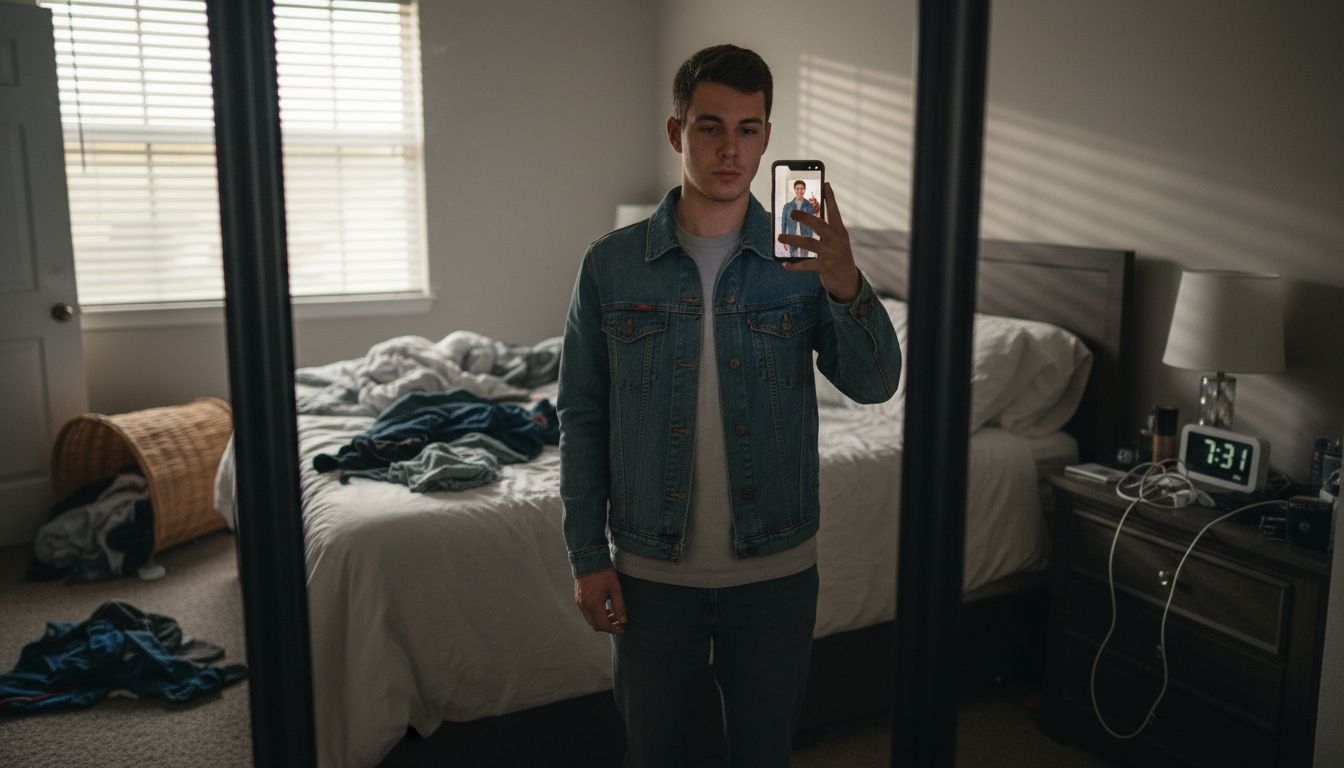
Allocate dedicated time within your shopping routine for AR testing. Don’t treat it as optional or skip it when rushed. The minutes spent virtually trying items prevent days of waiting for wrong items and weeks processing returns.
AR try-ons reduce return rates by up to 30%, improving fit confidence for fashion and beauty products. That statistic translates directly to money saved on return shipping, time saved processing exchanges, and frustration avoided from items that don’t work.
Follow this AR testing sequence:
- Review product photos and details first to narrow your selection
- Use AR try-on for your top three to five choices
- Test each item in different lighting conditions using your device
- Screenshot your favorites to compare side by side
- Check how items coordinate with pieces you already own
Combine AR insights with product reviews to make fully informed decisions. While AR shows you fit and appearance, reviews reveal quality, durability, and real-world performance. This combination addresses both visual and practical concerns.
Recommended
- What Is Fast Fashion – Impact on Style and Planet – 16th Avenue
- Fashion Trends Guide 2026: Upgrade Your Wardrobe Easily – 16th Avenue
- Fashion Merchandising: Transforming Your Shopping Experience – 16th Avenue
- Trends in Women’s Fashion 2026 – Impact on Everyday Style – 16th Avenue
- How to Style Men’s Designer Sweatshirts for Any Occasion – The Regimental Store Ltd
- Live Shopping – StudioShake