


How to incorporate cultural fashion into your wardrobe
TL;DR:
- Incorporating cultural fashion involves pairing heritage garments with modern basics to express identity respectfully. Start with one meaningful piece, source ethically, and wear it confidently to honor its significance. Blending traditional and contemporary styles requires simplicity, balance, and thorough understanding of the garment’s cultural roots.
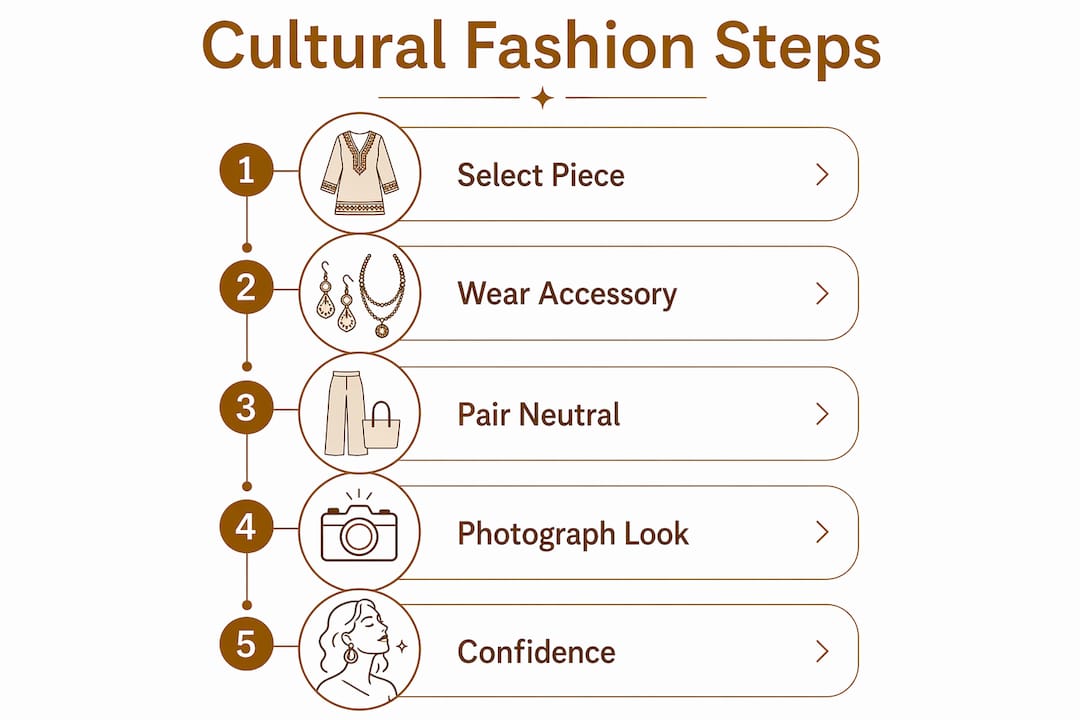
Incorporating cultural fashion is defined as the practice of pairing traditional heritage garments with modern wardrobe basics to express identity authentically and stylishly. This is not a trend. It is a deliberate, respectful approach to dressing that honours the stories woven into fabric, pattern, and craft. Whether you are drawn to embroidered blouses, printed wraps, or structured Tang jackets, knowing how to incorporate cultural fashion well means choosing pieces with intention, wearing them with confidence, and understanding what they represent. This guide gives you the practical framework to do exactly that.
What cultural pieces should you start with?
The best starting point is selecting one or two core heritage pieces that carry personal or cultural meaning. Trying to build an entire wardrobe around cultural fashion at once leads to outfits that feel costume-like rather than genuine. A single meaningful piece, worn well, says far more than a full ensemble assembled without context.
Focus on items that are wearable in your daily life. A hand-embroidered scarf, a beaded necklace, a printed wrap skirt, or a structured jacket with traditional closures all translate easily into everyday outfits. The 80/20 styling approach recommends that 80–90% of your outfit consist of neutral modern basics, with your cultural piece as the focal point. This ratio keeps your look balanced and lets the heritage item speak clearly.
Quality matters more than quantity here. Authentic, well-made pieces from skilled artisans hold their shape, colour, and meaning over time. A cheaply produced imitation of a traditional garment carries none of the cultural weight of the original.
When selecting pieces, ask yourself:
- Does this item connect to a culture I belong to or have a genuine relationship with?
- Is it made by artisans from that culture, or at minimum, sourced respectfully?
- Can I wear it comfortably in my daily routine without modifying it significantly?
- Do I understand what it represents, even at a basic level?
Pro Tip: Start with accessories before committing to full garments. A culturally significant piece of jewellery or a hand-woven scarf is a low-risk, high-impact way to begin incorporating heritage in fashion without feeling overwhelmed by styling decisions.
How do you blend traditional and modern clothing?
The core principle of mixing traditional styles with contemporary pieces is contrast through simplicity. A bold cultural garment needs a quiet backdrop to shine. Pairing a richly embroidered blouse with straight-leg denim, or a printed wrap skirt with a fitted white tee, creates visual balance without erasing the cultural element.
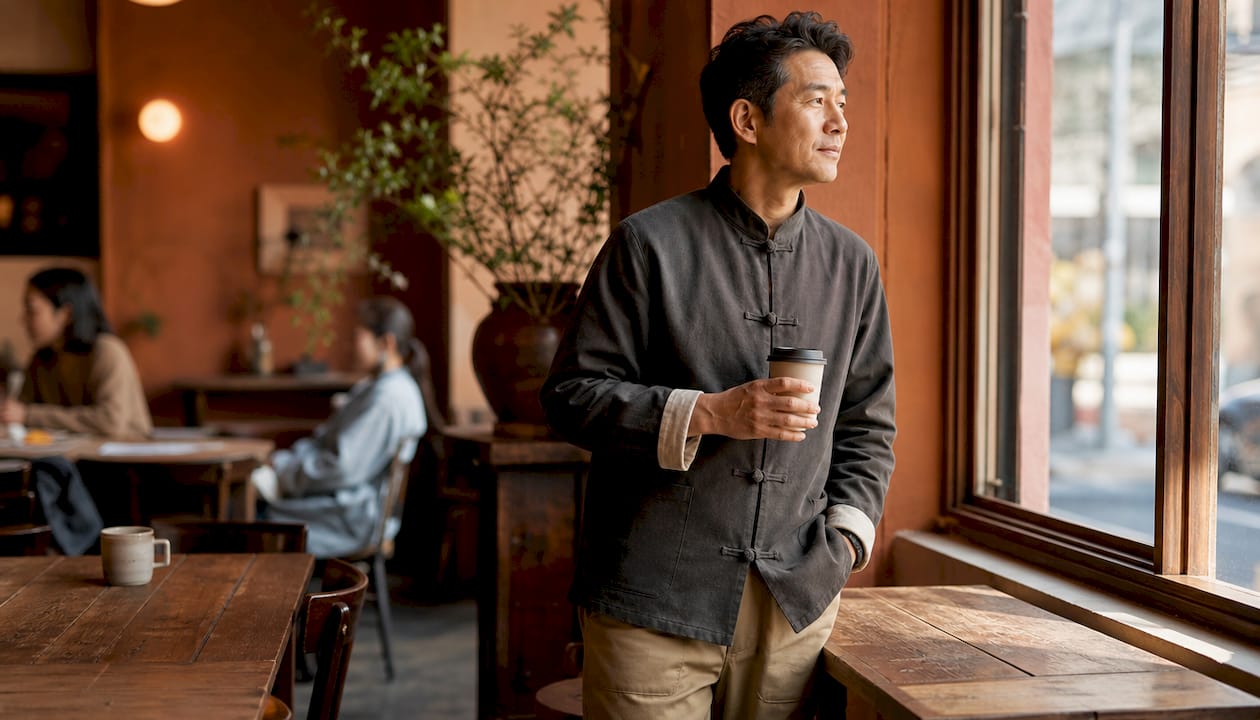
Frog closures on Tang jackets paired with loose denim are a strong example of this principle in action. The structured jacket carries cultural identity, while the relaxed denim grounds it in everyday modern life. Neither element overwhelms the other.
Colour and pattern require the same intentional approach. If your cultural piece features strong pattern or colour, keep the rest of your outfit in neutrals: white, cream, black, navy, or camel. If your heritage item is more subdued in tone, you have more room to play with texture and silhouette in your modern basics.
Common styling combinations that work well:
- Embroidered blouse + tailored trousers + simple leather sandals
- Printed wrap skirt + fitted blazer + white sneakers
- Beaded necklace + monochrome dress + block-heeled boots
- Kente-print scarf + camel coat + dark denim
One common pitfall is over-styling cultural attire. Adding too many traditional elements at once dilutes the story each piece tells. A neutral base anchors cultural pieces as focal points rather than turning an outfit into a costume.
| Outfit element | Recommended approach |
|---|---|
| Cultural garment | One statement piece per outfit |
| Base clothing | Neutral modern basics (denim, white tee, blazer) |
| Accessories | Minimal; let the cultural piece lead |
| Footwear | Clean, simple styles that do not compete |
| Colour palette | Neutrals to complement, not compete |
Pro Tip: When blending fashion cultures, photograph your outfit before going out. Seeing yourself in a photo gives you an objective view of whether the cultural piece reads as a focal point or gets lost in the overall look.
How do you respectfully incorporate cultural fashion?
Respectful research is the critical first step that separates cultural appreciation from appropriation. Wearing a garment without understanding its significance risks reducing something sacred or historically weighted to a mere aesthetic choice. That is the line between appreciation and appropriation.
The following steps create a foundation for respectful cultural fashion integration:
- Research the garment’s origin and meaning. Learn which community created it, what occasions it is traditionally worn for, and whether it carries religious or ceremonial significance.
- Consult cultural insiders or artisans. Buying directly from makers within the culture, or asking questions before purchasing, gives you context that no label can provide.
- Distinguish between open and closed cultural elements. Some garments are shared freely by their communities; others are reserved for specific roles, ceremonies, or groups. Knowing the difference is non-negotiable.
- Wear the piece in appropriate contexts. A ceremonial garment worn to a casual party misrepresents its significance. Match the occasion to the garment’s cultural weight.
- Give credit openly. When someone asks about your outfit, name the culture and the artisan. That act alone shifts the dynamic from appropriation to advocacy.
Consultation or collaboration with culture holders is the industry standard to ensure appropriate, respectful design and use of cultural fashion in contemporary contexts. Wearing authentically requires poise and minimal modification to preserve the cultural weight of a garment.
The VEU culture section offers a useful lens on how cultural identity and fashion intersect across communities, which can deepen your understanding before you make purchasing decisions.
Where do you source authentic cultural garments ethically?
Ethical sourcing is the foundation of respectful cultural fashion. Mass-produced versions of traditional garments, sold without connection to the originating community, strip the item of its meaning and redirect economic benefit away from the artisans who created the tradition.
The most direct way to source authentically is to buy from artisans within the culture itself. This supports fair trade and sustainable practices and keeps craft traditions alive. Online marketplaces that connect buyers directly with traditional craftspeople have made this more accessible than ever.
Strong sourcing options include:
- Artisan cooperatives and craft markets in the country of origin
- Fair trade certified retailers who work directly with cultural communities
- Cultural festivals and diaspora community events in your own city
- Independent designers from within the culture who blend heritage with contemporary design
Avoid purchasing from large fast-fashion retailers selling “ethnic-inspired” pieces with no named origin, artisan credit, or fair compensation model. These items are cultural fashion inspiration stripped of its context and its community.
| Sourcing type | What to look for |
|---|---|
| Artisan direct | Named maker, community origin, handmade process |
| Fair trade retailer | Certification, transparent supply chain, artisan profiles |
| Cultural designer | Designer from within the culture, heritage-informed work |
| Festival or market | Community-run, proceeds support local artisans |
Ghana’s Fugu Day initiative is a strong example of community-led cultural fashion in action. The programme encourages weekly wearing of traditional attire to promote culture and support creative economies. Participants report that traditional clothing is easy and comfortable for everyday wear, which challenges the assumption that heritage garments are impractical.
How do you style cultural fashion for different occasions?
Cultural garments adapt across occasions when you adjust the surrounding elements rather than the garment itself. A sari worn with a crop top and blazer reads as formal and contemporary. The same sari styled with flat sandals and a simple tote works for a weekend gathering. The garment does not change. The context does.
Sunita Dangol’s appearance at Cannes wearing traditional Newah attire is one of the clearest modern examples of this principle. She did not modify the garment to fit a Western red carpet standard. She wore it with confidence and minimal additional styling, and the result was both powerful and elegant. Modernity and cultural identity coexisted without compromise.
For professional settings, structured cultural pieces such as embroidered blazers, printed silk blouses, or tailored ethnic jackets translate well. Pair them with clean, simple trousers and understated footwear. The cultural element becomes a point of distinction rather than distraction.
For casual everyday wear, the wardrobe basics approach works perfectly. A cultural scarf tied around a simple outfit, or a beaded bracelet worn with jeans and a white shirt, brings cultural fashion inspiration into daily life without requiring a full outfit overhaul.
Pro Tip: Confidence is the most important styling element you bring to cultural fashion. A garment worn with poise and knowledge of its meaning always reads better than the same piece worn with uncertainty. Know your piece. Own it.
Key takeaways
Incorporating cultural fashion successfully requires selecting one meaningful heritage piece, grounding it in neutral modern basics, and wearing it with the knowledge and confidence it deserves.
| Point | Details |
|---|---|
| Start with one piece | Choose one meaningful heritage item and build a neutral outfit around it. |
| Use the 80/20 rule | Keep 80–90% of your outfit in modern basics so the cultural piece leads. |
| Research before wearing | Understand the garment’s origin and significance before styling it publicly. |
| Source from artisans | Buy directly from cultural makers or fair trade retailers to honour the tradition. |
| Confidence completes the look | Wear cultural garments with poise and minimal modification to preserve their meaning. |
Blending cultures in fashion: what I have learned
The conversation around cultural fashion tends to split into two camps: those who say wear whatever inspires you, and those who say stay in your lane. Neither position is fully right. What I have found, after years of paying attention to how people dress and why, is that the most compelling cultural fashion moments come from people who clearly know the story behind what they are wearing.
The Cannes moment with Sunita Dangol stuck with me precisely because nothing about it was apologetic or over-explained. She wore her heritage as a fact, not a statement. That is the standard worth aiming for. Not performance. Not costume. Just knowledge expressed through clothing.
The part most fashion guides skip is the discomfort of not knowing. Many people avoid cultural fashion entirely because they fear getting it wrong. That fear is reasonable, but the solution is research, not avoidance. Talk to people. Buy from makers. Read the history. The effort shows in how you carry the piece, and people notice.
What I would tell any fashion enthusiast starting this process: begin with something from your own heritage before reaching outward. There is almost always more richness there than you have explored. And if you are incorporating a culture that is not your own, let curiosity and respect lead, not aesthetics alone.
— Glenville
What to wear with your cultural pieces from 16thavenue
Cultural fashion works best when the modern basics surrounding it are well-made and versatile. 16thavenue carries pieces built exactly for that purpose.
The women’s woolen coat is a strong pairing for cultural garments in cooler months. Its clean silhouette and neutral tones let embroidered blouses, printed scarves, and heritage jewellery take centre stage without competition. For everyday looks, the comfort sport sneakers offer a grounded, modern base that works with wrap skirts, cultural trousers, and layered accessories. 16thavenue ships to most destinations with free shipping, making it easy to build the modern wardrobe foundation your cultural pieces deserve.
FAQ
What is the best way to start incorporating cultural fashion?
Select one or two meaningful heritage pieces and pair them with neutral modern basics. The 80/20 approach keeps your look balanced and lets the cultural item stand out clearly.
How do you avoid cultural appropriation in fashion?
Research the garment’s origin and significance before wearing it, and buy from artisans within the culture when possible. Consulting cultural insiders is the industry standard for respectful cultural fashion integration.
Can cultural garments work in professional settings?
Traditional garments like saris or embroidered jackets translate well to professional environments when paired with clean, simple modern pieces. Updating the styling rather than modifying the garment preserves its cultural integrity.
Where is the best place to buy authentic cultural clothing?
Buy directly from artisan cooperatives, fair trade certified retailers, or cultural designers from within the originating community. Avoid mass-produced “ethnic-inspired” items with no named artisan or transparent supply chain.
How many cultural pieces should you wear at once?
One statement cultural piece per outfit is the most effective approach. Layering multiple traditional elements at once risks diluting the story each piece tells and can make an outfit read as costume rather than considered style.