


Why invest in quality handbags for style and value
Most fashion enthusiasts believe luxury handbags only depreciate the moment you carry them out of the boutique. The reality is far more nuanced. Select quality handbags, particularly iconic models from heritage brands, have demonstrated remarkable value appreciation over decades, outperforming traditional investments whilst elevating your everyday style. Understanding which handbags merge lasting fashion appeal with financial savvy transforms how you build your wardrobe. This guide reveals the intersection of style, durability, and investment potential in quality handbags.
Table of Contents
- Key takeaways
- Understanding the value of quality handbags
- Investment potential: when handbags become assets
- How to choose quality handbags that hold value
- Balancing style, durability, and investment in your handbag collection
- Explore quality fashion accessories at 16th Avenue
- Why invest in quality handbags? faq
Key Takeaways
| Point | Details |
|---|---|
| Investment potential in handbags | Quality handbags can offer fashion appeal while carrying potential financial upside when carefully selected. |
| Birkin value surge | The Hermès Birkin has achieved about 14.2 percent annual value appreciation over 35 years, supported by controlled production and enduring design. |
| Most bags depreciate over time | The majority of luxury handbags depreciate, making careful model choice and timing essential. |
| Quality factors drive value | Quality factors include full grain leather or exotic skins, hand stitched construction, durable hardware, brand heritage and limited production that supports value. |
| Research model history and authenticity | Do research on a model’s production history and resale performance and verify authentication to protect against counterfeits. |
Understanding the value of quality handbags
Quality handbags represent far more than fashionable accessories. They embody a convergence of exceptional materials, meticulous craftsmanship, and brand heritage that distinguishes them from mass-produced alternatives. When evaluating what makes a handbag truly “quality,” you should examine the leather grade, stitching precision, hardware durability, and the brand’s historical commitment to excellence. These elements determine whether a handbag becomes a wardrobe staple or a fleeting purchase.
The role handbags play in fashion impact extends beyond carrying your essentials. A well-chosen handbag transforms simple outfits into polished ensembles, communicating attention to detail and personal style sophistication. Quality construction ensures the bag maintains its shape, colour, and functionality through years of regular use, providing genuine value per wear that cheaper alternatives cannot match.
Some quality handbags transcend fashion to become genuine financial assets. The most striking example is the Hermès Birkin, which has achieved 14.2% annual value appreciation over 35 years, surpassing both the S&P 500 and gold returns. This exceptional performance stems from strictly controlled production, waitlist exclusivity, and enduring design appeal that defies fashion cycles.
Durability benefits extend your wardrobe’s versatility significantly. Quality handbags withstand weather exposure, daily handling, and the inevitable bumps of real life without showing premature wear. Premium leather develops a desirable patina rather than looking shabby, whilst reinforced stitching prevents structural failure. This longevity means you can rely on the same bag for diverse occasions over many seasons, reducing the need for multiple replacements.
Key factors defining quality handbags include:
- Full-grain leather or exotic skins that age beautifully rather than deteriorate
- Hand-stitched construction with reinforced stress points for structural integrity
- Solid metal hardware with protective coatings preventing tarnish and corrosion
- Brand heritage demonstrating decades of craftsmanship excellence and design innovation
- Limited production runs creating scarcity that supports long-term value retention
Pro Tip: Before purchasing any investment-worthy handbag, research the specific model’s production history and resale performance. Brands occasionally discontinue models or change manufacturing processes, dramatically affecting future value. Verify authentication methods for your chosen brand to protect against counterfeits that plague the resale market.
Investment potential: when handbags become assets
The notion of handbags as financial investments requires careful examination of market realities. Whilst certain exceptional models appreciate in value, the vast majority of luxury handbags follow traditional depreciation patterns. Understanding this distinction prevents costly mistakes and helps you identify genuine opportunities within the accessory market.
Financial appreciation in handbags remains extraordinarily rare. Beyond the Hermès Birkin and Kelly, few models consistently gain value over time. Most luxury handbags, even from prestigious brands, lose 30 to 70% of their retail value upon resale. This depreciation occurs regardless of condition, reflecting oversupply in secondary markets and shifting fashion preferences that reduce demand for older styles.
Several factors determine whether a handbag holds or appreciates in value:
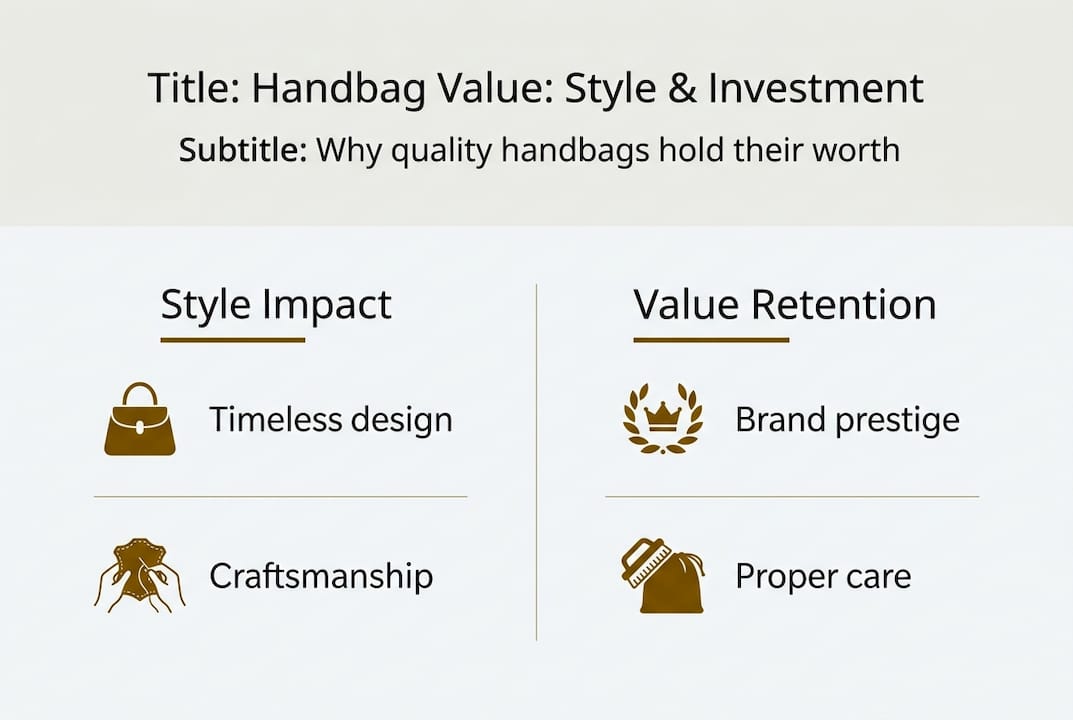
- Brand prestige and historical market performance in resale channels
- Model exclusivity, particularly limited editions or discontinued styles with cult followings
- Condition maintenance, including original packaging, authenticity cards, and dust bags
- Material rarity, such as exotic leathers requiring special licensing and craftsmanship
- Colour and hardware choices, with neutral tones and classic finishes retaining broader appeal
- Market timing, as economic conditions and fashion trends influence luxury goods demand
Comparing returns across investment categories reveals the Birkin’s exceptional status:
| Investment type | Average annual return | Liquidity | Maintenance required |
|---|---|---|---|
| Hermès Birkin | 14.2% | Low | High |
| S&P 500 | 8-10% | High | None |
| Gold | 2-3% | High | Minimal |
| Typical luxury handbags | -30% to -70% total | Low | High |
This comparison illustrates why treating handbags as primary investments carries substantial risk.
The investment handbag paradox lies in its illiquidity and maintenance demands. Unlike stocks or bonds, you cannot quickly sell a handbag at fair market value. Authentication requirements, condition scrutiny, and limited buyer pools create friction that traditional investments avoid. Storage costs, insurance premiums, and professional cleaning expenses further erode potential returns, making handbags impractical as core portfolio holdings.
For most fashion enthusiasts, the real value in quality handbags comes from their style enhancement and durability, not financial speculation. Viewing them as long-term wardrobe investments rather than appreciating assets creates realistic expectations. The role handbags play in completing outfits justifies their cost through daily use and style versatility, whilst any residual resale value becomes a welcome bonus rather than the purchase rationale.
Understanding these market dynamics helps you make informed decisions about which handbags deserve space in your collection and budget.
How to choose quality handbags that hold value
Selecting handbags that maintain value requires strategic thinking beyond immediate fashion appeal. Your choices should balance personal style preferences with market realities, focusing on characteristics that preserve both aesthetic and financial worth over time.
When assessing potential purchases, evaluate these critical criteria:
- Brand reputation for consistent quality, with decades of market presence and collector demand
- Model longevity, favouring designs that have remained in production for multiple years without major alterations
- Material quality, prioritising full-grain leather or exotic skins over bonded leather or synthetic alternatives
- Craftsmanship details, including hand-stitching, solid hardware, and reinforced construction at stress points
- Colour versatility, choosing neutral tones like black, tan, or navy that complement diverse wardrobes
- Size practicality, selecting dimensions suitable for daily use rather than purely decorative pieces
- Authentication accessibility, ensuring the brand provides clear verification methods for resale purposes
Distinguishing enduring styles from fleeting trends protects your investment. Classic designs feature clean lines, minimal embellishment, and proportions that flatter various body types across fashion eras. Trendy elements like excessive logos, unusual shapes, or seasonal colours may feel exciting initially but often limit long-term wearability. Observe which styles appear consistently in fashion editorials across multiple years rather than dominating a single season.
The Hermès Birkin exemplifies timeless design principles. Its 14.2% annual appreciation stems partly from a silhouette that has remained essentially unchanged since 1984, proving its enduring appeal across generations. This consistency allows the bag to transcend fashion cycles, maintaining relevance regardless of current trends.
Pro Tip: Always purchase investment-worthy handbags from authorised retailers or certified resale platforms with authentication guarantees. Counterfeit bags flood secondary markets, and even sophisticated fakes can fool casual buyers. Documentation from authorised sellers protects your investment and dramatically improves resale prospects, as buyers increasingly demand proof of authenticity before committing to luxury purchases.
Maintenance significantly influences value retention. Quality handbags require regular care to preserve their condition. Store bags in dust covers away from direct sunlight and humidity, which degrades leather and fades colours. Clean leather periodically with appropriate conditioners, and address stains immediately before they set. Professional restoration services can repair minor damage, but prevention through proper storage and handling proves far more cost effective.
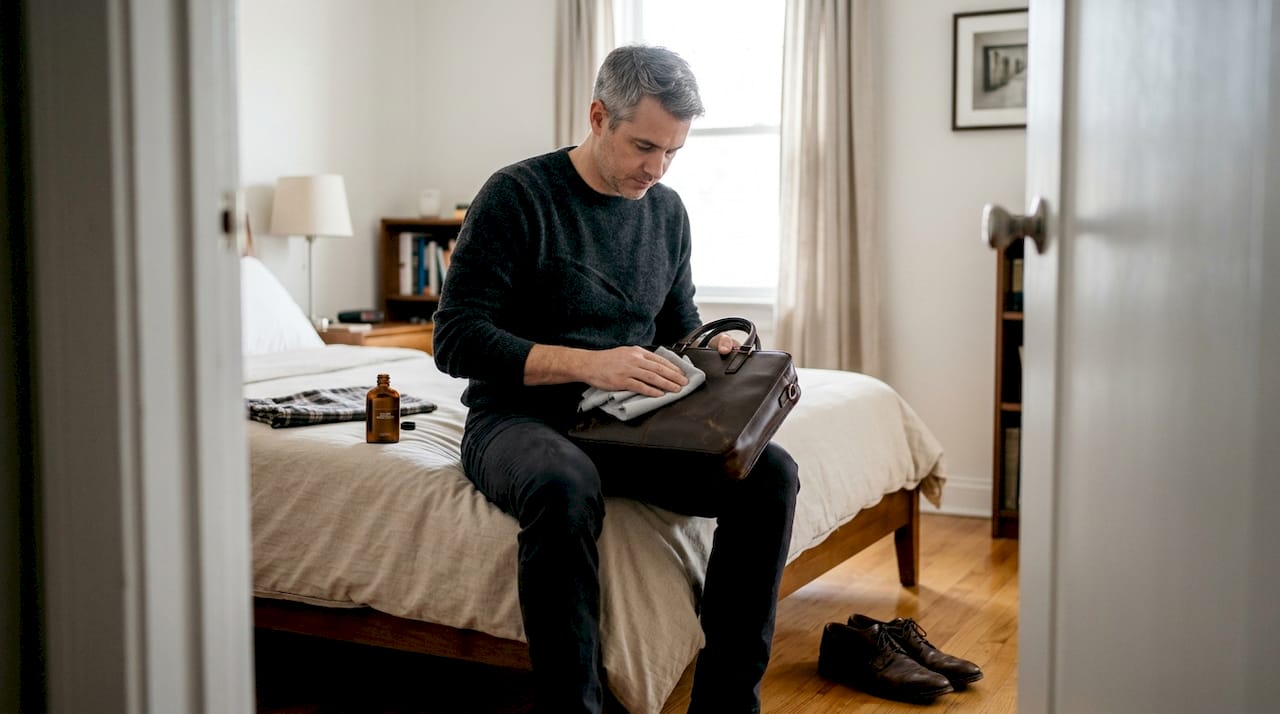
Style considerations should align with your actual lifestyle. Enhancing your look with handbags works best when the bag suits your daily activities. A structured tote serves professional environments, whilst a crossbody bag offers casual versatility. Choosing styles you will genuinely use ensures the bag provides value through regular wear rather than sitting unused in your wardrobe.
Building a strategic handbag collection means starting with versatile foundational pieces before adding specialised options. Your first quality handbag should work across multiple settings, from office environments to weekend outings. Subsequent additions can address specific needs or style preferences, creating a wardrobe that elevates your style comprehensively whilst maintaining resale potential should your preferences evolve.
Balancing style, durability, and investment in your handbag collection
Creating a handbag collection that serves your immediate style needs whilst preserving long-term value requires thoughtful curation. Not every bag must qualify as an investment piece, but understanding how to balance different priorities helps you allocate your budget effectively.
Consider these style factors when building your collection:
- Wardrobe coordination, ensuring handbag colours and styles complement your existing clothing palette
- Occasion versatility, choosing bags that transition smoothly between professional and social settings
- Seasonal appropriateness, selecting materials and colours suitable for your climate and lifestyle patterns
- Personal expression, incorporating design elements that reflect your individual aesthetic whilst maintaining classic foundations
- Functional requirements, matching bag size and organisation features to your daily carrying needs
Comparing handbag characteristics across categories helps clarify purchase priorities:
| Feature | Everyday bags | Investment pieces | Trend-focused bags |
|---|---|---|---|
| Style longevity | Moderate | High | Low |
| Durability needs | Very high | Very high | Moderate |
| Investment potential | Low | High | Very low |
| Maintenance intensity | Moderate | High | Low |
| Usage frequency | Daily | Selective | Occasional |
| Budget allocation | Moderate | High | Low |
This framework reveals how different bag types serve distinct purposes within your collection.
Balancing trendy versus classic styles prevents wardrobe stagnation whilst protecting your investment. Allocate approximately 70% of your handbag budget to classic designs with proven longevity, reserving 30% for trendier pieces that add contemporary flair. This ratio ensures your collection remains current without sacrificing the timeless appeal that preserves value. Classic bags provide reliable style foundations, whilst trend pieces inject personality and freshness into your looks.
Maintenance practices directly impact durability and resale value. Most luxury handbags lose significant value partly due to poor condition maintenance. Establish regular care routines including monthly conditioning for leather bags, immediate stain treatment, and professional cleaning for stubborn issues. Rotate bags seasonally to prevent overuse of individual pieces, allowing leather to rest and recover between wearing periods. Store bags stuffed with tissue paper to maintain shape, and avoid overfilling, which stresses seams and distorts structure.
Building a versatile collection means identifying gaps in your current wardrobe. Assess which bag types you reach for repeatedly and which sit unused. Casual luxury handbags serve different needs than formal clutches or crossbody styles. Understanding your actual usage patterns prevents impulse purchases that duplicate existing functionality whilst missing genuine needs.
Quality over quantity remains the guiding principle for value-focused collections. Three well-chosen, meticulously maintained handbags provide more style versatility and lasting value than ten mediocre alternatives. Each piece should justify its place through regular use, style contribution, or investment potential. Periodically audit your collection, selling pieces that no longer serve your needs to fund strategic upgrades that better align with your evolved style and quality standards.
Integrating these principles creates a handbag collection that enhances your daily style whilst preserving options for future resale should your preferences change. The goal is building a curated selection that brings genuine joy and utility, not accumulating accessories that drain resources without delivering proportional value.
Explore quality fashion accessories at 16th Avenue
Building a sophisticated wardrobe extends beyond handbags to encompass complementary accessories that complete your personal style. Quality pieces work together, creating cohesive looks that reflect attention to detail and fashion awareness.
At 16th Avenue, you will discover fashion accessories that pair beautifully with your handbag collection. Our woollen coats collection offers seasonal style enhancement, providing the perfect backdrop for showcasing your favourite bags during cooler months. The structured silhouettes and premium fabrics create polished ensembles where every element contributes to your overall aesthetic.
Complete your fashion look with our professional makeup brush set, ensuring your beauty presentation matches your accessory sophistication. Quality tools elevate your daily routine, much like quality handbags elevate your outfits.
Explore our selection of casual luxury handbags that balance style with everyday practicality, perfect for building a versatile collection that serves multiple occasions whilst maintaining the quality standards you deserve.
Why invest in quality handbags? faq
What makes a handbag a good investment?
A good investment handbag combines brand prestige, limited production, timeless design, and exceptional craftsmanship. Models like the Hermès Birkin demonstrate these qualities through consistent value appreciation. However, most handbags serve better as style investments rather than financial ones, providing lasting wardrobe value through durability and versatile aesthetics.
How do I maintain a quality handbag to retain value?
Store your handbag in its dust cover away from sunlight and humidity, stuff it with tissue to maintain shape, and clean leather monthly with appropriate conditioners. Address stains immediately, rotate bags seasonally to prevent overuse, and seek professional restoration for significant damage. Proper maintenance preserves both appearance and resale value over decades.
Are all luxury handbags worth investing in?
No, most luxury handbags depreciate significantly after purchase, losing 30 to 70% of retail value. Only select models from brands like Hermès, Chanel, and Louis Vuitton maintain or appreciate in value. Research specific model performance in resale markets before treating any handbag as a financial investment rather than a style purchase.
Can quality handbags enhance my everyday style?
Absolutely. Quality handbags elevate simple outfits through superior materials, refined design, and versatile aesthetics that complement diverse wardrobes. A well-chosen bag transforms your overall presentation, communicating sophistication and attention to detail. The durability of quality construction ensures consistent style enhancement across years of regular use.
What factors affect handbag resale value?
Brand reputation, model exclusivity, condition, colour choice, original packaging, and current fashion trends all influence resale value. Neutral colours and classic styles retain broader appeal than trendy alternatives. Authentication documentation from authorised retailers significantly improves resale prospects, as buyers increasingly demand proof of authenticity before purchasing pre-owned luxury goods.