


Lipcare essentials list: your complete guide to soft lips
TL;DR:
- A complete lip care routine involves using SPF balm during the day and an occlusive balm at night to maintain healthy lips. Incorporating weekly exfoliation and targeted treatments with active ingredients like ceramides or niacinamide enhances barrier repair and hydration. Avoid ingredients like menthol and fragrances that can cause dryness and irritation, and focus on prevention rather than rescue.
A lipcare essentials list is a curated set of products designed to hydrate, protect, exfoliate, and repair lips so they stay soft, smooth, and healthy year-round. Lip care, the recognised skincare term, goes well beyond applying a basic balm. Products like hydrating serums, occlusive balms, gentle exfoliants, and SPF lip balms each address a different layer of lip health. Brands like EADEM and Ole Henriksen have backed their formulas with clinical data, proving that the right combination of products delivers real, measurable results. This guide covers every product type you need, how to use them, and how to choose based on your specific concerns.
1. Which products belong on every lipcare essentials list?
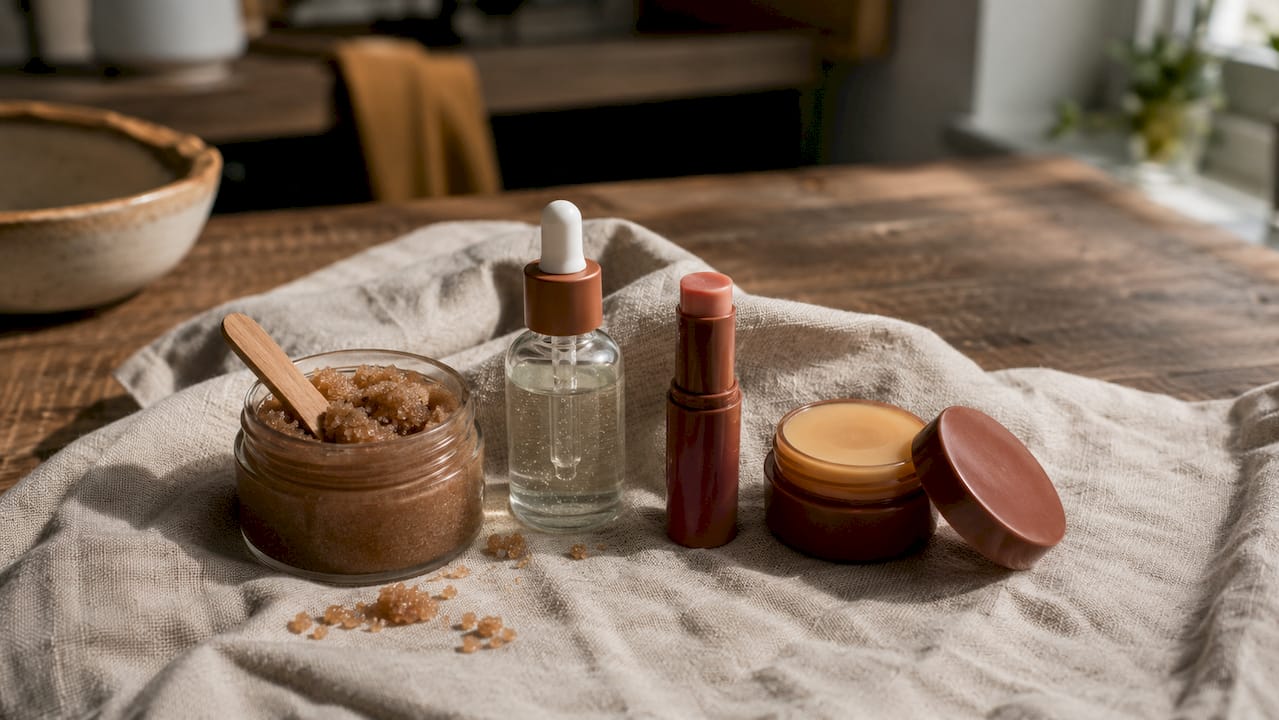
A complete lip care routine covers four functions: hydration, sealing, smoothing, and protection. Each product type handles one of these jobs, and skipping any one of them leaves a gap.
Hydrating lip serums and essences
Hydrating serums use humectants like glycerin and hyaluronic acid to draw moisture into the lip tissue. They work best applied before a balm, which locks that moisture in place. Think of them as the foundation layer of any lip care routine.
Occlusive balms
Occlusive balms contain lanolin, petrolatum, or beeswax. Their job is to form a physical barrier over the lip surface to prevent moisture loss. Without an occlusive layer, hydration evaporates quickly, especially in cold or dry Canadian weather.
Gentle lip exfoliants
Weekly gentle exfoliation prevents flaky lips, but over-exfoliation disrupts the delicate lip barrier. A sugar-based scrub or a soft flannel cloth used once a week is enough. More frequent exfoliation strips the skin and makes dryness worse.
SPF lip balms
UV rays damage lip skin just as they damage facial skin. An SPF lip balm worn during the day protects against sun damage, premature ageing, and dryness caused by UV exposure. This is a non-negotiable step for daytime lip care.
Advanced lip treatments
Peptide-powered lip treatments can deliver visibly fuller lips and all-day hydration in as little as one week of daily use. These go beyond surface comfort by targeting the lip barrier at a deeper level. They are the upgrade step once your basic routine is consistent.
Pro Tip: Apply your hydrating serum while your lips are still slightly damp after drinking water. Humectants bind to available moisture, so a damp surface gives them more to work with.
2. How do different lip care products compare?
Lip treatments differ from balms by targeting barrier repair and deep hydration rather than just surface protection. Knowing the difference helps you spend money on what your lips actually need.
| Product type | Key ingredients | Primary benefit | Best for |
|---|---|---|---|
| Hydrating balm | Beeswax, petrolatum, lanolin | Moisture sealing | Daily protection |
| Lip treatment | Ceramides, peptides, niacinamide | Barrier repair, fullness | Damaged or ageing lips |
| Lip scrub | Sugar, jojoba beads | Exfoliation | Flaky or rough texture |
| Lip mask | Shea butter, panthenol | Intense overnight hydration | Severely dry lips |
| SPF lip balm | Zinc oxide, titanium dioxide | UV protection | Daytime wear |
| Tinted lip balm | Natural oils, pigments | Colour plus hydration | Everyday colour wearers |
Products containing ceramides, niacinamide, or panthenol promote actual repair beyond surface-level comfort. This matters because wax-based balms alone cannot rebuild a compromised lip barrier. If your lips are chronically dry or peeling, a treatment with these actives is what you need, not just more balm.
Strong fragrances, menthol, and high alcohol contents in lip products cause irritation and dryness. These ingredients feel refreshing initially but strip moisture over time. Check ingredient lists and avoid any product with these near the top of the list.
Multifunctional products are worth considering if you want to simplify your routine. Specialized lip treatments combining exfoliation, hydration, and reflective sheen benefit melanin-rich skin by addressing uneven tone alongside texture. EADEM’s Le Chouchou is one example of a product built with this in mind.
3. What lip care routine tips give the best results?
Consistency and layering order determine how well your products perform. The right sequence makes each product more effective.
Morning routine
- Gently wipe lips with a damp cloth to remove any overnight product residue.
- Apply a hydrating lip serum or essence and let it absorb for 30 seconds.
- Follow with an SPF lip balm to seal hydration and protect against UV rays.
- Apply any tinted balm or lip colour on top if desired.
Experts recommend SPF lip balm during the day and occlusive balm at night for healthy lips. This two-step split is the minimum effective routine. Everything else builds on this foundation.
Evening routine
- Remove lip colour fully with a gentle oil-based cleanser or micellar water.
- Apply a hydrating serum or essence.
- Seal with a thick occlusive balm before sleep.
The most effective method for intense hydration is the slugging technique: apply a humectant serum immediately followed by an occlusive layer to lock in moisture. Slugging is especially useful in winter when indoor heating pulls moisture from the air and from your skin.
Weekly additions
- Use a gentle lip scrub once a week to remove dead skin cells.
- Apply a lip mask once or twice a week for deeper hydration. A quick home version involves applying a thick balm layer and covering lips with plastic film for 10 minutes.
- Skip exfoliation if your lips are cracked or broken. Let the barrier heal first.
Pro Tip: If you wear matte lipstick regularly, add a lip mask night to your weekly routine. Matte formulas are particularly drying, and a weekly mask offsets the moisture loss.
4. Which must-have lip treatments suit specific needs?
The best lip care products for you depend on your specific concern. A one-size routine does not work for everyone.
Dry or chapped lips
- Choose balms with petrolatum or lanolin as the first or second ingredient.
- Avoid products labelled “cooling” or “tingling.” These contain menthol or camphor, which worsen dryness.
- Apply balm before going outside in cold weather, not after lips are already chapped.
Sensitive lips
- Look for fragrance-free, alcohol-free formulas.
- Panthenol (vitamin B5) and allantoin are gentle actives that soothe without irritating.
- Patch test new products on the inner arm before applying to lips.
Ageing lips
- Peptide lip treatments address fine lines around the lip border and loss of volume.
- 97% of users felt increased lip hydration after one use of a 3-in-1 lip treatment, and 94% reported smoother texture after two weeks. These numbers reflect what a well-formulated multifunctional product can do.
- Niacinamide helps with uneven pigmentation, which becomes more visible with age.
Budget vs. luxury
- Budget picks: Vaseline (petrolatum), Burt’s Bees (beeswax and botanical oils), and CeraVe Healing Ointment all deliver solid occlusive protection.
- Luxury picks: Ole Henriksen Pout Preserve and EADEM Le Chouchou offer advanced actives and clinical backing.
- The gap between budget and luxury matters most for treatments. For basic sealing, a drugstore balm works just as well.
Colour and texture preferences
- Tinted balms give a wash of colour with hydration. They suit everyday wear without the commitment of lipstick.
- Glossy lip oils add shine and feel lightweight. They work well over a balm base.
- Matte balms exist but are rare. Most matte lip products are not balms and require extra hydration steps to compensate.
For a broader look at affordable beauty must-haves, 16thavenue covers a range of accessible picks that complement a solid lip care routine.
Key takeaways
A complete lip care routine requires at minimum an SPF balm during the day and an occlusive balm at night, with weekly exfoliation and targeted treatments added based on your specific lip concerns.
| Point | Details |
|---|---|
| Layer products correctly | Apply humectant serums before occlusive balms to seal moisture in effectively. |
| Use SPF every day | An SPF lip balm protects against UV damage and premature ageing during daylight hours. |
| Exfoliate once a week | Weekly exfoliation removes flaky skin without disrupting the lip barrier. |
| Choose actives for repair | Ceramides, niacinamide, and panthenol repair the barrier; wax alone cannot do this. |
| Avoid irritating ingredients | Menthol, strong fragrances, and high alcohol content worsen dryness over time. |
Why I think most people are using lip balm wrong
The most common mistake I see is treating lip balm as a rescue product rather than a prevention tool. People reach for balm when their lips are already cracked and sore. At that point, the barrier is already broken and balm alone cannot fix it. You need actives like ceramides or panthenol to rebuild what is damaged.
The second mistake is skipping SPF on the lips entirely. Most women apply SPF to their face every morning but forget the lip line. The lip border is one of the first places to show sun damage, and it is one of the most overlooked spots in a skincare routine.
Seasonal adaptation matters more than most guides acknowledge. In a Canadian winter, indoor heating is genuinely desiccating. The slugging technique is not a trend for me. It is a practical response to months of dry air. I use it every night from november through march and the difference in lip condition by spring is significant.
The one product category I think is genuinely underused is the lip mask. A 10-minute weekly mask costs almost nothing if you use a thick balm and a piece of plastic wrap. The results are comparable to products sold at a premium specifically as lip masks. Start there before spending on anything else.
— Glenville
Complete your self-care routine with 16thavenue

A strong lip care routine is one part of a broader self-care practice, and what you wear matters just as much as what you apply. 16thavenue carries a curated selection of women’s fashion built for every season. The women’s woolen coat is a standout piece for autumn and winter, pairing effortlessly with a polished everyday look. For footwear, the air-cushion snow boots offer warmth and style through Canadian winters. 16thavenue also stocks sport sneakers for casual days when comfort comes first. Free shipping is available to most destinations.
FAQ
What is the minimum lip care routine?
The minimum effective routine is an SPF lip balm during the day and an occlusive balm at night. This two-step approach covers UV protection and moisture retention.
How often should I exfoliate my lips?
Exfoliate once a week with a gentle sugar scrub or soft cloth. Over-exfoliation disrupts the lip barrier and makes dryness worse, not better.
What ingredients actually repair dry lips?
Ceramides, niacinamide, and panthenol repair the lip barrier at a structural level. Wax-based balms seal moisture but do not rebuild damaged skin.
What ingredients should I avoid in lip products?
Avoid menthol, strong fragrances, and high alcohol content. These ingredients feel refreshing initially but strip moisture and cause long-term irritation.
Do lip treatments work better than regular balms?
Yes, for damaged or ageing lips. Lip treatments target barrier repair and deep hydration, while balms primarily provide surface protection. Clinical data from EADEM shows 94% of users saw smoother texture after two weeks of using a multifunctional treatment.