


Do you need primer? Here's how to tell in one test
A makeup primer’s job is simple: it smooths texture, gives foundation something even to grip, and buys you extra hours of wear before your makeup starts to fade or slide. Whether you actually need one comes down to a handful of specifics: an oily t-zone, makeup that has to survive an 8-hour shift, visible pores or fine lines, or a want for that glowy bare-skin look under a sheer base.
You’ll probably notice a difference if any of this sounds like you:
- Your foundation usually looks great at 9 AM and patchy by 1 PM, especially around the nose and forehead.
- You can see texture, enlarged pores, or dry patches through your foundation no matter how you apply it.
If neither applies and you’re doing a five-minute face for a grocery run, skip it. This guide walks through what primer actually does, the main types worth knowing, how to apply one without pilling, which ingredients to look for or avoid, and how to fix it when something goes wrong.
Key Takeaways
Primer’s core job is prep, smoothing texture and building a stable, compatible surface so foundation goes on even and lasts longer, but it only makes a visible difference for specific skin and wear-time needs.
| Point | Details |
|---|---|
| Primer solves a specific problem | Match the type (mattifying, hydrating, blurring, colour-correcting) to your actual skin concern, not the trend. |
| Test before committing | Run the one-side A/B test with your usual foundation to see if primer genuinely changes your midday wear. |
| Match your bases | Pair silicone primer with silicone foundation, water-based with water-based, to avoid pilling and separation. |
| Non-comedogenic matters for breakouts | Acne-prone skin should prioritize non-comedogenic, fragrance-free formulas and always patch-test first. |
| Shop with a plan | 16thavenue’s beauty essentials collection makes it easy to pick one targeted primer and test it against your own foundation. |
Table of Contents
- What is the role of makeup primers in a routine?
- Which primer type actually suits your skin?
- Do you actually need a primer for your skin?
- How do you apply primer correctly?
- Which ingredients should you look for or avoid?
- What causes primer to fail, and how do you fix it?
- What do makeup pros and dermatology sources say about primer?
- A retailer’s take on picking primer in one trip
- Why primer works for some routines and not others
- Find your primer match at 16thavenue
- Frequently asked questions
- Sources
What is the role of makeup primers in a routine?
A primer is a cream or gel you smooth on after skincare and before foundation or concealer. Its purpose is prep work, not colour or coverage. Think of it the way a painter thinks about a wall: you don’t skip the primer coat because the topcoat looks fine on its own eventually, you use it because it helps the topcoat go on evener and last longer, an analogy Maybelline uses in its own guide to the product.
Mechanically, primer does three things. It smooths the surface by filling in fine lines, pores, and rough patches, so foundation has less texture to sit in. It blurs, meaning it visually softens imperfections before you’ve applied a drop of colour. And it creates a compatible base, a surface foundation can grip instead of sliding around on bare, oily, or flaky skin.
Silicone-based and water-based primers behave differently on skin. A silicone formula, typically built on ingredients like dimethicone or cyclomethicone), lays down a smooth, slightly slick film that fills pores and fine lines almost instantly, which is why it’s the go-to for blurring texture. Water-based primers feel lighter, absorb faster, and tend to pair more naturally with water-based foundations, since matching the two bases reduces the odds of separation later in the day.
The same basic model applies to specialty primers. Eye primers stop crease-prone lids from creasing, lip primers keep colour from feathering into fine lines, and lash primers add volume before mascara. They’re solving the identical problem: give the next product something stable and even to hold onto.
Which primer type actually suits your skin?
Not every primer solves the same problem, and picking the wrong one is a common reason people decide primer “doesn’t work” for them. Oily skin needs oil control, dry skin needs hydration, and someone chasing an editorial glow needs neither.
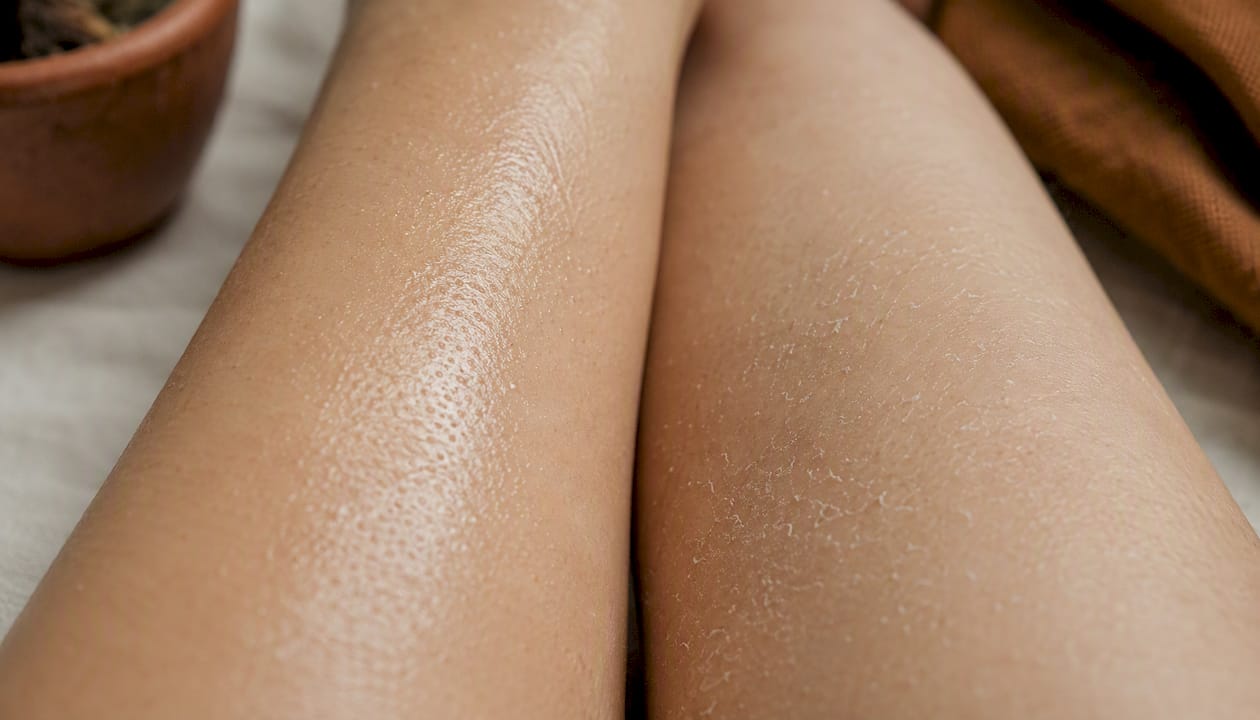
| Primer type | Primary benefit | What to look for | Best suited for |
|---|---|---|---|
| Mattifying / oil-control | Cuts shine, extends wear in oily zones | Silica, clay, or oil-absorbing powders | Oily or combination skin, humid climates |
| Hydrating | Adds moisture, prevents cakey texture | Hyaluronic acid, glycerin | Dry or dehydrated skin, flaky patches |
| Blurring / pore-minimizing | Softens visible pores and fine lines | Silicone (dimethicone), soft-focus powders | Textured or mature skin |
| Illuminating | Adds a soft glow under foundation | Light-reflecting pearls, hydrating base | Dull or bare-skin looks, dry skin |
| Colour-correcting | Neutralizes redness, sallowness, or dullness | Tinted pigments (green, peach, lavender) | Uneven skin tone, redness-prone skin |
| SPF-primer | Sun protection layered into prep | Mineral or chemical filters | Daily wear, outdoor exposure |
Targeted primers for eyes, lips, lashes, and under-eyes work the same logic on a smaller scale. Eye primer stops shadow from creasing by mid-afternoon, lip primer keeps a bold lipstick from bleeding, and under-eye primer helps concealer sit without settling into fine lines.
Categories overlap more than the labels suggest. A hydrating primer with a soft sheen can double as an illuminator, and some colour-correcting formulas are also hydrating. If you’re only buying one, match it to your most persistent problem rather than trying to solve everything at once, and skip a second primer type unless you’re spot-treating a specific area (more on that below).
Do you actually need a primer for your skin?
Run through this before buying anything:
- Your t-zone gets shiny or your makeup breaks down before lunch.
- You need your makeup to hold for 8 hours or more without touch-ups.
- Pores, fine lines, or dry patches show through your foundation.
- You want a natural, glowy finish with minimal product on top.
If two or more of these sound familiar, primer is worth testing. If none do, either your skincare is already doing the job or your foundation has enough built-in staying power, and there’s no real gain in adding a step.
The most reliable way to settle it is a side-by-side test on your own face, and it takes one makeup session. Apply primer to one half of your face only, leave the other bare after skincare, then apply the same foundation over both sides exactly the way you normally would. Check both sides at midday: look at oil breakthrough, whether the texture still looks smooth, and whether concealer has crept into any lines. Makeup professionals interviewed for CBC Life’s piece on the primer debate make a similar point: there’s no universal rule here, and testing a formula against your own skin beats taking anyone’s word for it, including ours.
It’s also fine to skip primer entirely. If your foundation already contains hydrating or mattifying ingredients, if your skincare routine leaves skin balanced, or if you’re doing quick, low-coverage makeup, an extra step just adds time without a visible payoff.
How do you apply primer correctly?
Getting the order and amount right prevents most of the problems people blame on primer itself.
- Finish your skincare routine completely, including moisturizer and sunscreen, and give it a minute to absorb.
- Use a pea-sized amount, less if you’re only spot-priming.
- Apply with clean fingers, warming the product slightly before pressing it into skin rather than rubbing.
- Focus on areas that need it: the t-zone for oil control, cheeks for hydration, or under the eyes for concealer grip.
- Wait about 60 seconds before applying foundation, giving the primer time to set into a stable film.
Compatibility between primer and foundation base matters more than most people realize. Silicone-based primers pair best with silicone-based foundations, since matching formulas reduces the risk of the two separating or pilling into little grey flecks partway through the day. Water-based primers behave the same way with water-based foundations. Mixing the two, a silicone primer under a water-based foundation especially, is one of the most common causes of pilling, a pairing rule Allure’s application guide spells out clearly.
Targeted application beats applying primer across your whole face. Put a mattifying formula on the t-zone and a hydrating one on the cheeks if you have combination skin, rather than layering two products everywhere and risking separation, a technique Glamour’s guide to face priming recommends for exactly this reason.
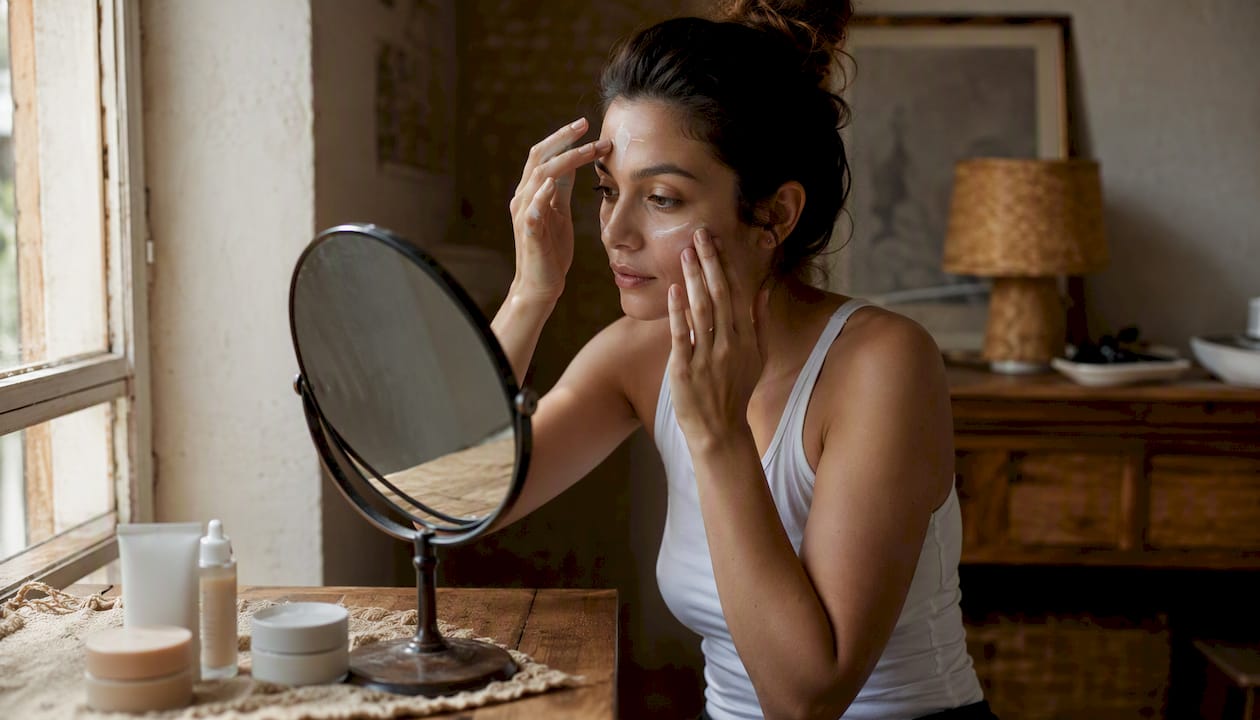
Pro Tip: Fingers give you more control than a brush and let your body heat melt the primer into skin instead of leaving it sitting on top. A slightly damp makeup sponge works too if you want a lighter, more diffused layer, but skip a dry brush, which tends to drag product unevenly and leave streaks.
Which ingredients should you look for or avoid?
Ingredient choice determines whether a primer solves your specific problem or just sits on your skin doing very little. A peer-reviewed overview of cosmetic ingredients is a useful reference if you want the deeper chemistry, but the practical breakdown looks like this.
| Ingredient | Typical benefit | Caution |
|---|---|---|
| Dimethicone / cyclomethicone | Smooths, fills pores, creates a silky base | Can pill under water-based foundation |
| Hyaluronic acid | Draws moisture into skin, prevents cakey texture | Generally well tolerated |
| Niacinamide | Calms redness, helps balance oil | Rare irritation at high concentrations |
| Silica | Absorbs oil, mattifies | Can feel drying on already-dry skin |
| Clay (kaolin, bentonite) | Strong oil control | Overuse can leave skin tight |
| Fragrance / alcohol (high up the list) | Adds scent, quick-dry feel | Common irritant for sensitive skin |
Non-comedogenic labelling matters most if you’re acne-prone, since the Mayo Clinic’s overview of acne causes points to clogged follicles and excess oil as core triggers, both of which a heavy or pore-clogging primer can worsen. If a primer also claims SPF protection, check the actual filter and concentration rather than assuming coverage matches a dedicated sunscreen. Additional research on topical formulations backs up the general pattern that how a product is formulated, not just its active ingredients, affects how well skin tolerates it.
If you have sensitive or acne-prone skin, patch-test any new primer on your jaw or inner arm for a day or two before putting it across your whole face.
What causes primer to fail, and how do you fix it?
Most primer complaints trace back to one of a few fixable habits, not the product being wrong for you.
- Pilling under foundation: you’re using too much product, or you didn’t wait long enough before layering foundation on top. Reduce the amount and give it the full 60 seconds.
- Foundation sliding by midday: the primer and foundation bases don’t match. Switch to a silicone primer with a silicone foundation, or water-based with water-based.
- Increased shine within hours: you used a hydrating or illuminating primer on oily skin instead of a mattifying one. Swap formulas or spot-prime only the dry areas.
- New breakouts after switching primers: the formula likely isn’t non-comedogenic, or it contains an ingredient your skin doesn’t tolerate. Stop use and check the label.
If pilling shows up mid-day anyway, don’t panic and reapply a full layer. Gently wipe away the excess with a clean finger or tissue, mist your face lightly, blot, and touch up with a thin layer of concealer or powder rather than more primer.
If breakouts or irritation persist across more than one formula, stop using primer altogether for a week and reassess. Review the ingredient list against known irritants, and if the reaction is severe or doesn’t clear up, see a dermatologist rather than guessing your way through more products.
What do makeup pros and dermatology sources say about primer?
Professional opinion on primer necessity is genuinely split, and that’s useful information in itself. Some makeup artists treat it as non-negotiable for any look that needs to survive a full day of photos or events. Others argue it’s optional if your skincare is doing enough of the work already and your foundation has good staying power on its own.
“There’s no one-size-fits-all answer. It depends on your skin, the products you’re pairing it with, and how long you need your makeup to hold up.” That’s the consensus among the pros interviewed for CBC Life’s coverage of the primer debate, and it lines up with the testing approach outlined earlier in this guide.
On the skin-health side, dermatology-adjacent sources are consistent: acne develops from a mix of excess oil, clogged follicles, and inflammation, which is why non-comedogenic formulations get recommended for acne-prone skin. If you’re prone to breakouts, that label matters more than any marketing claim about “pore-blurring” or “glow.”
For deeper reading on how specific ingredients interact with skin over repeated use, the cosmetic ingredient review on NCBI is worth a look if you want to understand the chemistry rather than take a brand’s word for it.
A retailer’s take on picking primer in one trip
When customers ask me where to start with primer, I tell them to pick one targeted type first, not a whole shelf of them. If you’re oily, grab a mattifying formula. If you’re dry, go hydrating. If tone or redness is your issue, colour-correcting solves that specific problem better than a general “universal” primer ever will.
The one habit that saves people money and disappointment: check the ingredient list before you check the marketing copy, and if you’re testing in-store, bring a small amount of your usual foundation with you. Dab both on the back of your hand and watch how they behave together for a minute. If it separates or pills right there, it’ll do the same on your face.
If you want to see how primer fits into a broader routine, our guide to glowing skin makeup techniques and our beginner step-by-step guide are both good next stops. And if you’re comparing options online rather than in person, how AI-generated product imagery affects online shopping is a useful read for understanding what you’re actually seeing in a product photo before you buy.
Why primer works for some routines and not others
The honest answer to “do I need primer?” isn’t a yes or no, it’s a diagnosis. Most of the disappointment people report with primer comes from mismatched expectations, not a bad product. Someone with naturally balanced skin and a foundation that already wears well for eight hours is not going to see a dramatic before-and-after from adding a step that’s solving a problem they don’t have. Someone with an oily t-zone and a foundation that breaks down by noon almost certainly will.
What gets underestimated is how much the pairing matters more than the primer itself. A great primer with the wrong foundation base underneath it will pill, separate, or do nothing useful, and get blamed for a compatibility problem it didn’t cause. Match silicone to silicone, water to water, and half the complaints about primer “not working” disappear before you even get to ingredient quality.
The other overlooked point: primer is not a fix for skin health, it’s a cosmetic prep step. If breakouts or irritation show up repeatedly, that’s a skincare or dermatology conversation, not a “try a different primer” problem. Treat it as what it is: one tool that smooths and stabilizes, useful for the right skin and the right wear-time, skippable when neither applies.
Find your primer match at 16thavenue
16thavenue carries beauty essentials built for exactly the kind of testing this guide walks through, without the overwhelm of a hundred near-identical products on one shelf.

If you’ve read this far, you already know your skin type and your main complaint, whether that’s midday shine, visible texture, or a foundation that fades too fast. That’s the whole decision tree simplified: pick the primer type that matches your problem, check the ingredient list against what you learned here, and test it before committing to a full face. For everything else in your routine, from long-wear lip formulas to the rest of your beauty essentials, 16thavenue’s curated collection is worth browsing while you’re at it, and our affordable beauty essentials guide is a solid starting point if budget is part of the decision. Start with one targeted primer, test it against your own skin, and build the rest of your routine around what actually works for you.
Frequently asked questions
Is primer necessary before every makeup application? No. Primer helps most when skin is oily, textured, or makeup needs to last well past eight hours. For quick, low-coverage looks or skin that’s already balanced, it’s optional.
Can primer replace moisturizer? No. Primer is a makeup-prep step, not a skincare product. Apply it after your full skincare routine, including moisturizer and SPF, not instead of it.
Why does my primer pill under foundation? Pilling usually means either too much product, not enough wait time before foundation, or a base mismatch between a silicone primer and a water-based foundation (or vice versa).
Do I need different primers for different areas of my face? Not always, but spot-priming (mattifying on the t-zone, hydrating on cheeks) works well for combination skin and reduces the risk of pilling compared to layering multiple primers everywhere.
How long should I wait between primer and foundation? About 60 seconds is the standard recommendation from professional application guides, enough time for the primer to set into a stable film before foundation goes on top.
Sources
- How to use makeup primer | Allure
- Acne — Symptoms and causes | Mayo Clinic
- NCBI PMC article (cosmetic ingredient review)
- To prime or not to prime — CBC Life