

Role of Trends in Teen Fashion – Impact on Identity
Figuring out what’s truly trendy can feel impossible when styles change faster than you can scroll through TikTok. Teen girls today are surrounded by fashion choices from around the world, pushed by creators in Paris, New York, or Seoul before yesterday’s look even fades out. With so many options and influences, finding your own style that reflects both affordability and what feels authentic can be overwhelming. This guide breaks down how teen fashion is now all about speed, global inspiration, and self-expression, making it easier to spot trends that actually fit you.
Table of Contents
- Defining Trends In Teen Fashion Today
- Major Influences On Teen Fashion Choices
- Social Media And Celebrity Impact
- Identity, Self-Expression, And Peer Pressure
- Consumer Habits And Sustainability Concerns
Key Takeaways
| Point | Details |
|---|---|
| Rapid Trend Evolution | Trends now change quickly, often driven by social media platforms like TikTok and Instagram, connecting youth globally and influencing their choices. |
| Peer Influence and Identity | Peer pressure significantly impacts fashion decisions, balancing the desire for individuality with the need for social acceptance among teenagers. |
| Sustainability Awareness | Many teens are becoming increasingly aware of sustainability but face challenges in accessing eco-friendly fashion due to cost and convenience. |
| Personal Expression | Fashion is a vital form of self-expression for youth, reflecting their identities and values, often shaped by their online interactions and community aesthetics. |
Defining Trends in Teen Fashion Today
Teen fashion today looks nothing like what your parents wore at your age. The speed of change, the global influence, and the role of social media have completely transformed what “trends” actually means for teenagers.
What counts as a trend now? A trend used to last a season. Today, a viral TikTok can make an outfit style go from zero to everywhere in 48 hours. What you see influencers wearing on Monday might be on display at retailers by Thursday.
These aren’t just random clothing choices. Fashion significantly influences adolescents’ identity, behaviour, and aspirations—it’s literally how you communicate who you are without saying a word.
Teen fashion reflects several key characteristics right now:
- Speed and access: You can find trending pieces within days, not months
- Hyper-personalisation: Trends branch into micro-trends based on your specific community or aesthetic
- Blended inspiration: Y2K nostalgia mixed with futuristic elements, vintage paired with ultra-modern
- Affordability focus: Fast fashion allows you to keep up without breaking your budget
- Sustainability awareness: Growing interest in second-hand and eco-conscious pieces alongside trend-chasing
Social media platforms like Instagram and TikTok accelerate the adoption of styles by youth aged 13 to 35 globally. These platforms aren’t just showing you what’s trendy—they’re actively creating trends through algorithm-driven visibility and creator influence.
Peer pressure plays a massive role too. You see your friends wearing something, you scroll past it five times on your feed, then a popular creator wears it. Suddenly it feels like everyone has it, and you do want it.
Today’s trends also blur the lines between different fashion worlds. Streetwear influences high fashion. Y2K comes back every other season. Gender-neutral styles challenge traditional rules. What’s considered “in” depends on which community you’re part of and which creators you follow.
Real talk: Fashion trends reflect mood and serve as a key form of self-expression among youth, not just following what’s popular.
Understanding current teen fashion means recognising that trends now are hyper-fast, globally connected, and deeply personal. They’re about belonging, expressing identity, and navigating what’s available, affordable, and aligned with your values.
Pro tip: Follow trends that genuinely excite you rather than everything you see—your personal style will shine through when you focus on pieces that actually match how you want to feel and present yourself.
Major Influences on Teen Fashion Choices
Your fashion decisions don’t happen in a vacuum. Multiple forces shape what you wear, from friends and celebrities to your bank account and cultural background.
Understanding these influences helps you make conscious choices rather than just following whatever feels trendy in the moment.
Peer pressure sits at the top of the list. When your close friends wear something, you notice it more. You start to think it looks good because they wear it. Peer influence and social norms strongly direct fashion behaviour among youth, especially when those peers are people you care about or admire.
Celebrity and social media endorsements shape trends constantly. An influencer posts an outfit. Their followers buy it. Suddenly it’s everywhere. You see it so often it starts to feel like the “right” choice.
Key influences on your fashion choices include:
- Social acceptance: Wanting to fit in with your peer group
- Personal values: Comfort, sustainability, or ethical concerns matter to you
- Budget constraints: What you can actually afford to buy
- Cultural identity: Your heritage and background influence style preferences
- Digital exposure: What algorithms show you repeatedly online
- Celebrity endorsements: Seeing someone you admire wear something
Psychological, social, cultural, and economic factors interplay when you choose what to wear. You’re balancing your desire for individuality with wanting social acceptance. You want unique pieces but also pieces that signal you belong.
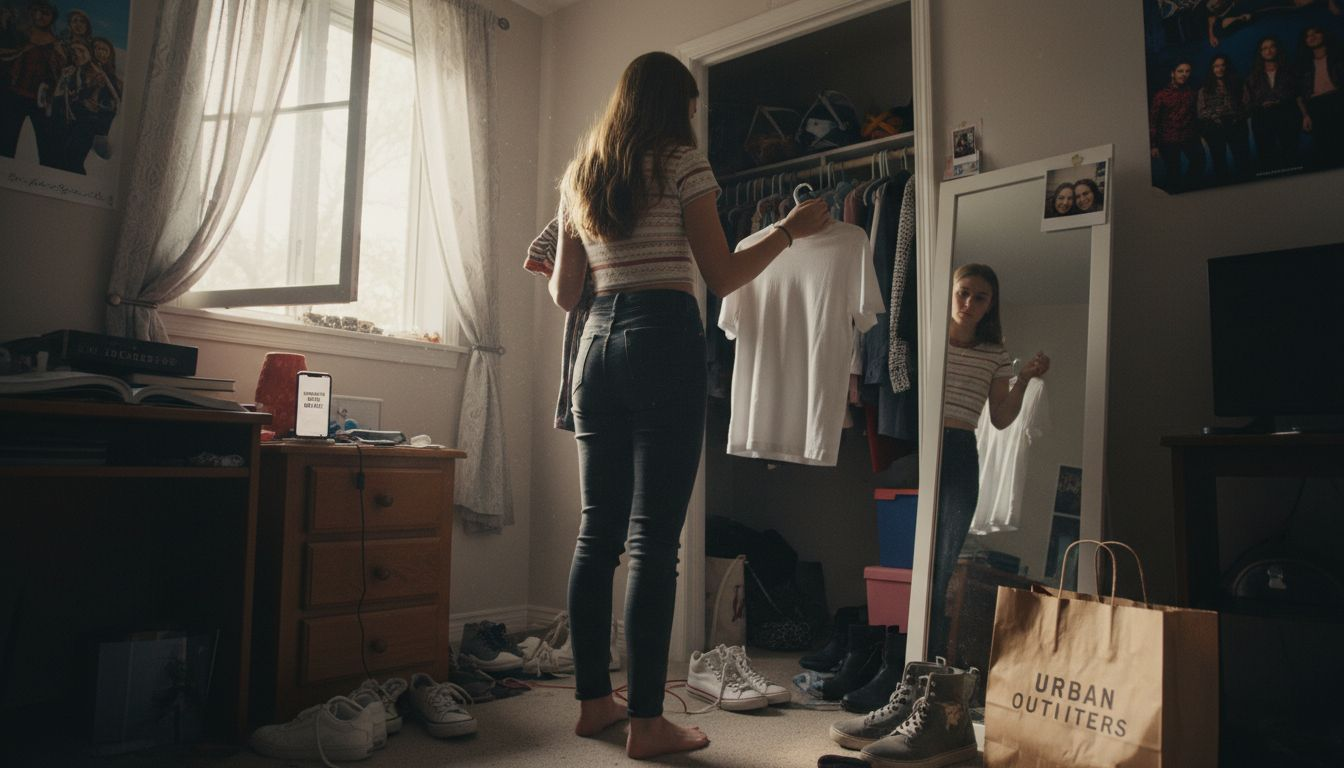
Comfort matters more than people realise. You’re not wearing something all day if it doesn’t feel good. Practical concerns like fit, fabric, and wearability influence your choices as much as how trendy an item is.
Affordability creates real tension. You might love a high-end piece, but fast fashion consumption illustrates how affordability influences fashion behaviour among young consumers. When you can get a similar trend-forward piece for much less, that matters in your decision-making.
Your fashion choices reflect who you are and who you want to become, shaped by forces both visible and invisible around you.
Global fashion exposure means you’re seeing styles from everywhere. What’s worn in Seoul influences what’s worn in Toronto. What’s popular in London shapes what you see in your local shops.
Here’s how key forces impact teen fashion choices:
| Influence Factor | Direct Impact on Choices | Longer-term Effect |
|---|---|---|
| Peer Pressure | Drives conformity to group styles | Shapes group identity and norms |
| Celebrity Endorsements | Creates aspirational purchasing | Influences brand loyalty |
| Budget Limitations | Restricts options to affordable items | Encourages trend hunting for deals |
| Cultural Background | Inspires unique personal style | Maintains heritage in trends |
| Social Media Exposure | Accelerates trend awareness | Reinforces aesthetic preferences |
Pro tip: Notice which influences feel authentic to you versus which ones you’re following just because everyone else is—your best style emerges when you respect your own preferences first.
Social Media and Celebrity Impact
Social media didn’t just change how you find fashion inspiration—it completely rewired how trends are born and spread. Ten years ago, fashion moved from runways to stores over months. Now it moves from a TikTok video to your wardrobe in days.
The speed is unprecedented. A celebrity wears something on Instagram. Within hours, thousands of teenagers see it. By the next week, fast fashion retailers have created similar pieces. You can own the trend before the original video even stops trending.
Influencers and celebrities on platforms like Instagram and TikTok drive fashion trends in ways traditional advertising never could. They feel more authentic, more relatable, and more trustworthy than a billboard advertisement.
Why does this matter so much? Because social media accelerates fashion trend dissemination and identity formation among youth globally. You’re not just seeing trends—you’re forming your identity around them at the same time.
The platforms shaping teen fashion right now include:
- TikTok: Where micro-trends explode overnight and disappear just as fast
- Instagram: Where aesthetic feeds drive purchasing decisions and brand loyalty
- Pinterest: Where you collect inspiration and plan your future wardrobe
- YouTube: Where haul videos and fashion creators influence purchasing behaviour
- BeReal and emerging apps: Where authenticity (or the illusion of it) drives new trend cycles
Celebrities use these platforms differently than they used to. They’re not just endorsing products anymore—they’re showing you their real (or seemingly real) daily lives. You see what they actually wear, not just what they wear on red carpets.
This creates a false sense of closeness. You feel like you know them personally. When they wear something, it feels like a friend’s recommendation rather than paid advertising.
The algorithm plays a massive hidden role. Platforms show you more of what you already engage with, creating echo chambers around specific aesthetics. If you like Y2K fashion, you’ll see more Y2K. If you like minimalism, your feed adjusts accordingly.
Social media has democratised fashion in ways that didn’t exist before—now anyone with a phone can influence what millions wear.
Brands have shifted their entire marketing strategy. They partner with creators instead of running traditional ads. Micro-influencers with smaller, deeply engaged followings often convert better than celebrities with millions of passive followers.
Pro tip: Follow creators whose actual style matches your goals, not just whoever’s most famous—authentic inspiration from relatable people creates a personal style you’ll actually love wearing.
Identity, Self-Expression, and Peer Pressure
Fashion is your most visible language. Before you say a single word, your outfit communicates something about who you are—or who you want people to think you are.
This is where things get complicated. You’re trying to express yourself while also fitting in. That tension is real, and it defines teenage fashion choices.
The pressure to conform is constant. You see what everyone else is wearing. You notice who gets compliments. You feel the unspoken rules about what’s acceptable in your school, your friend group, your community. Teenagers often experience peer pressure to conform to fashion trends, influencing clothing choices to gain acceptance.
But here’s the thing: you also want to stand out. You want people to notice you for being different, unique, individual. These two desires are in direct conflict.
The tension between individuality and belonging shows up everywhere:
- Wanting acceptance while maintaining your authentic style
- Following trends that genuinely excite you versus ones that don’t
- Expressing yourself without fear of judgment
- Belonging to groups with shared aesthetics and values
- Building confidence in your choices despite social pressure
Clothing choices serve as a language of identity, self-worth, and belonging among adolescents. Your wardrobe literally speaks for you before you open your mouth.
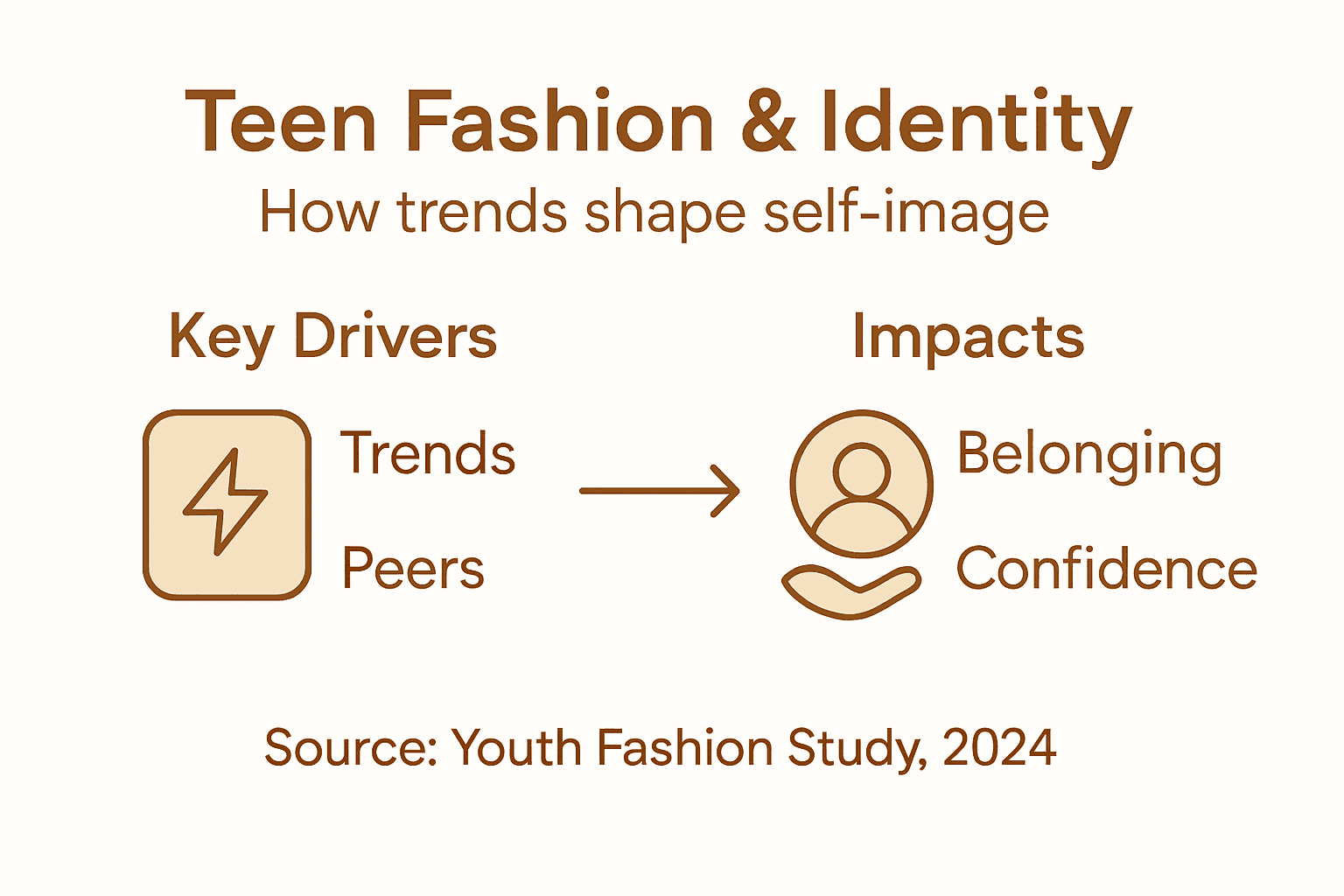
Social media amplifies this tension dramatically. Online, you curate your image. You post the outfits that get likes. You compare yourself to others constantly. The feedback is instant and visible.
This creates new problems. Body image issues arise when you compare yourself to others. Self-esteem suffers when your posts don’t get engagement. You start making fashion choices based on what you think will perform online, not what you actually like.
Peer pressure isn’t just about wearing what everyone wears. It’s about not wearing what might make you look different, weird, or uncool. The fear of standing out keeps many teens in narrow boxes.
Fashion should make you feel confident, not anxious—when it stops doing that, it’s worth questioning whose voice you’re listening to.
The healthiest approach? Find people who share your values and aesthetics. These communities exist both online and offline. When you’re around people who celebrate your style choices, peer pressure transforms into peer support.
Pro tip: Start by wearing one piece that genuinely excites you, even if it feels slightly outside your comfort zone—you’ll often discover people who connect with your authentic style more than you expected.
Consumer Habits and Sustainability Concerns
You want the latest trends. You also know fast fashion hurts the planet. These two things are battling inside your head every time you shop.
This contradiction is real, and you’re not alone in feeling it. Most teens your age experience the same tension between affordability and environmental responsibility.
Fast fashion made trends accessible to you. A decade ago, following trends meant having money. Now, you can grab a trending piece for less than a coffee. But there’s a cost nobody advertises—the environmental one.
Young consumers show varied understanding of sustainability and increasing environmental concerns related to fashion. You’re aware something’s wrong, but the barriers to shopping sustainably feel huge.
The main obstacles you face include:
- Price sensitivity: Sustainable pieces cost significantly more upfront
- Limited information: It’s hard to know what “sustainable” actually means
- Convenience: Fast fashion is everywhere; eco-friendly options are harder to find
- Trend speed: Sustainable fashion can’t keep up with micro-trend cycles
- Social pressure: Everyone’s buying fast fashion, so it feels normal
Here’s the encouraging part: younger consumers show readiness to pay more for sustainable fashion, indicating a genuine shift in consumer habits. You actually want to make better choices.
The disconnect happens because sustainability feels abstract while trends feel urgent. A viral TikTok trend happens now. Climate change feels far away. It’s easy to prioritise the immediate over the important.
Yet your generation is different. You care about transparency. You want brands to explain where clothes come from and how they’re made. You’re willing to invest in pieces that last longer and align with your values.
Understanding sustainable fashion choices helps you make purchases that feel good both immediately and long-term. Shopping mindfully doesn’t mean abandoning trends—it means being intentional.
You don’t have to be perfect to make a difference—small shifts in how you shop create real change over time.
Start small. Buy fewer pieces that you genuinely love. Choose quality over quantity. Explore second-hand platforms where trends exist without new environmental impact. Invest in basics that work with multiple outfits.
Compare these two strategies for sustainable teen shopping:
| Sustainable Approach | Main Benefit | Typical Challenge |
|---|---|---|
| Thrift/Vintage Shopping | Reduces waste, unique finds | Time-consuming, unpredictable stock |
| Investing in Basics | Long-lasting wardrobe options | Higher upfront cost |
Pro tip: Before buying anything trendy, ask yourself if you’ll actually wear it in three months—if the answer’s no, skip it and save your money for pieces with real staying power.
Discover Your True Style and Empower Your Identity Today
Navigating teen fashion means balancing self-expression, peer influence, and the fast pace of trends. If you are searching for clothing that helps you showcase your unique personality while staying on trend and comfortable in your choices, explore our Elegant Women’s Clothing For Every Occasion Collection – 16th Avenue. Our curated selection offers versatile pieces designed for confidence without sacrificing affordability or sustainability.
Take control of your fashion journey and build a wardrobe that reflects who you truly are. Visit 16th Avenue now for the latest in trendy dresses, stylish accessories, and beauty essentials made to enhance your personal style. Act now to enjoy free shipping and special discounts while crafting your authentic look.
Frequently Asked Questions
How do trends influence teen identity?
Fashion trends are a powerful tool for self-expression among teenagers. They help communicate identity, aspirations, and group belonging, serving as a visual language that reflects their personalities.
What role does social media play in shaping teen fashion trends?
Social media accelerates fashion trend dissemination by allowing influencers and celebrities to showcase their styles. Platforms like TikTok and Instagram play a significant role in creating and spreading trends rapidly, impacting how teens perceive and adopt fashion.
How does peer pressure affect fashion choices among teens?
Peer pressure significantly influences what teens wear. Seeing friends adopt certain styles can lead to conformity, making it more likely for individuals to choose similar clothing in order to fit in and gain social acceptance.
How can teens balance personal style with the desire to fit in?
Teens can find balance by focusing on elements of style that genuinely resonate with them while also considering the influences from their peer groups. Emphasizing authenticity over mere trend-following allows them to build a personal style that reflects their true selves.