

Step by step fashion styling guide for trendy looks in 2026
Creating stylish outfits feels overwhelming when you stand before a full wardrobe yet feel you have nothing to wear. Many fashion-conscious women struggle to translate their style aspirations into cohesive, trendy looks despite investing in new pieces each season. This comprehensive guide breaks down fashion styling into clear, manageable steps that help you elevate your wardrobe with affordable, on-trend pieces. You’ll learn practical techniques to build versatile outfits, avoid common mistakes, and develop confidence in your personal style journey.
Table of Contents
- Preparing Your Wardrobe And Style Foundation
- Step By Step Outfit Creation And Styling Techniques
- Avoiding Common Styling Mistakes And Troubleshooting
- What To Expect From Your New Stylish Wardrobe
- Discover Stylish Fashion Essentials At 16th Avenue
- What Is The First Step In Step By Step Fashion Styling?
- How Can I Style Outfits Affordably Without Compromising On Trends?
- What Accessories Are Essential For Elevating My Looks?
- How Do I Choose Footwear To Match My Outfits?
Key takeaways
| Point | Details |
|---|---|
| Foundation first | Personal style starts with understanding your body shape, colour preferences, and lifestyle needs before purchasing new items. |
| Versatile basics matter | Investing in quality wardrobe staples creates endless outfit combinations when paired with affordable trend pieces. |
| Accessories transform looks | Strategic use of jewellery, scarves, belts, and footwear elevates basic outfits into polished, memorable ensembles. |
| Planning prevents mistakes | Following a systematic approach to outfit creation reduces decision fatigue and eliminates last-minute styling stress. |
| Confidence grows with practice | Regular experimentation with different combinations builds styling skills and clarifies your unique fashion identity. |
Preparing your wardrobe and style foundation
Before building stylish outfits, you need a solid foundation. Starting with a wardrobe audit helps identify what to keep, discard, or acquire for versatile styling. Pull everything from your closet and sort items into categories: keep, donate, repair, or repurpose. This process reveals gaps in your collection and highlights pieces you already own but rarely wear.
Defining your personal style requires honest reflection about your lifestyle and aesthetic preferences. Consider where you spend most of your time, whether at work, social events, or casual outings. Your wardrobe should reflect these realities rather than aspirational scenarios that rarely materialise. Look through your favourite outfits and identify common threads in colours, silhouettes, and textures that consistently make you feel confident.
Essential wardrobe staples checklist:
- Well-fitted jeans in classic washes
- Neutral blazer for layering
- White and black basic tops
- Comfortable ankle boots
- Quality leather handbag
- Versatile midi skirt
- Classic trench coat
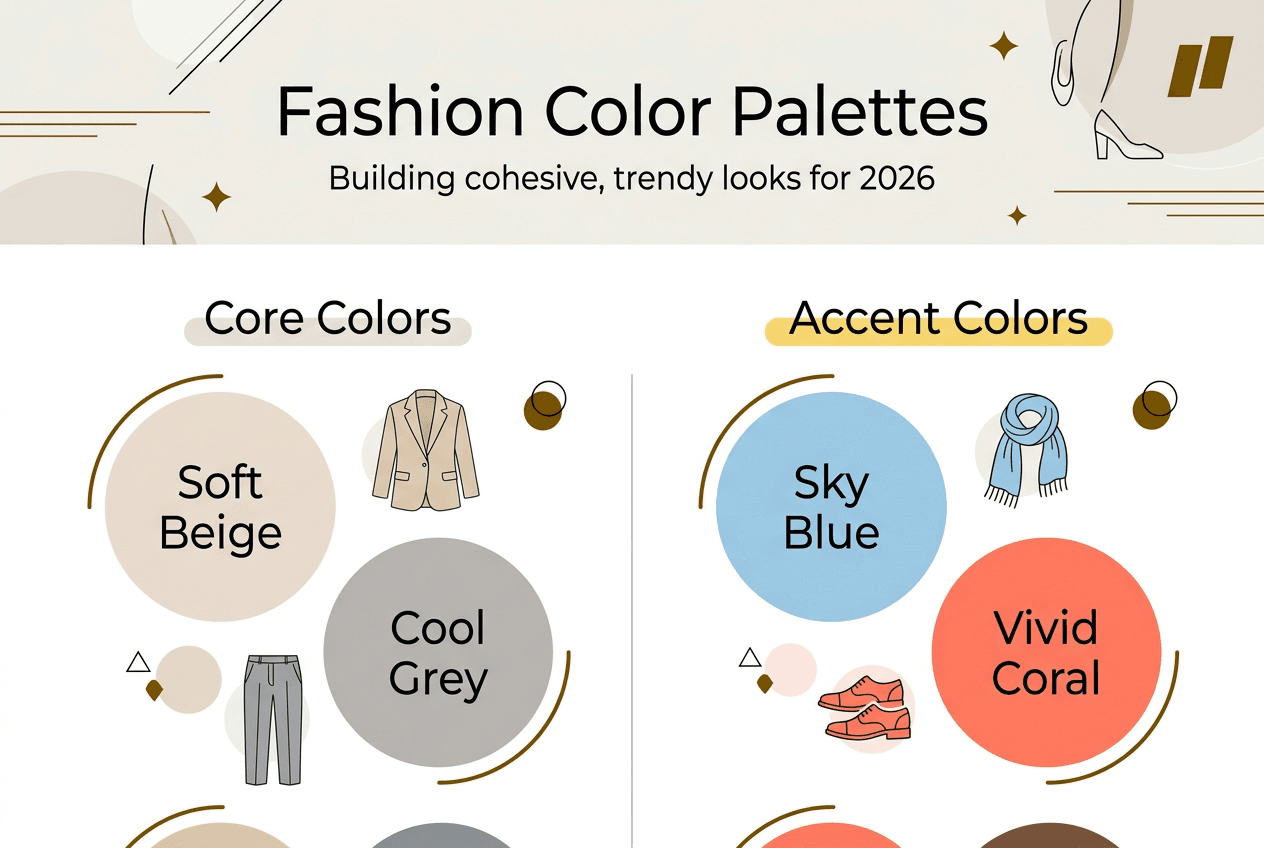
Your colour palette plays a crucial role in creating cohesive outfits. Identify which colours complement your skin tone, hair colour, and personal preferences. Building a wardrobe around a core palette of three to five colours ensures everything mixes easily. Add seasonal trend colours as accent pieces rather than major investments.
| Body Shape | Best Silhouettes | Styling Focus |
|---|---|---|
| Pear | A-line skirts, structured tops | Balance upper body with volume |
| Apple | Empire waists, V-necks | Draw attention to legs and décolletage |
| Hourglass | Fitted styles, wrap dresses | Emphasise natural waist definition |
| Rectangle | Peplum tops, belted pieces | Create curves with strategic layering |
Understanding your body shape guides smarter purchasing decisions. Rather than following every trend, focus on silhouettes that flatter your proportions. This targeted approach saves money and reduces wardrobe clutter from impulse purchases that never get worn.
Pro Tip: Take photos of your favourite outfits and create a digital style board. Review these images monthly to identify patterns in what works best for your body and lifestyle, then shop accordingly.
Create a realistic budget for wardrobe updates. Allocate more funds to versatile basics that withstand multiple seasons and less to trendy pieces with shorter lifespans. This strategic investment approach builds a sustainable wardrobe that serves you for years rather than months.
Step by step outfit creation and styling techniques
Building cohesive outfits becomes straightforward when you follow a systematic approach. Start every outfit with your foundational pieces like jeans, trousers, or skirts. These neutral basics provide a stable canvas for adding personality through tops, outerwear, and accessories.
Sequential outfit building process:
- Select your base garment (bottoms or dress)
- Choose a complementary top or layer
- Add outerwear for dimension and warmth
- Incorporate accessories to personalise
- Select footwear that balances the overall look
- Review proportions and adjust as needed
Layering creates visual interest and practical versatility. Combine different textures like denim with silk, or leather with knits to add depth. Pay attention to length variations when layering, ensuring each piece remains visible and contributes to the overall composition. A long cardigan over a fitted top and jeans creates pleasing vertical lines, whilst a cropped jacket over a flowing dress balances proportions.

Accessorising unlocks fashion potential by transforming simple outfits into memorable looks. Statement jewellery draws attention to your face and adds personality without overwhelming your outfit. Start with one focal accessory, then add complementary pieces that enhance rather than compete. A bold necklace pairs beautifully with simple studs, whilst stacked bracelets work best with minimal rings.
Belts serve both functional and aesthetic purposes. They define your waist in loose-fitting garments, add structure to flowing dresses, and introduce colour or texture contrast. Position belts at your natural waist for an hourglass effect or slightly lower for a relaxed, contemporary vibe.
Scarves offer endless styling possibilities throughout the year. Drape a silk scarf loosely around your neck for effortless elegance, tie it as a headband for retro charm, or knot it on your handbag for a pop of colour. Experiment with different fabrics and prints to discover what resonates with your aesthetic.
Footwear completes outfits by grounding your look and setting the overall tone. Ankle boots add edge to feminine dresses, trainers bring casual comfort to tailored pieces, and heels elevate jeans into evening-appropriate ensembles. Consider the occasion, weather, and comfort requirements when selecting shoes.
Pro Tip: Create outfit formulas that work reliably for different occasions. For example, “blazer plus jeans plus heels equals polished casual” or “midi skirt plus tucked top plus trainers equals weekend chic.” These formulas speed up daily dressing whilst maintaining style consistency.
Colour coordination elevates amateur styling to professional polish. Use the 60-30-10 rule: 60% dominant colour, 30% secondary colour, and 10% accent colour. This proportion creates visual harmony without appearing overly coordinated. Monochromatic outfits in varying shades of one colour create sophisticated, elongating effects.
Pattern mixing adds personality when done thoughtfully. Combine patterns of different scales, such as small polka dots with wide stripes, and ensure they share at least one common colour. Start conservatively with one patterned piece and neutral companions, then gradually experiment with multiple patterns as your confidence grows.
Avoiding common styling mistakes and troubleshooting
Understanding fashion mistakes helps you avoid frustration and wasted purchases. Many women fall into the trap of buying trendy items without considering how they integrate with existing wardrobe pieces. Each new purchase should work with at least three items you already own, ensuring versatility and maximising cost per wear.
Fit trumps everything else in fashion. The most expensive designer piece looks cheap when poorly fitted, whilst an affordable item in the correct size appears polished and intentional. Invest in alterations for key pieces like trousers, blazers, and dresses. A tailor can adjust hems, take in waists, and shorten sleeves for a custom fit at minimal cost.
Common fit issues and solutions:
- Gaping shirt buttons: Size up and tailor the waist
- Dragging trouser hems: Hem to appropriate length for your height
- Pulling across the bust: Choose larger size or try different brands
- Baggy shoulders: Tailor or select petite sizing
- Bunching waistband: Adjust rise or try different cuts
Neglecting accessories leaves outfits feeling incomplete and forgettable. Even the most carefully selected clothing benefits from thoughtful finishing touches. A simple watch, delicate necklace, or structured handbag signals attention to detail and elevates your overall presentation.
Last-minute outfit decisions often result in suboptimal choices driven by time pressure rather than style considerations. Dedicate time each week to plan outfits for upcoming events and commitments. Lay out complete looks including accessories and footwear, then photograph them for quick reference. This preparation eliminates morning stress and ensures you always present your best self.
“Style is knowing who you are, what you want to say, and not giving a damn about trends that don’t serve you. Build your wardrobe intentionally around pieces that make you feel confident, not what magazines dictate this season.”
Wardrobe stagnation happens when you stop reassessing your collection against evolving needs and preferences. Schedule quarterly reviews to evaluate what you’re actually wearing versus what’s collecting dust. Be honest about pieces that no longer fit your lifestyle or aesthetic, and donate them to make room for items that serve you better.
Ignoring care instructions shortens garment lifespan and diminishes their appearance. Read labels carefully and invest in proper storage solutions like wooden hangers, garment bags, and drawer dividers. Well-maintained pieces look newer longer, stretching your fashion budget further whilst maintaining a polished wardrobe.
Over-accessorising creates visual chaos rather than style sophistication. Apply the “remove one thing” rule before leaving home. If you’re wearing statement earrings, bold necklace, multiple bracelets, and decorative belt simultaneously, eliminate at least one element. Strategic restraint allows each piece to shine without competing for attention.
What to expect from your new stylish wardrobe
Thoughtfully styled wardrobes enhance daily confidence and simplify getting dressed. You’ll notice immediate improvements in how quickly you assemble outfits each morning. Decision fatigue disappears when your wardrobe contains only pieces you love that work together seamlessly. This mental clarity extends beyond fashion, freeing cognitive energy for more important daily priorities.
Versatility becomes your wardrobe’s defining characteristic. Each piece serves multiple purposes across different occasions and seasons. Your blazer transitions from office meetings to weekend brunches by swapping formal trousers for jeans. Summer dresses extend into autumn with tights, boots, and cardigans. This adaptability maximises your investment whilst minimising storage needs.
Before and after wardrobe transformation:
| Aspect | Before Styling System | After Styling System |
|---|---|---|
| Morning routine | 20-30 minutes deciding | 5-10 minutes with pre-planned outfits |
| Wardrobe usage | Wear 20% of clothes 80% of time | Wear 80% of clothes regularly |
| Shopping habits | Impulse purchases, trend-driven | Intentional, gap-filling purchases |
| Outfit variety | Limited combinations, repetitive | Endless combinations, fresh looks |
| Confidence level | Uncertain, second-guessing | Assured, comfortable in choices |
Your budget stretches significantly further with strategic wardrobe planning. Rather than constantly buying new pieces to feel stylish, you create fresh looks by recombining existing items differently. The cost per wear of quality basics drops dramatically as you incorporate them into multiple outfits weekly. Trendy accessories refresh your aesthetic each season at a fraction of the cost of completely new wardrobes.
Personal style clarity emerges through consistent practice and experimentation. You’ll develop intuition about what works for your body, lifestyle, and aesthetic preferences. Shopping becomes more efficient as you quickly identify pieces that align with your established style rather than wandering aimlessly through stores hoping for inspiration.
Long-term wardrobe benefits:
- Reduced environmental impact through mindful consumption
- Financial savings from strategic purchasing
- Increased confidence in professional and social settings
- Simplified travel packing with versatile pieces
- Enhanced self-expression through intentional choices
Adapting to evolving trends becomes effortless when you understand styling fundamentals. Rather than overhauling your entire wardrobe each season, you incorporate small trend elements through accessories or single statement pieces. This approach keeps you current without sacrificing your established style identity or breaking your budget.
You’ll inspire others with your put-together appearance and confident demeanour. Friends and colleagues will notice your elevated style and seek your advice. This positive reinforcement further strengthens your fashion skills and encourages continued experimentation within your personal aesthetic boundaries.
Discover stylish fashion essentials at 16th Avenue
Elevating your wardrobe with quality, affordable pieces becomes simple when you shop with intention. 16th Avenue offers carefully curated collections designed for fashion-conscious women seeking versatile, on-trend options that integrate seamlessly into step-by-step styling approaches.
Explore the women’s woollen coat collection for sophisticated layering pieces that anchor autumn and winter outfits. These coats provide the perfect finishing touch for both casual and dressy ensembles whilst keeping you warm and stylish throughout colder months.
Complete your polished looks with the 24-piece professional cosmetics makeup brush set, ensuring your beauty routine matches your elevated fashion game. Quality tools make application effortless and results professional.
Ground every outfit with comfortable, stylish footwear like the women’s casual comfort sport trainers. These versatile shoes transition seamlessly from weekend errands to casual social events whilst providing all-day comfort.
What is the first step in step by step fashion styling?
The first step involves conducting a thorough wardrobe audit to understand what you currently own and identify gaps in your collection. This assessment reveals which pieces you wear frequently versus items that no longer serve your lifestyle or aesthetic. Simultaneously, define your personal style by analysing your favourite outfits and identifying common elements in colours, silhouettes, and textures that consistently make you feel confident.
How can I style outfits affordably without compromising on trends?
Focus your budget on versatile wardrobe basics in neutral colours that work across multiple seasons and occasions. Add a few carefully selected affordable trend pieces each season through accessories like jewellery, scarves, and handbags rather than expensive clothing items. This approach keeps your look current whilst maintaining financial sustainability, as accessories refresh your aesthetic without requiring complete wardrobe overhauls.
What accessories are essential for elevating my looks?
Must-have accessories include statement jewellery that draws attention to your face, quality leather belts that define your waist and add structure, versatile scarves for layering interest, and a well-made handbag that complements multiple outfits. Essential fashion accessories add personality and polish to basic outfits, transforming simple jeans and tops into memorable, put-together ensembles. Start with classic pieces in neutral tones, then gradually add bolder options as your confidence grows.
How do I choose footwear to match my outfits?
Consider three factors when selecting footwear: the occasion’s formality level, your outfit’s overall style and colour palette, and practical comfort requirements for your planned activities. Choosing appropriate footwear grounds your look and sets the tone, whether casual, professional, or evening-appropriate. Invest in versatile shoes in neutral colours that pair with multiple outfits, maximising cost per wear whilst ensuring you always have suitable options available.