


Sustainable shopping explained: Make eco-friendly fashion choices
The average person buys 60% more clothing today than they did 15 years ago, yet wears each item half as long. That’s not just a statistic about clutter. Fashion sector emissions reached 944 Mt CO2e in 2023, a figure that keeps climbing as synthetic fibres flood the market. Most of us assume sustainable shopping means swapping to a bamboo tote or buying one “eco” label. The reality is far more layered, and far more empowering. This guide walks you through what sustainable shopping actually means in fashion, why it matters right now, how to practise it without overhauling your life, and how to spot the traps that trip up even the most well-meaning shoppers.
Table of Contents
- What is sustainable shopping in fashion?
- Why does sustainable shopping matter?
- How to shop sustainably: A practical framework
- What to watch out for: Greenwashing, rebound effects, and common pitfalls
- Personalising your sustainable wardrobe: Progress over perfection
- Curate your conscious closet with stylish, sustainable choices
- Frequently asked questions
Key Takeaways
| Point | Details |
|---|---|
| Sustainable shopping defined | It involves mindful fashion choices that reduce harm to people and the planet while extending garment life. |
| Practical shopping tips | Audit your wardrobe, choose quality pieces, buy secondhand, and watch for transparent certifications. |
| Beware greenwashing | Not all eco claims are equal; learn to spot misleading messages and focus on what you’ll truly wear. |
| Progress, not perfection | Small, consistent changes in your shopping habits add up to real impact over time. |
What is sustainable shopping in fashion?
Sustainable shopping in fashion is not a single action. It is a mindset that shapes every purchase decision you make. At its core, sustainable shopping in fashion involves making purchasing decisions that minimise environmental impact, ensure ethical labour practices, and promote product longevity. That means thinking about where a garment comes from, who made it, what it is made of, and how long you will actually wear it.
Three pillars hold this concept together: planet, people, and longevity. The planet pillar covers carbon emissions, water use, and chemical pollution. The people pillar addresses fair wages, safe working conditions, and supply chain transparency. Longevity is about choosing pieces built to last, not designed to fall apart after a season.
Exploring sustainable fashion principles helps you see how these pillars connect. Understanding ethical fashion adds the human dimension that purely environmental conversations often miss. Together, they paint a complete picture of what conscious consumption looks like in practice.
“Sustainable shopping is not about being perfect. It is about making better choices more often, and understanding the full story behind what you wear.”
Here is what sustainable shopping in fashion actually involves:
- Choosing garments made from certified, low-impact materials
- Supporting brands with transparent, ethical supply chains
- Prioritising quality and versatility over trend-driven volume
- Extending garment life through repair, resale, and thoughtful care
- Reducing overall consumption rather than simply switching labels
These are not abstract ideals. They are practical decisions you can make every time you open a shopping app or walk into a store.
Why does sustainable shopping matter?
Understanding the definition is one thing. But why does it truly matter for you and the planet?
The numbers are striking. Apparel production doubled between 2000 and 2015, garment wear has dropped by 40% in the same period, and the industry generates 92 million tonnes of textile waste every single year. These are not distant corporate problems. Every purchase you make either feeds or challenges that system.
| Fashion industry impact | Current benchmark |
|---|---|
| GHG emissions (2023) | 944 Mt CO2e |
| Production growth (2000 to 2015) | Doubled |
| Drop in garment wear frequency | 40% decline |
| Annual textile waste | 92 million tonnes |
The sustainable fashion impact of shifting consumer behaviour is measurable. When shoppers demand better, brands respond. That is not wishful thinking. It is market economics.
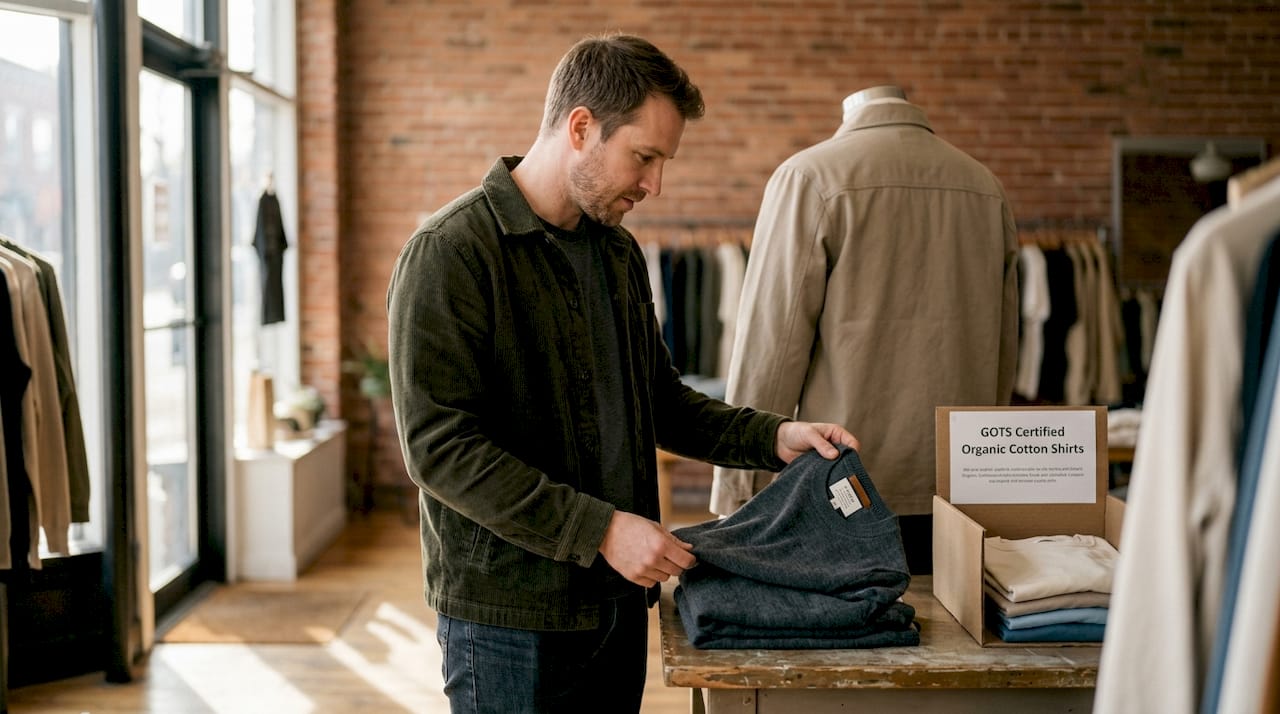
Your choices carry real weight. A single person choosing to wear a garment 30 times instead of 10 reduces its carbon footprint by two thirds. Multiply that across millions of wardrobes and the shift becomes significant.
Pro Tip: Track how often you actually wear each item in your wardrobe for one month. You will quickly see which pieces earn their place and which ones are quietly draining your budget and the planet’s resources.
Making ethical fashion choices also means supporting the millions of garment workers, mostly women, who deserve fair pay and safe conditions. Sustainability is not only environmental. It is deeply human.
How to shop sustainably: A practical framework
So, how do you actually put sustainable values into practice when shopping? Here is a practical, step-by-step approach.
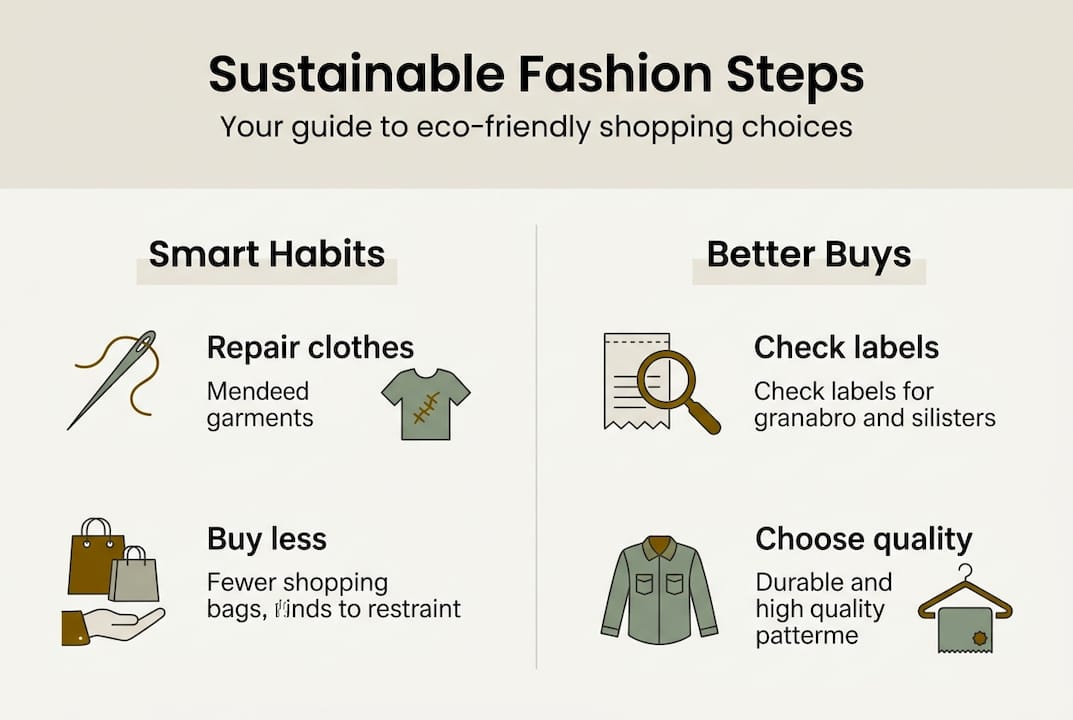
Start with what you already own. A wardrobe audit reveals gaps, duplicates, and forgotten favourites. From there, define your personal style palette so every new purchase has a clear purpose. Then apply the following hierarchy when you do need something new:
- Repair what you already own before replacing it
- Borrow or rent for one-off occasions
- Buy secondhand from trusted resale platforms or local markets
- Choose certified new items when secondhand is not available
- Invest in quality pieces with a high cost-per-wear value
This framework, drawn from key sustainable methodologies, prioritises reducing consumption first and improving purchasing decisions second. That order matters.
| Shopping method | Environmental benefit | Practical ease |
|---|---|---|
| Repair existing items | Very high | Moderate |
| Secondhand shopping | High | Easy |
| Certified new purchases | Moderate | Moderate |
| Fast fashion | Very low | Very easy |
When buying new, look for certifications like GOTS (Global Organic Textile Standard), Fairtrade, or OEKO-TEX. These labels are independently verified and mean something concrete. You can also check brand rankings on Good On You to see how your favourite labels score on environment, labour, and animal welfare.
Embracing slow fashion is one of the most effective shifts you can make. It is the opposite of impulse buying. It means choosing fewer, better pieces that align with your actual lifestyle. Pairing that with awareness of seasonal collection sustainability helps you shop smarter across the year.
Pro Tip: Before any purchase, ask yourself: “Will I wear this at least 30 times?” If the answer is uncertain, put it back. That one question has saved countless wardrobes from becoming landfill.
What to watch out for: Greenwashing, rebound effects, and common pitfalls
Even the best-intentioned shoppers can face misleading marketing and slippery slopes. Here is how to avoid common traps.
Greenwashing is when a brand uses vague or misleading environmental claims to appear more sustainable than it actually is. Phrases like “eco-conscious collection” or “made with recycled materials” sound good but often describe a tiny fraction of a brand’s output. Without third-party verification, these claims are marketing, not accountability.
The rebound effect is subtler but just as damaging. Secondhand shopping often supplements, rather than displaces, new purchases. In other words, buying ten thrifted items instead of one new quality piece is not a net win for the planet. Overconsumption is overconsumption, regardless of the price tag or the source.
“Even experts can fall for price-driven purchases. The thrill of a bargain can override the intention to consume less.”
Watch for these red flags in eco-fashion marketing:
- No specific data or third-party certifications to back up claims
- “Sustainable” collections that represent less than 5% of total output
- Heavy discounting framed as an environmental initiative
- Vague language like “natural,” “green,” or “conscious” without definition
- No information about supply chain, factory conditions, or material sourcing
Understanding how discounts shape fashion choices is key here. A sale is not a reason to buy something you would not otherwise need. Demand transparency from brands. If they cannot tell you where and how a garment was made, that silence is an answer.
Personalising your sustainable wardrobe: Progress over perfection
Everyone’s path to sustainability is different. Here is how you can create lasting habits, one choice at a time.
The biggest mistake new sustainable shoppers make is trying to overhaul everything at once. Donating an entire wardrobe and replacing it with “ethical” alternatives is not sustainable. It is just a different kind of consumption. Real change is quieter and more durable.
Small shifts build sustainable habits. Repairing a favourite jacket instead of replacing it. Adopting a secondhand-first rule for non-essential purchases. Tracking wear frequency to understand your actual habits rather than your aspirational ones. These micro-decisions compound over time.
Here is a simple starting plan:
- Audit your wardrobe and identify what you actually wear regularly
- Calculate cost-per-wear for your most and least used items
- Define a colour palette that makes mixing and matching effortless
- Set a personal rule, such as one in, one out, before buying anything new
- Commit to one repair or resale action per month
Pro Tip: Cost-per-wear is calculated by dividing the price of an item by the number of times you wear it. A $200 coat worn 100 times costs $2 per wear. A $40 top worn twice costs $20 per wear. Quality almost always wins.
Exploring fashion merchandising insights can also help you understand how retail environments are designed to encourage impulse buying, so you can shop with more intention and less regret.
Progress, not perfection, is the goal. Every conscious choice you make shifts the industry, even slightly, in a better direction.
Curate your conscious closet with stylish, sustainable choices
Sustainable shopping does not mean sacrificing style. It means being more intentional about the pieces you bring into your life. At 16th Avenue, we curate fashion-forward options that are built to last and designed to be worn, not just admired.
If you are ready to invest in quality over quantity, our trendy autumn wool coat is a perfect example of a versatile, season-spanning piece that earns its place in a conscious wardrobe. For accessories that stand the test of time, our vintage leather handbag combines craftsmanship with enduring style. When you shop with intention, every piece tells a story worth keeping. Discover more sustainable options across our full collection and find pieces that align with both your values and your aesthetic.
Frequently asked questions
How can I tell if a brand is truly sustainable?
Look for third-party certifications like GOTS or Fairtrade, and use tools like Good On You to check how brands score on environment, labour, and animal welfare. Vague language without verified data is a clear warning sign.
Is shopping secondhand always sustainable?
Secondhand shopping supplements, rather than replaces, new purchases for many shoppers, which means overconsuming thrifted goods can still contribute to textile waste. Mindful quantity matters as much as the source.
What is the most impactful first step for someone new to sustainable shopping?
Start with a wardrobe audit and apply cost-per-wear thinking to understand which items truly earn their place. Buying fewer, higher-quality pieces you will actually wear is the single most effective change you can make.
Are sustainable fashion choices more expensive?
Upfront costs are often higher, but prioritising quality over quantity means each piece delivers far more value per wear over time. In most cases, the long-term cost is actually lower than cycling through cheap, disposable alternatives.