


The role of block heels in modern fashion and comfort
TL;DR:
- Block heels provide even weight distribution and enhanced stability, making them practical and supportive for all-day wear. Their refined silhouettes and comfort features enable versatile styling for work, casual, and formal occasions, challenging the misconception that heels must be uncomfortable.
Block heels are defined as heels with a wide, square or rectangular base that distributes body weight evenly across the foot, reducing pressure and improving stability. The role of block heels in contemporary footwear goes far beyond aesthetics. They give you real height without the ankle strain that narrow heels cause, and podiatrists back them as one of the most practical choices for all-day wear. Whether you are dressing for the office, a weekend brunch, or a formal event, block heels deliver a balance of style and function that few other heel types can match.
What is the role of block heels in comfort and support?
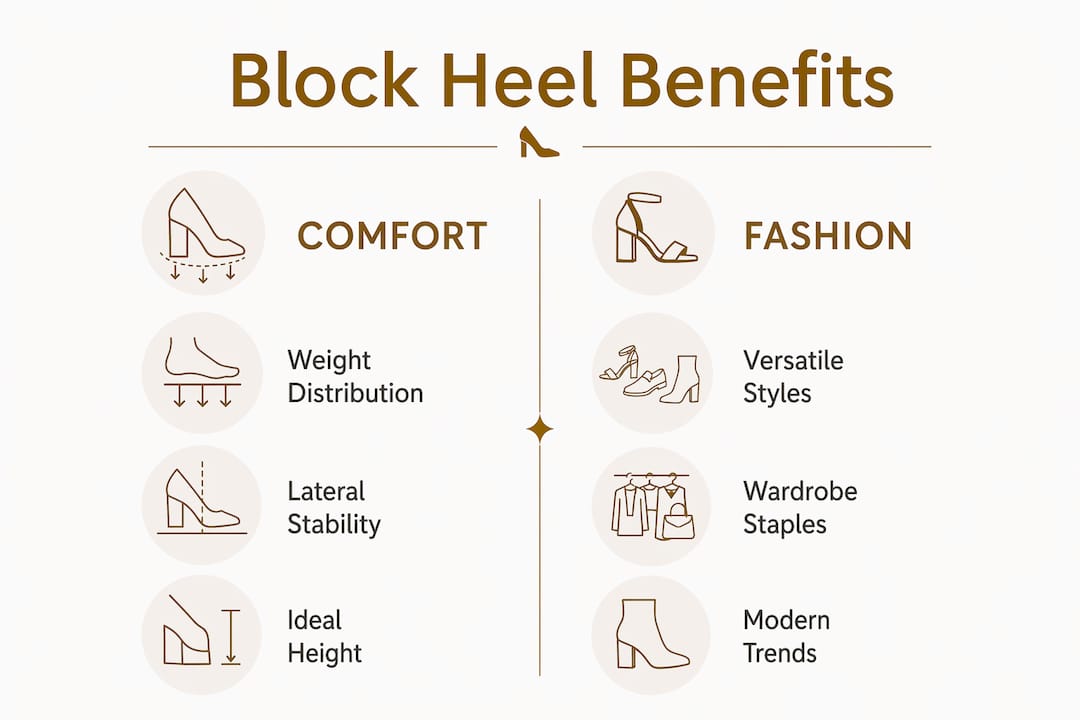
Block heels work by spreading your body weight across a larger surface area. A narrow stiletto concentrates all that pressure onto a tiny point, which increases the pounds per square inch on your heel and ball of foot dramatically. A wider heel base decreases that pressure load, so your muscles and ligaments do not have to work as hard to keep you balanced.
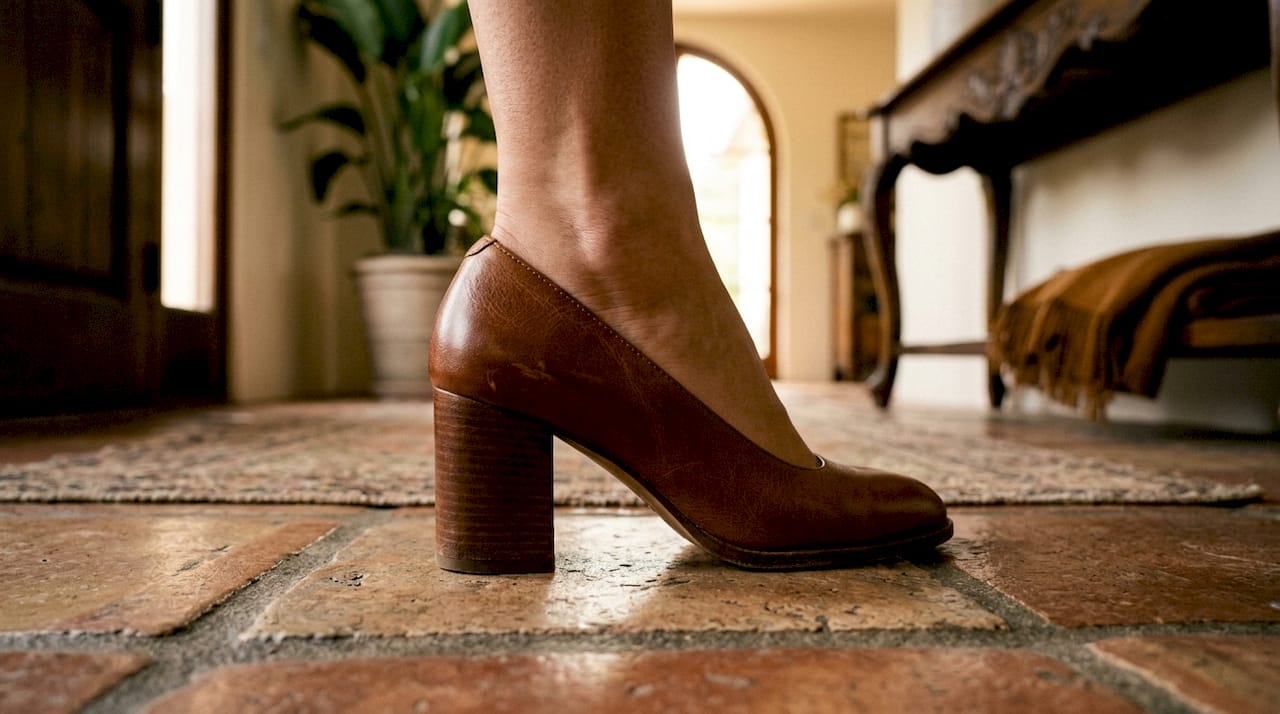
The lateral stability a block heel provides is one of its most underrated benefits. Narrow heels force your ankle to make constant micro-adjustments with every step, which fatigues the joint and raises your sprain risk. Block heels reduce that wobble, which means better alignment across your ankles, knees, and hips. Better alignment translates directly to less lower back strain after a long day.
Heel height matters just as much as heel shape. Podiatry experts recommend keeping heel height under 4 inches, with the sweet spot for all-day comfort sitting between 1 and 2.75 inches. Heights beyond 4 inches shift too much weight onto the ball of the foot, negating the comfort advantage the block shape provides.
Heel shape also determines how pressure is distributed. A square base heel outperforms circular or triangular bases because it contacts the ground across a flat, even plane. Round or triangular bases create edge pressure points that undermine the stability advantage. Beyond shape, cushioned insoles, padded arch support, and ankle straps all contribute to keeping your foot secure and comfortable throughout the day.
Pro Tip: When shopping for block heels, press your thumb firmly into the insole before buying. If it feels hard and unyielding, the cushioning will not protect your foot during extended wear.
| Feature | Comfort impact |
|---|---|
| Square heel base | Even pressure distribution, better balance |
| Heel height 1–2.75 inches | Minimises forefoot pressure for all-day wear |
| Cushioned insole | Absorbs impact and reduces foot fatigue |
| Ankle strap | Stabilises foot position, reduces slipping |
| Padded heel lining | Prevents friction blisters during extended wear |
How to wear block heels for every occasion
The 2026 styling direction for block heels is noticeably more refined. Designers have moved away from the heavy, chunky proportions that defined the 2010s. Current trends favour sleeker silhouettes with cleaner lines, elevated textures, and finishes that read as polished rather than casual. That shift opens block heels up to a much wider range of occasions than they previously occupied.
Here is how to pair block heels across different settings:
- Office wear: A block heel boot or closed-toe pump in a neutral tone pairs cleanly with tailored trousers or a midi skirt. The heel height adds authority without making you feel unsteady during a full workday.
- Casual outings: Block heels in suede or woven textures work naturally with high-waisted jeans and a relaxed blazer. The key is keeping the rest of the outfit proportional so the shoe does not overpower the look.
- Evening events: Metallic or embellished block heels in a pointed or square toe silhouette elevate a slip dress or wide-leg trouser suit. The block base keeps you comfortable through dinner and dancing.
- Transitional dressing: A block heel mule in a warm cognac or deep burgundy bridges autumn and winter wardrobes. Pair with a woollen coat and straight-leg trousers for a complete seasonal look.
- Weekend errands: A low block heel sandal or loafer style keeps things practical without sacrificing polish. Aim for a heel between 1 and 1.5 inches for maximum ease.
Colour and material choices drive versatility. Nude and black block heels function as wardrobe staples because they recede visually and let the outfit lead. Statement colours like cobalt, red, or forest green work when the rest of the outfit stays neutral. Textured materials such as croc-embossed leather or velvet add visual interest without requiring a bold colour choice.
Pro Tip: Match your block heel tone to your trouser hem rather than your top. This lengthens the leg line and creates a cleaner, more intentional silhouette.
How to choose the perfect block heels and avoid common mistakes
The most frequent mistake shoppers make is ignoring heel lining quality. Poor heel lining creates friction against the back of your foot, which causes blisters within the first hour of wear. Soft, padded lining is non-negotiable, especially if you plan to wear the shoes without hosiery.
Follow these steps when selecting block heels:
- Check the heel construction. Press the heel from side to side. It should feel solid with no flex or wobble. A heel that moves independently of the sole will destabilise you on uneven surfaces.
- Assess the toe box. Your toes need room to sit flat without being compressed. A pointed toe box can work if the taper starts well forward of the toe joint. A square or rounded toe box gives more room and reduces pressure on the smaller toes.
- Test the insole. Removable insoles let you add custom orthotics if needed. A fixed insole should have visible cushioning at the heel and ball of foot zones.
- Confirm the heel height. For daily wear, stay within the 1–2.75 inch range that podiatrists recommend. Reserve taller block heels for shorter events where you will spend more time seated.
- Evaluate strap fit. If the shoe has an ankle strap, fasten it and walk a few steps. The strap should hold the foot firmly without cutting into the skin or leaving room to slip.
The toe box shape affects long-term foot health more than most people realise. Shoes that compress the toes over time contribute to bunions and nerve pain. Prioritising a generous toe box from the start protects your feet across years of wear, not just a single occasion.
For guidance on choosing shoes in 2026 that balance trend and comfort, the principles above apply across heel types, not just block styles.
Block heels vs stilettos and other heel types
Block heels serve as a functional alternative to stilettos by providing the same height with significantly greater stability. The larger surface area of a block heel improves balance and reduces foot aches after prolonged wear in ways that a stiletto physically cannot replicate.
| Heel type | Stability | Comfort for long wear | Best occasion |
|---|---|---|---|
| Block heel | High | High | Work, events, daily wear |
| Stiletto | Low | Low | Short formal events |
| Kitten heel | Medium | Medium | Office, light social events |
| Wedge | High | High | Casual, outdoor events |
| Platform | Medium | Medium | Fashion-forward occasions |
Wedges offer comparable stability to block heels, but their rigid sole limits natural foot flexion. Block heels allow the foot to move more naturally through each step, which reduces fatigue over a full day. Kitten heels are comfortable but provide minimal lift and less visual impact. Stilettos remain the choice for short, high-formality events where appearance outweighs comfort.
The misconception that block heels read as too casual or bulky has been corrected by the 2026 trend toward refined proportions. A slim block heel in a quality leather finish looks as polished as any stiletto in a professional or formal context. The cultural shift toward comfort in daily dressing has positioned block heels as a choice that reflects real lifestyle needs rather than fashion fantasy.
Understanding footwear stability and how it affects your foot health long-term is worth the time, especially if you wear heels regularly. The structural differences between heel types have measurable effects on posture and joint health over months and years.
For a broader view of how block heels fit within a complete shoe wardrobe, the essential footwear types guide covers the full spectrum of styles worth owning.
Key takeaways
Block heels are the most practical heeled footwear choice for all-day wear because their wider base distributes weight evenly, reduces ankle strain, and supports natural body alignment.
| Point | Details |
|---|---|
| Heel base shape matters | A square base distributes pressure more evenly than round or triangular alternatives. |
| Optimal height is 1–2.75 inches | Staying within this range minimises forefoot pressure for extended daily wear. |
| Lining quality prevents blisters | Soft, padded heel lining is critical, especially when worn without hosiery. |
| 2026 trends favour refined proportions | Sleeker block heel silhouettes now work across casual, office, and formal occasions. |
| Block heels outperform stilettos for stability | The larger surface area improves balance and reduces joint strain across the whole leg. |
Why I think block heels deserve more credit than they get
Fashion has a long history of treating comfort as a compromise. The idea that a shoe must hurt to be stylish is one of the most persistent myths in women’s dressing, and block heels are the clearest evidence against it. I have watched the block heel go from being dismissed as a “sensible” option to becoming the shoe that serious dressers reach for first.
What changed my thinking was paying attention to how I felt at the end of the day. Stilettos looked incredible in the mirror but left me adjusting my posture and avoiding stairs by mid-afternoon. Switching to a well-constructed block heel in the 1.5 to 2 inch range changed that completely. I could walk confidently on uneven surfaces, stand through long events, and still look put-together in a way that felt intentional rather than resigned.
The 2026 move toward slimmer, more refined block heel proportions has removed the last real objection. There is no longer a meaningful trade-off between looking polished and wearing a heel that supports your foot properly. The foot health benefits of a well-designed block heel are real, and they compound over time in ways that matter for anyone who wears heels regularly.
My advice is to treat block heels as the foundation of your shoe wardrobe rather than the fallback option. Build from a neutral block heel pump, add a boot, then a sandal. You will find that the rest of your wardrobe becomes easier to dress around, not harder.
— Glenville
What 16thavenue has for your block heel wardrobe
16thavenue carries footwear designed for women who want style without sacrificing comfort. The collection includes options suited to daily wear, seasonal dressing, and special occasions, with comfort features built into the construction rather than added as an afterthought.
If you are building a wardrobe that works across seasons, the air-cushion snow boots offer the same stable, cushioned base principle as a block heel in a cold-weather format. For days when you want comfort without a heel, the breathable sport sneakers deliver non-slip support with a low wedge sole. 16thavenue ships free to most destinations and updates its collections regularly, so the current range reflects what is actually trending in 2026.
FAQ
Are block heels actually comfortable for all-day wear?
Block heels are among the most comfortable heeled options for extended wear. Podiatrists recommend heights between 1 and 2.75 inches, where the wide base distributes weight evenly and reduces pressure on the ball of the foot.
What makes block heels better than stilettos for stability?
The wider base of a block heel reduces the pounds per square inch on your heel and decreases ankle micro-adjustments with each step. This improves alignment across the ankles, knees, and hips compared to a narrow stiletto.
What heel height is best for block heels?
The ideal block heel height for daily comfort sits between 1 and 2.75 inches. Heights over 4 inches shift too much weight onto the forefoot and negate the comfort advantage of the block shape.
How do I prevent blisters when wearing block heels?
Choose block heels with soft, padded heel lining, particularly if you wear them without hosiery. Poor lining quality is the leading cause of friction blisters and is often overlooked when shopping.
Can block heels work for formal occasions?
Block heels in refined proportions, quality leather, or metallic finishes read as polished and formal. The 2026 trend toward sleeker block heel silhouettes has made them appropriate for professional and evening settings, not just casual wear.