


The role of elegance in fashion: a timeless guide
TL;DR:
- Elegance in fashion is the deliberate expression of harmony, proportion, and restraint that creates lasting style. It emphasizes choice, discernment, and omission rather than decoration or trendiness, with modern shifts toward comfort and quality shaping contemporary aesthetics. Achieving elegance involves thoughtful editing, balanced proportions, and self-awareness, making it an attainable goal beyond price or trend cycles.
Elegance in fashion is defined as the deliberate expression of harmony, proportion, and restraint that produces style with lasting presence. The word itself traces back to the Latin legere, meaning “to choose,” and that origin reveals everything. Elegance is not decoration. It is discernment and omission, a social language that manages presence through what you leave out as much as what you put in. Designers like Giorgio Armani and Coco Chanel built entire careers on this principle, and the concept remains the backbone of how contemporary clothing earns its authority. This article unpacks the role of elegance in fashion from its philosophical roots to your actual wardrobe.
How does elegance influence contemporary fashion?
Modern elegance has shed its rigidity. Where earlier decades demanded structured silhouettes and formal codes, the 2026 comfort dressing trend redefines elegance as soft power: confidence expressed through fluidity and ease rather than stiff tailoring. This shift matters because it makes elegance genuinely accessible. You no longer need a couture budget or a formal occasion to dress with intention.
The influence of elegance on current trends shows up in several concrete ways:
- Fluid silhouettes replace boxy or overly structured cuts, prioritising movement and comfort without sacrificing polish.
- Tonal dressing (wearing one colour family head to toe) creates visual coherence that reads as effortlessly refined.
- Quality over quantity drives purchasing decisions, with consumers choosing fewer, better pieces rather than filling wardrobes with disposable items.
- Sustainable design is now inseparable from modern elegance. The Lufthansa and BOSS collaboration launched a modular uniform line of 40+ pieces built on precision, functionality, and sustainability. That combination of purpose and polish is exactly what contemporary elegance looks like at scale.
Athletes are also reshaping how elegance influences fashion in popular culture. 42% of fans follow professional athletes specifically for their off-field style, and figures like Naomi Osaka have demonstrated that grit and grace are not opposites. That cultural appetite for elegance blending strength with refinement is now filtering directly into everyday women’s fashion. The 2026 women’s fashion trends reflect this clearly, with athletic-inspired silhouettes appearing in polished, elevated contexts.
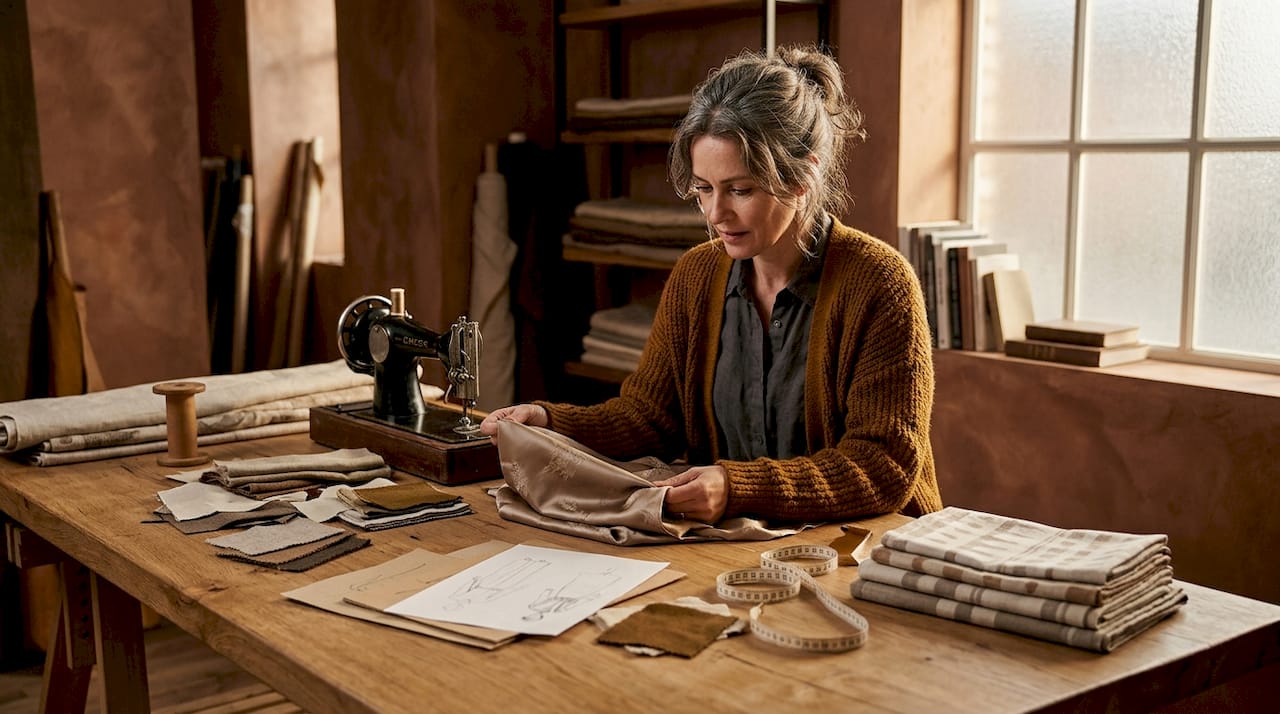
Pro Tip: When updating your wardrobe for modern elegance, start with fabric. Linen, silk blends, and fine-gauge knits move with the body and hold their shape through a full day. Synthetic fabrics that pill or cling undermine even the most thoughtful outfit.
Elegance vs. minimalism vs. luxury: what is the real difference?
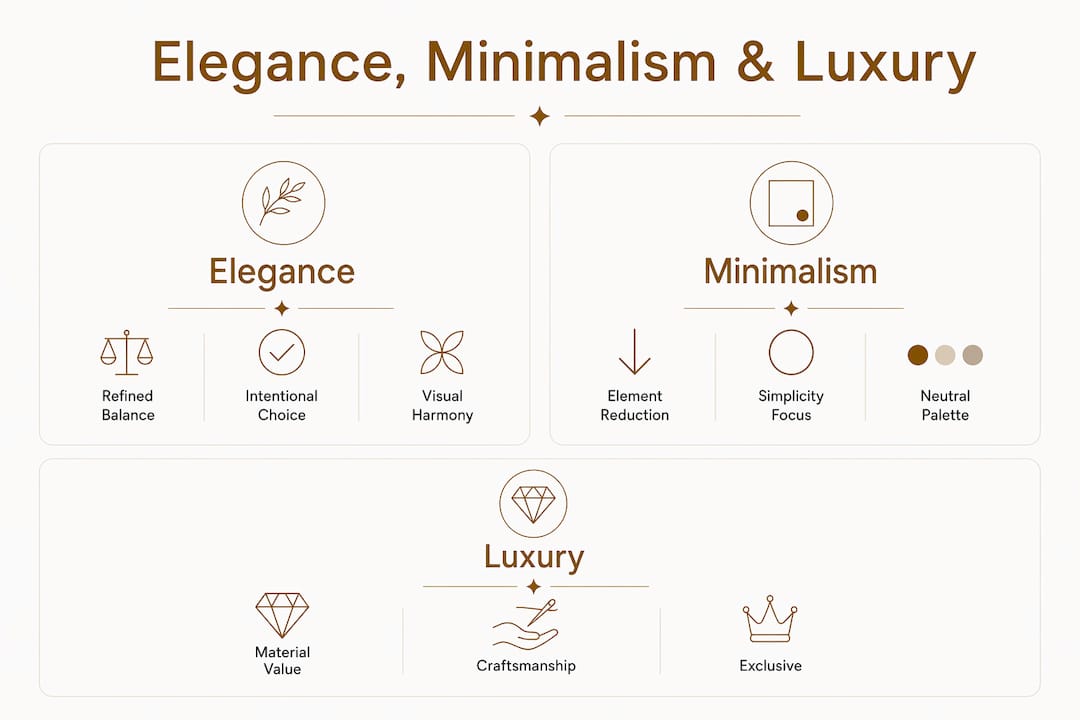
These three concepts are frequently conflated, and the confusion leads to poor styling decisions. Elegance, minimalism, and luxury each operate on different principles.
Elegance uses refinement, not reduction. It balances elements with intention, using negative space to prevent visual clutter without stripping an outfit down to its bare bones. Minimalism, by contrast, removes elements as its primary strategy. A minimalist outfit might be elegant, but elegance can also include layering, texture, and detail as long as every element earns its place.
Luxury is about material value and craftsmanship. A Hermès Birkin bag is luxurious. It may or may not be elegant depending on how it is worn and by whom. Elegance is a social language, not a price point. The “quiet luxury” movement that gained momentum through brands like The Row and Loro Piana demonstrates this distinction well. Understated, logo-free dressing reads as elegant precisely because it signals confidence without needing external validation.
| Concept | Core principle | Relationship to price | Visual signature |
|---|---|---|---|
| Elegance | Refined balance and proportion | Independent of cost | Harmony, intentional detail |
| Minimalism | Reduction and simplicity | Often mid-to-high range | Clean lines, limited palette |
| Luxury | Material quality and craftsmanship | High price point | Premium fabrics, fine construction |
| Fast fashion | Trend replication at speed | Low cost | High volume, short lifespan |
Fast fashion sits at the opposite end of the spectrum from elegance. It prioritises novelty over coherence, and the result is style that expires quickly. True elegance transcends trend cycles by emphasising permanence, clarity, and presence over spectacle. That is why a well-cut wool coat from five years ago still looks current while a trend-driven piece from the same season looks dated.
Pro Tip: Before purchasing a new piece, ask whether it works with at least three things already in your wardrobe. If it only functions as a standalone statement, it is likely a trend buy rather than an elegant addition. Explore minimalist style principles to sharpen this instinct.
Why does negative space matter for achieving elegance?
Negative space in fashion refers to the visual breathing room within an outfit: the unadorned areas that allow the eye to rest and the intentional elements to register clearly. It is the same principle that makes great architecture feel calm and great typography feel readable. Without it, even beautiful individual pieces compete with each other and produce noise rather than harmony.
Achieving elegance through negative space requires a specific discipline:
- Edit before you leave the house. Put on your complete outfit, then remove one accessory. If the look improves or stays the same, the accessory was clutter.
- Limit focal points to one per outfit. A statement earring, a structured bag, or a bold shoe. Not all three simultaneously.
- Treat proportion as the primary variable. A voluminous top calls for a slim bottom. A fitted dress calls for minimal layering. Proportion creates the visual balance that reads as elegant.
- Stress-test your outfit. Emotional stability is critical to elegance, and visible discomfort or constant adjustment destroys elegant presence. Wear your outfit for an hour before a significant occasion to confirm it supports your full range of movement and activity.
“Elegance is ‘misura’: measure, proportion, a code in motion reflecting inner harmony, expressed through style and gestures.” — Lost & Found Italy Magazine
That definition captures something the fashion industry often misses. Elegance is felt and enacted, not merely worn. Posture, the pace at which you move, the quietness of your gestures: these are all part of the elegant presence that clothing supports but cannot create on its own. A perfectly tailored blazer worn with hunched shoulders and visible anxiety reads as anything but elegant.
How can you build elegance into your everyday wardrobe?
Building an elegant wardrobe is not about spending more. It is about choosing with greater precision. The following principles apply whether you are working with a modest budget or investing in higher-end pieces.
Core wardrobe staples that support elegance:
- A well-fitted blazer in a neutral colour (navy, camel, or charcoal grey)
- Tailored trousers with a clean break at the ankle
- A quality knitted set in a fine-gauge fabric
- A structured handbag in a single, versatile tone
- A wool or wool-blend coat that works across multiple outfit contexts
Each of these pieces functions as a foundation. They do not demand attention. They create the conditions for the rest of your outfit to work.
Mixing comfort with style is the defining challenge of modern elegant dressing. The answer lies in fabric and fit. A relaxed silhouette in a premium fabric reads as intentional. The same silhouette in a cheap synthetic reads as casual. Fit is equally critical: clothing that is too tight or too loose signals a lack of attention, which is the opposite of elegance.
Thoughtful accessorising separates polished dressing from merely wearing nice clothes. One quality accessory worn consistently (a silk scarf, a fine gold chain, a leather belt) creates a signature that reads as considered rather than assembled. Avoid matching sets of jewellery, which can feel costume-like rather than elegant.
Sustainable and modular choices support elegant dressing practically. When you invest in pieces that work across seasons and contexts, you build coherence into your wardrobe by default. The benefits of sustainable fashion extend beyond environmental responsibility: fewer, better pieces naturally produce a more elegant result than a wardrobe stuffed with options.
Do’s and don’ts for elegant dressing:
- Do invest in alterations. A $40 hem can make a $60 pair of trousers look like a $200 pair.
- Do keep your colour palette cohesive across your wardrobe so pieces mix naturally.
- Don’t wear logos as a substitute for elegance. Brand visibility is not the same as refined style.
- Don’t follow micro-trends. By the time a trend reaches mass retail, its elegant moment has already passed.
- Do consider ethical fashion choices as part of your elegance practice. Knowing the provenance of what you wear adds a layer of intentionality that is entirely consistent with the philosophy of elegance.
Key takeaways
Elegance in fashion is a philosophy of disciplined balance where every element serves a purpose, and its application produces style that outlasts any single trend cycle.
| Point | Details |
|---|---|
| Elegance is defined by choice | The Latin root legere means “to choose”; elegance is about deliberate selection and omission, not accumulation. |
| Modern elegance prioritises comfort | The 2026 shift toward fluid, comfort-driven dressing reframes elegance as confidence and ease rather than rigid formality. |
| Elegance differs from minimalism and luxury | Elegance refines and balances; minimalism removes; luxury signals material value. They overlap but are not interchangeable. |
| Negative space is a styling tool | Limiting focal points and editing accessories creates the visual harmony that makes an outfit read as elegant. |
| Stress-test your outfits | Emotional composure and physical comfort are prerequisites for elegant presence; clothing must support movement and confidence. |
Elegance is not a destination, it is a practice
I have spent years watching people mistake elegance for a budget category or a dress code. It is neither. The most elegant women I have encountered in fashion circles were not always wearing the most expensive pieces. They were wearing the right pieces, worn with a kind of settled authority that no price tag can manufacture.
What I find genuinely interesting about the current moment in fashion is that the cultural conditions for elegance have never been better. The slow fashion movement, the rejection of logo-heavy dressing, the appetite for quality over novelty: all of these trends point toward the same underlying value that elegance has always represented. We are collectively moving away from fashion as performance and toward fashion as expression.
The uncomfortable truth I have come to accept is that elegance requires self-knowledge before it requires anything else. You cannot dress with proportion and intention if you do not know what you are trying to say. That is why the most practical advice I can offer is not about specific pieces or colour palettes. It is this: spend time understanding what makes you feel genuinely composed, not just dressed up. Elegance follows from that clarity. It does not precede it.
The tradition of elegance, from Chanel’s jersey suits to Armani’s unstructured blazers, has always been about removing the unnecessary to reveal something true. That principle is as relevant in 2026 as it was in 1926. The vocabulary changes. The underlying logic does not.
— Glenville
Discover elegant pieces at 16th Avenue
If you are ready to build a wardrobe that reflects these principles, 16thavenue offers a curated selection of pieces designed for exactly this kind of intentional dressing.
The women’s woolen coat at 16thavenue is a strong starting point: structured enough to anchor an elegant outfit, versatile enough to work across casual and polished contexts. The collection also includes knitted sets and tailored separates that balance comfort with refinement, which is precisely what modern elegant dressing demands. Free shipping to most destinations makes it straightforward to try pieces without commitment. Browse the full collection at 16thavenue.ca and start with one foundational piece rather than a full wardrobe overhaul.
FAQ
What is the role of elegance in fashion?
Elegance in fashion is the principle of refined balance and intentional selection that produces style with lasting presence. It shapes how clothing is designed, worn, and perceived, functioning as a social language that communicates confidence and discernment rather than wealth or trend awareness.
Is elegance the same as minimalism in style?
Elegance and minimalism are related but distinct. Minimalism removes elements as its core strategy, while elegance refines and balances them. An elegant outfit may include layering and detail, provided every element serves a clear purpose and contributes to overall visual harmony.
How does elegance influence fashion trends today?
The 2026 comfort dressing movement reflects elegance’s influence directly: fluid silhouettes, tonal dressing, and quality-focused purchasing all reflect the elegant principle of choosing with intention. Elegance does not follow trend cycles; it shapes the conditions under which lasting trends emerge.
Can elegance be achieved on a modest budget?
Elegance is independent of price. Fit, proportion, fabric quality, and the discipline to edit your choices all contribute more to an elegant result than the cost of individual pieces. A well-fitted garment altered to your measurements will consistently outperform an expensive piece worn without attention to fit.
What is “quiet luxury” and how does it relate to elegance?
Quiet luxury is an approach to dressing that prioritises understated quality over visible branding, and it is one of the clearest expressions of true elegance in contemporary fashion. Brands like The Row and Loro Piana exemplify this approach: the clothing signals refinement through cut, fabric, and proportion rather than logos or trend-driven details.