

The role of genderless fashion in reshaping identity
TL;DR:
- Genderless fashion is a design movement centered on clothing free from traditional gender templates, expanding personal expression and societal norms. It relies on technical principles like zero-gender patterns and adaptable silhouettes to create inclusive, versatile garments that appeal to modern consumers. This approach is both a cultural shift and a strategic market opportunity, driven by increasing demand for authentic, inclusive, and flexible styles.
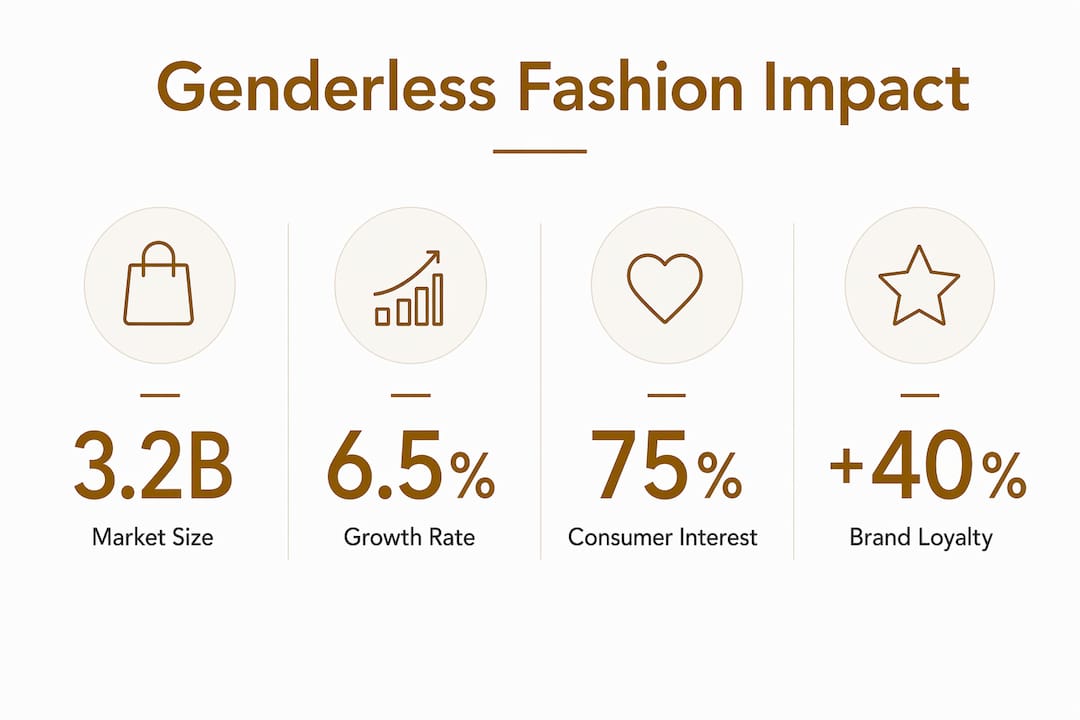
Genderless fashion is clothing designed without gendered templates, cuts, or marketing, and its role in reshaping personal identity and societal norms is now undeniable. The industry term for this practice is gender-neutral design, though “genderless fashion” captures the cultural ambition more precisely. Brands like Telfar, Zara, and The Phluid Project have moved this concept from niche subculture to mainstream retail, and the numbers confirm the shift. The genderless apparel market is valued at $3.2 billion with a 6.5% compound annual growth rate, and 56% of Gen Z already shop outside traditional gendered sections. That is not a trend. That is a structural change in how people relate to clothing.
How does genderless fashion challenge traditional gender norms?
Genderless fashion shifts societal norms by enabling individual expression without the constraints imposed by traditional gender roles. For most of fashion history, clothing was sorted into two rigid categories, each carrying its own silhouettes, colour palettes, and social signals. A man wearing a structured blazer communicated authority. A woman in the same blazer was making a statement. Genderless design removes that loaded subtext entirely by refusing to assign meaning based on who is wearing the garment.
This is more than a cultural movement. It is a direct challenge to the binary assumptions baked into every stage of conventional fashion production, from pattern drafting to retail floor layout. When Zara launched its Ungendered collection and Telfar built its entire brand identity around the slogan “Not for you, for everyone,” they were not just expanding their customer base. They were publicly rejecting the idea that clothing should police identity.
“Fashion has always been a mirror of society. When that mirror stops reflecting only two options, it becomes something far more powerful: a tool for self-definition.”
The practical impact on gender relations is equally significant. Studies on fashion as a cultural movement show that mainstream fashion houses are now softening gender boundaries in their collections, which normalises fluid identity expression for people who never had language for what they were feeling. Adolescents who grew up seeing only binary options in clothing now have visible alternatives, and that visibility matters enormously for self-perception and confidence.
Traditional fashion reinforced a clear divide:
- Gendered fashion: Separate sizing systems, distinct silhouettes, colour-coded marketing, and gendered retail sections that signal who a garment is “for.”
- Gender-neutral fashion: Shared sizing logic, adaptable silhouettes, neutral or deliberately broad colour ranges, and marketing that centres the garment rather than the wearer’s assumed gender.
The shift between these two paradigms is not cosmetic. It reflects a deeper renegotiation of what clothing is actually for.
What are the key design principles in gender-neutral clothing?
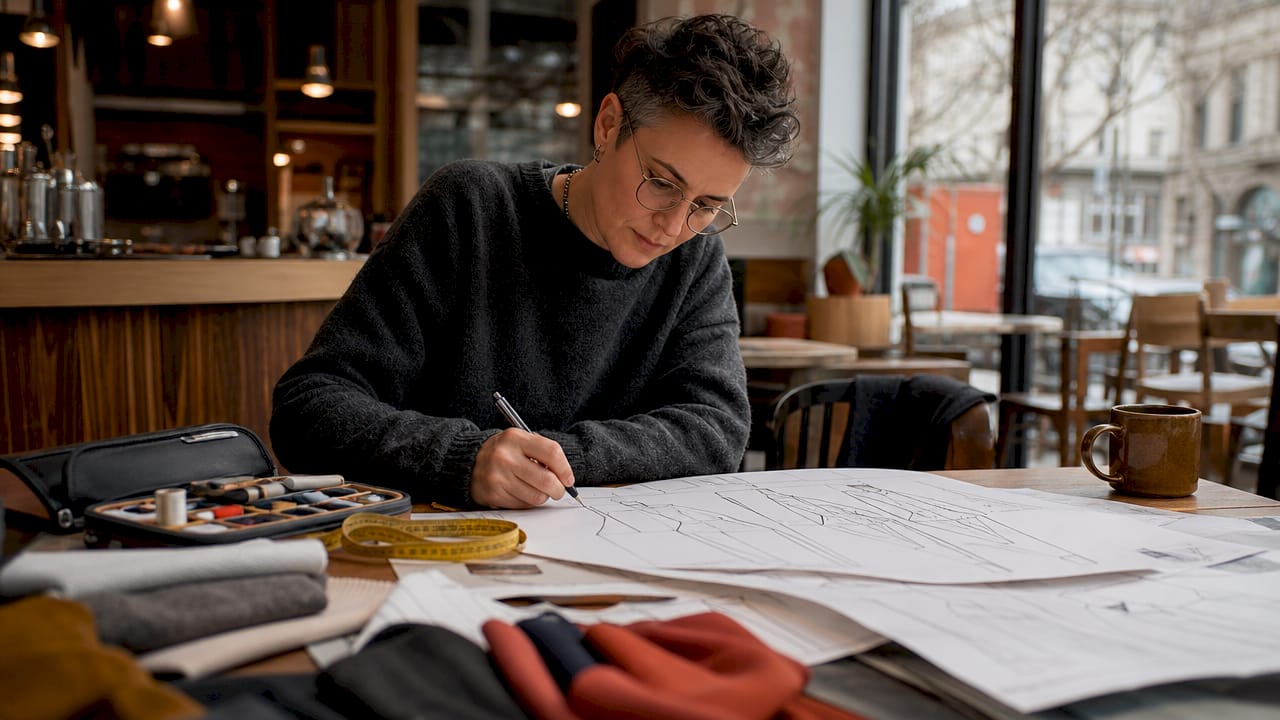
True genderless fashion requires drafting garments without male or female templates, focusing instead on body shape adaptability and inclusive fit. This is where most “unisex” clothing falls short. Dropping a men’s oversized tee into a shared section is not genderless design. It is a repackaged men’s garment with a broader marketing brief.
Authentic gender-neutral design operates on different principles entirely:
- Zero-gender pattern drafting. Patterns are built from body measurements that do not assume a chest-to-waist ratio, hip curve, or shoulder width associated with a specific gender. The garment accommodates the body, not the other way around.
- Modular and adaptive construction. Technical packs for gender-neutral fashion incorporate modular cuts and adaptive features, such as adjustable waistbands, flexible closures, and convertible lengths, that allow a single garment to fit a genuinely diverse range of bodies.
- Silhouette neutrality. Silhouettes avoid the exaggerated waist suppression of womenswear and the boxy drop-shoulder of menswear. The result is a shape that reads as neither, or as both, depending on how it is worn.
- Colour and material without gender coding. Colour choices move beyond the pink-blue binary, and fabric weights are chosen for function and drape rather than gendered convention.
The next frontier in design is zero-gender template pattern drafting, which moves well beyond the loose-fit shortcut that dominated early unisex apparel. Brands like Neutrøise are already there, using adjustable closures and flexible sizing to meet diverse fit needs without compromising the garment’s aesthetic integrity.
Pro Tip: When shopping for gender-neutral pieces, prioritise garments with adjustable features like drawstrings, elastic waistbands, or snap closures. These details signal genuine inclusive design rather than a rebranded oversized fit.
Versatility is the practical payoff of all this technical work. A well-designed gender-neutral coat, for example, reads as polished on a broad-shouldered frame and equally sharp on a narrower one, without alteration. That kind of adaptability is what separates inclusive fashion trends from marketing language.
What business and market impacts does genderless fashion have?
The commercial case for gender-neutral clothing is as strong as the cultural one. 75% of consumers weigh a brand’s commitment to inclusion and diversity as critical to their purchasing decisions. That figure means genderless lines are not a goodwill gesture. They are a direct response to where purchasing power is moving.
| Business factor | Impact of genderless fashion |
|---|---|
| Market size | $3.2 billion globally, growing at 6.5% annually |
| Consumer demand | 56% of Gen Z shop outside gendered sections |
| Inventory management | Shared lines reduce SKU complexity and overstock risk |
| Brand loyalty | Inclusion commitment drives repeat purchase and advocacy |
| Addressable market | One product line reaches multiple customer segments simultaneously |
Genderless fashion expands the addressable market, simplifies inventory management, and strengthens brand loyalty, three outcomes that any retailer would prioritise. For smaller brands, the inventory benefit alone is significant. A single shared collection requires fewer size runs and less gendered stock separation, which reduces both production costs and markdown risk.
The challenges are real, though. Inclusive design must integrate diversity visibly in both product and marketing, and brands that treat it as a checkbox exercise face immediate consumer backlash. Sizing communication is also genuinely difficult. When you remove gendered sizing labels, you need a replacement system that is equally intuitive, and most brands have not solved this cleanly yet.
Pro Tip: If you are a fashion retailer exploring a genderless line, study how fashion trends shape retail before committing to a sizing system. The brands that succeed communicate fit through body measurements and garment dimensions, not abstract size labels.
Brand leaders now view gender-neutral fashion as both an ethical commitment and a clear business case. The two are not in tension. A brand that builds genuine inclusivity into its design process earns the trust of a consumer segment that is growing faster than any other demographic in fashion retail.
How can you incorporate gender-free style into your personal wardrobe?
Building a wardrobe around gender-neutral principles does not require discarding everything you own. It starts with identifying the pieces that already work across conventional style categories and expanding from there.
- Start with outerwear and layering pieces. Coats, jackets, and overshirts are the easiest entry point because their silhouettes are already less gender-coded than fitted tops or tailored trousers. A well-cut wool coat or a structured bomber reads as sharp on any body.
- Choose brands that design for fit, not gender. Look for labels that publish garment measurements alongside size labels. This signals that the brand has thought about actual bodies rather than assumed ones.
- Prioritise adaptable basics. Wide-leg trousers, straight-cut denim, and boxy knitwear are the foundation of any gender-neutral wardrobe. They layer well, style in multiple directions, and do not rely on gendered silhouette cues to look intentional.
- Experiment with colour without a rulebook. Gender-free style removes the obligation to stay within colour palettes associated with your gender. Wear the burgundy, the slate blue, the cream. Colour is one of the fastest ways to signal that you are dressing for yourself.
- Use inclusive sizing guides to find your fit. When sizing labels are ambiguous, garment measurements are your most reliable tool. Chest width, body length, and sleeve length tell you more than a number ever will.
The deeper principle here is that genderless fashion empowers authentic identity expression by removing binary clothing restrictions. You are not dressing to signal membership in a category. You are dressing to express who you actually are, which is a more interesting and more personal project entirely. Adaptable styles that transition across contexts, like those explored in gym-to-street styling, show how versatile gender-neutral dressing can be in practice.
Key takeaways
Genderless fashion is a design-led, market-validated movement that removes binary clothing constraints to expand personal expression and commercial reach simultaneously.
| Point | Details |
|---|---|
| Design starts at the pattern stage | True gender-neutral clothing is drafted without male or female templates, not just resized or rebranded. |
| Market growth is measurable | The sector is worth $3.2 billion globally and growing at 6.5% annually, driven by Gen Z demand. |
| Inclusion drives purchasing decisions | 75% of consumers factor brand inclusion commitment into buying choices, making this a commercial priority. |
| Adaptive features define authenticity | Adjustable closures, modular cuts, and flexible sizing separate genuine genderless design from oversized basics. |
| Personal style benefits are immediate | Gender-neutral pieces offer greater versatility, longevity, and self-expression than category-coded alternatives. |
Why genderless fashion is the most honest thing happening in style right now
I have spent years watching fashion cycle through trends that claim to be movements. Genderless fashion is different, and I say that having been sceptical of it for longer than I should have been. What changed my view was not a runway show. It was watching someone pick up a garment, try it on, and look genuinely at ease in it for what seemed like the first time. That is not a trend. That is design doing its actual job.
What strikes me most is where the real work happens: at the pattern stage, before a single seam is sewn. The quiet shift in pattern-stage design choices that eliminate gender assumptions is the least visible and most consequential change in fashion right now. Most consumers will never know it happened. They will just notice that the coat fits, that the trousers drape correctly, that they do not have to choose between a garment that fits their body and one that fits their identity.
The brands getting this right are not the loudest ones. They are the ones quietly rebuilding their technical packs from the ground up. The ones making noise about genderless fashion while still drafting from a men’s block with a wider hem are missing the point entirely. Authenticity in this space is technical before it is cultural, and readers who care about inclusive style should learn to tell the difference.
— Glenville
Explore versatile style at 16thavenue
16thavenue carries outerwear and wardrobe staples that prioritise fit, versatility, and modern style without rigid gender coding. If you are building a wardrobe around pieces that work harder and express more, the women’s trendy woolen coat is a strong starting point. Its structured silhouette and neutral palette make it one of those rare pieces that adapts to the wearer rather than dictating to them. 16thavenue also offers sport sneakers and fashion snow boots that complement a gender-neutral wardrobe with the same emphasis on comfort and adaptability. Free shipping to most destinations makes it easy to explore without commitment.
FAQ
What is gender-neutral fashion, exactly?
Gender-neutral fashion, also called genderless fashion, refers to clothing designed without gendered sizing, cuts, or marketing. The goal is garments that fit and flatter diverse bodies without assuming the wearer’s gender.
How does genderless fashion promote equality?
By removing the social signals embedded in gendered clothing, genderless fashion reduces the pressure to conform to binary identity categories. This supports broader personal freedom and challenges the idea that clothing should define or restrict who someone is.
Is genderless fashion the same as unisex clothing?
Not exactly. Unisex clothing typically adapts existing gendered garments, often men’s cuts, for a broader audience. True genderless fashion is drafted from scratch without any gendered template, producing a fundamentally different fit and silhouette.
Which brands are leading in genderless fashion?
Telfar, The Phluid Project, Zara’s Ungendered line, and Neutrøise are among the most recognised names building genuine gender-neutral collections. Each takes a different approach, from luxury to accessible retail, but all prioritise design over gender assumption.
How do I find my size in genderless clothing?
Use garment measurements rather than size labels. Look for chest width, body length, and waist circumference listed in the product details. Brands committed to inclusive design publish these figures clearly, and an inclusive sizing guide can help you translate measurements into confident choices.