

The role of microtrends in style: a 2026 guide
TL;DR:
- Microtrends are short-lived fashion shifts driven by social media that peak within days and fade within months. They can influence personal style positively when adopted selectively using trend deconstruction and the 70/20/10 wardrobe rule, reducing waste and homogenization. Embracing a deliberate approach to microtrends supports sustainability and longevity in style while resisting mindless consumption.
Microtrends are defined as fast-moving, short-lived fashion trends that emerge, peak, and fade within weeks rather than seasons. The role of microtrends in style has grown dramatically as social media algorithms replace traditional runway calendars. The microtrend-driven fashion industry is valued at $14 billion as of 2025 and growing at roughly 17% annually, fuelled by Gen Z’s appetite for constant newness. Specific patterns like “Big Dots” are projected to surge by 147% within a single quarter. That kind of velocity signals a fundamental shift in how fashion works and how you build a personal style within it.
How does social media drive the rise of microtrends?
Social media platforms have replaced the traditional seasonal fashion calendar with a continuous, overlapping stream of microtrend cycles. Fashion’s cycle has shifted from predictable seasonal drops to unpredictable, overlapping waves with no pause between them. A creator posts a styling video, the algorithm amplifies it to millions of viewers overnight, and a trend is born before any brand has had time to plan a collection.
The viral lifecycle of a microtrend is brutally short. Trends peak within 48–72 hours of going viral, and garments produced for those trends lose both their aesthetic appeal and structural integrity within 3–6 months. That speed creates enormous pressure on fashion enthusiasts to buy fast and buy often.
Here is how the microtrend machine operates at each stage:
- Discovery: A creator or influencer wears a specific colour, silhouette, or print. The algorithm pushes the content to users with matching interests.
- Amplification: Duets, reposts, and styling videos multiply the trend’s reach within hours.
- Retail response: Fast-fashion producers manufacture versions of the look within days, flooding online shops.
- Saturation: The trend becomes so widespread it loses its appeal, often within two to four weeks.
- Abandonment: Consumers move on, leaving a wardrobe full of pieces worn once or twice.
Pro Tip: Follow trend forecasters rather than individual viral posts. Forecasters identify patterns weeks before they peak, giving you time to decide whether a microtrend genuinely fits your style before the market floods with cheap versions.
What impact do microtrends have on personal style and identity?
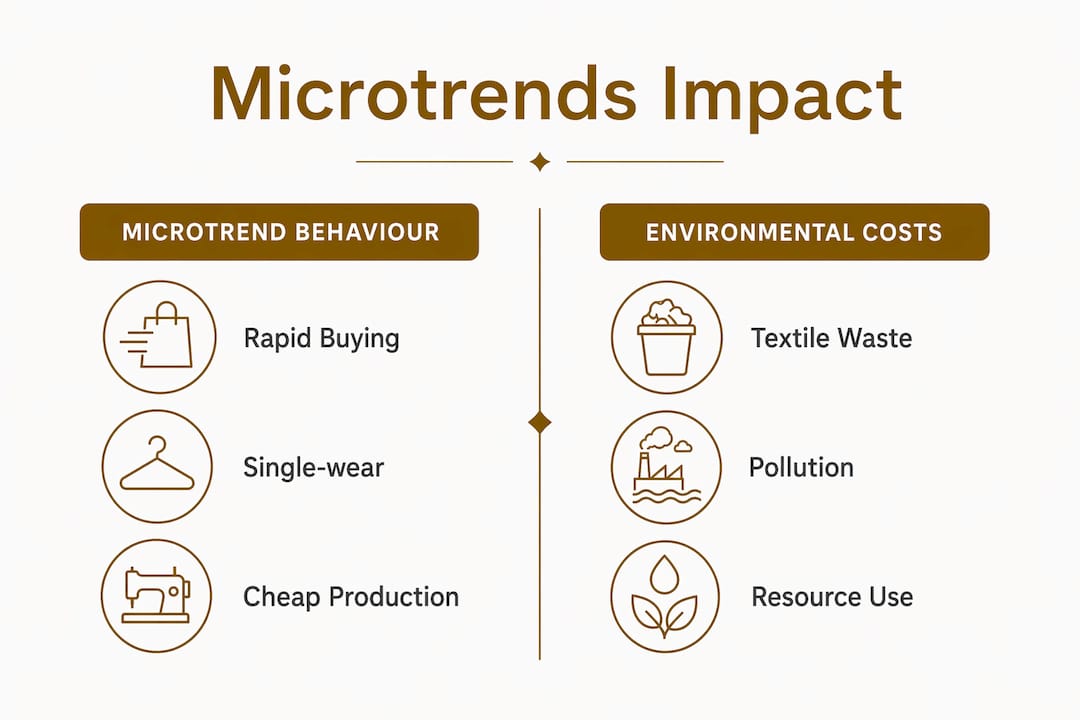
Microtrends fuel a paradox: they promise individuality but often produce the opposite. When millions of people buy the same viral piece at the same moment, the result is a homogenised look that erases the personal expression the trend was supposed to enable. This tension sits at the heart of how microtrends influence fashion identity.
Gen Z consumers are increasingly prioritising personal style and sustainability over constantly chasing microtrends. That shift signals a broader cultural correction. Trend fatigue is real, and it is pushing fashion enthusiasts toward a more deliberate relationship with what they wear.
The psychology behind microtrend participation follows a recognisable pattern:
- Novelty attraction: A new look feels exciting and culturally relevant, triggering the desire to participate.
- Social validation: Wearing a trending piece signals membership in a cultural moment, which feels rewarding.
- Rapid disillusionment: Once the trend saturates, the piece feels dated and the wearer feels out of step.
- Identity reset: The cycle repeats, often leaving the fashion enthusiast with a cluttered wardrobe and a blurred sense of personal style.
Breaking this cycle requires a clear understanding of what your personal style actually is before a trend arrives. Style authenticity is not about ignoring trends. It is about knowing which trends genuinely extend your existing aesthetic and which ones simply respond to algorithmic pressure. The role of trends in style evolution is most positive when trends serve your wardrobe rather than replace it.
What are the sustainability challenges linked to microtrends?
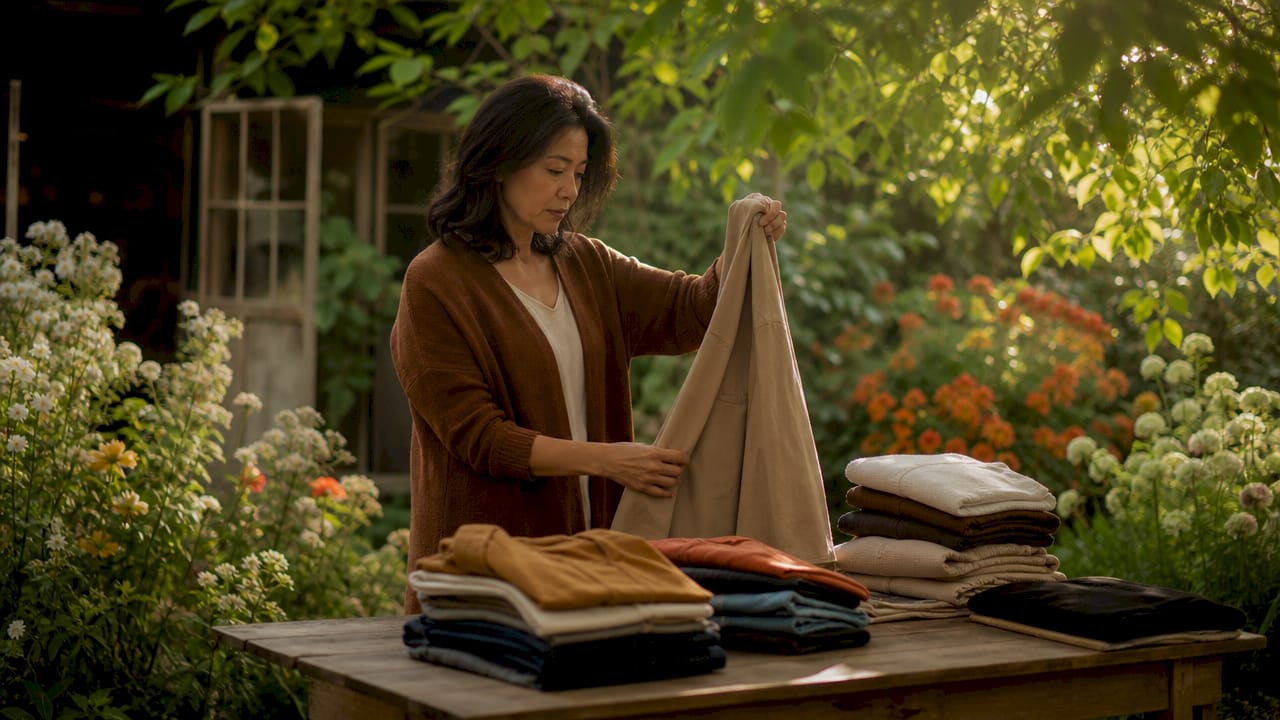
The environmental cost of microtrend culture is severe and measurable. Approximately 85% of all textiles produced each year end up in landfills, a figure directly worsened by the single-wear mentality that microtrends encourage. A garment bought to participate in a two-week trend rarely gets worn again.
Cheap production compounds the problem. Microtrend garments are produced cheaply to meet viral demand but degrade quickly, which means they cannot be repaired, resold, or donated effectively. Synthetic fabrics used in fast production also shed microplastics during washing, adding an invisible layer of environmental damage.
| Microtrend behaviour | Environmental consequence |
|---|---|
| Single-wear purchasing | Garments discarded after one or two uses |
| Cheap synthetic fabrics | Microplastic shedding and non-biodegradable waste |
| Overproduction to meet viral demand | Surplus stock sent directly to landfill |
| Short trend lifespan | Rapid wardrobe turnover and increased textile waste |
The fast fashion impact on the planet is not abstract. Every microtrend cycle adds to a system already producing more textile waste than it can manage. The good news is that fashion enthusiasts have real alternatives. Buying second-hand, choosing natural fibres, repairing garments, and investing in sustainable fashion choices all reduce the footprint of trend participation without requiring you to opt out entirely.
Pro Tip: Before buying a microtrend piece, ask whether you would still wear it in six months. If the honest answer is no, look for a second-hand version or skip it entirely. Your wardrobe and the planet both benefit.
How can you incorporate microtrends into a lasting personal style?
The most effective method for integrating microtrends without losing your personal style is called Trend Deconstruction. Stylists recommend breaking a trend into its component parts: colour, texture, print, and silhouette. You then adopt only the element that genuinely fits your existing wardrobe rather than buying the full trending look wholesale.
For example, if a maximalist floral print is trending, you do not need to wear head-to-toe florals. A single floral accessory or a blouse in the trending colour palette achieves the same cultural relevance without committing your entire wardrobe to a look that may feel dated in a month.
The 70/20/10 wardrobe rule provides a practical framework for this balance. The breakdown works as follows:
- 70% timeless staples: Classic cuts, neutral colours, and quality fabrics that work across seasons and years.
- 20% slow trends: Styles with a longer lifespan, typically 12–24 months, that reflect broader cultural shifts rather than viral moments.
- 10% microtrend accents: Specific pieces or accessories that engage with current viral trends without dominating your wardrobe.
Brands that chase every microtrend risk damaging their reputation through inconsistent identity. The same principle applies to personal style. Selective, intentional engagement with microtrends builds a more coherent and recognisable look than reactive purchasing ever will.
A capsule wardrobe approach supports this framework naturally. When your wardrobe foundation is strong, adding a microtrend accent feels intentional rather than impulsive. Quality matters here. A well-made piece in a trending silhouette will outlast the trend itself and continue earning its place in your wardrobe long after the algorithm has moved on.
Pro Tip: When evaluating a microtrend piece, check the quality of its construction before purchasing. Stitching, fabric weight, and finish quality predict how long a garment will hold up, regardless of how quickly the trend fades.
Key takeaways
Microtrends shape personal style most positively when fashion enthusiasts adopt selective elements through Trend Deconstruction and the 70/20/10 wardrobe rule, rather than chasing every viral look.
| Point | Details |
|---|---|
| Microtrends move fast | Trends peak within 48–72 hours, making reactive purchasing costly and wasteful. |
| Homogenisation is a real risk | Chasing every trend erodes personal style rather than expressing it. |
| Environmental cost is high | 85% of textiles end up in landfills, worsened by single-wear microtrend culture. |
| Trend Deconstruction works | Adopt one element (colour, texture, or silhouette) rather than the full trending look. |
| The 70/20/10 rule anchors your wardrobe | Keep 70% staples, 20% slow trends, and 10% microtrend accents for lasting cohesion. |
Microtrends are a tool, not a rulebook
I have watched fashion enthusiasts burn through wardrobes and budgets chasing trends that were already fading by the time the parcel arrived. The most stylish people I know are not the fastest adopters. They are the most selective ones.
What I find genuinely interesting about the current moment is that the backlash against microtrend culture is being led by the same generation that created it. Gen Z built the viral trend machine on TikTok, and now many of them are the loudest voices calling for slower, more intentional style. That is not a contradiction. It is a sign of a generation that learned quickly and is correcting course.
My honest position: microtrends are not the enemy of personal style. Mindless participation is. When you treat a microtrend as a single ingredient rather than the whole recipe, it becomes a genuinely useful creative tool. A trending colour in a quality fabric, worn with pieces you have owned for years, is not a compromise. It is exactly how style evolves.
The fashion industry will keep accelerating. Algorithms will keep surfacing new looks every 48 hours. Your job is not to keep up. Your job is to know yourself well enough to know what is worth picking up and what is worth leaving on the feed.
— Glenville
Style that lasts beyond the algorithm
16thavenue curates women’s fashion with exactly this balance in mind: pieces that carry genuine style weight beyond a single season, alongside trend-forward accents that feel current without feeling disposable.
The Women’s Trendy Autumn and Winter Woolen Coat is a strong example of this approach. It brings a current silhouette and rich seasonal colour to a construction built for multiple winters of wear. That is the 70% foundation of your wardrobe doing its job. 16thavenue also carries footwear like the Women’s Casual Low Wedge Breathable Non-Slip Comfort Sport Sneakers, which blend current styling with the kind of everyday wearability that outlasts any single trend cycle. Browse the full collection at 16thavenue.ca and build a wardrobe that works on your terms.
FAQ
What is a microtrend in fashion?
A microtrend is a fast-moving, short-lived fashion trend that emerges and fades within weeks, typically driven by social media algorithms rather than traditional runway cycles. Unlike macro trends, microtrends often peak within 48–72 hours of going viral.
How do microtrends affect personal style?
Microtrends can enrich personal style when adopted selectively, but chasing every viral look tends to homogenise individual expression. Stylists recommend using Trend Deconstruction to adopt only the colour, texture, or silhouette element that fits your existing wardrobe.
Are microtrends bad for the environment?
Microtrend culture significantly worsens textile waste, with approximately 85% of all textiles produced annually ending up in landfills. The single-wear mentality and cheap synthetic fabrics associated with microtrend garments compound this environmental impact.
What is the 70/20/10 wardrobe rule?
The 70/20/10 rule structures your wardrobe as 70% timeless staples, 20% slow trends with a longer lifespan, and 10% microtrend accents. This framework keeps your style cohesive while still allowing you to engage with current trends.
How can I participate in microtrends without overspending?
Buy second-hand versions of trending pieces, adopt only one element of a trend rather than the full look, and apply the 70/20/10 rule to limit microtrend spending to roughly 10% of your wardrobe budget. Quality over quantity applies even to trend-driven purchases.