


What is vegan leather? A stylish guide to ethical fashion
TL;DR:
- Vegan leather includes synthetic and plant-based materials with different environmental impacts.
- Real leather lasts longer but involves animal harm and environmental issues during production.
- Thoughtful shopping involves asking about material specifics, brand transparency, and product longevity.
If you’ve ever picked up a bag labelled “vegan leather” and assumed you were making the greenest choice possible, you’re not alone. The reality is far more layered. Why sustainable fashion matters has become a defining conversation in women’s style circles, and vegan leather sits right at the heart of it. Some versions genuinely reduce harm. Others simply swap one problem for another. This guide breaks down every major type of vegan leather, compares it honestly to traditional animal leather, and gives you the tools to shop in a way that reflects both your style and your values.
Table of Contents
- What is vegan leather and why it matters
- Types of vegan leather: materials, innovations, and how they’re made
- The vegan vs. traditional leather comparison that matters
- How to shop consciously: tips for choosing vegan leather fashion
- Our take: the real path to cruelty-free yet truly sustainable style
- Looking for cruelty-free style? Shop our conscious picks
- Questions about vegan leather
Key Takeaways
| Point | Details |
|---|---|
| Not all vegan leathers equal | Vegan leather can be made from plastics or plants, each with different environmental impacts. |
| Durability varies widely | Animal leather usually lasts longer, but some new vegan leathers offer reasonable performance. |
| Sustainability is nuanced | Vegan does not always mean eco-friendly—check for plant-based content and lifecycle info. |
| Shopping consciously matters | Look for transparency, credible eco-certifications, and buy only what you love. |
What is vegan leather and why it matters
Vegan leather is any material engineered to look, feel, and function like animal leather without using any animal skin or hide. That broad definition is exactly what makes it so fascinating and so confusing at the same time. Two main families exist within this space: synthetic-based options and plant-based options. Each has a very different story.
Synthetic vegan leathers, made primarily from polyurethane (PU) or polyvinyl chloride (PVC), have dominated the affordable fashion market for decades. They are inexpensive to produce, consistent in texture, and widely available. The trade-off is that they are essentially plastic. They rely on fossil fuels and can shed microplastics into waterways throughout their lifespan, meaning they solve the animal welfare problem while creating an environmental one.
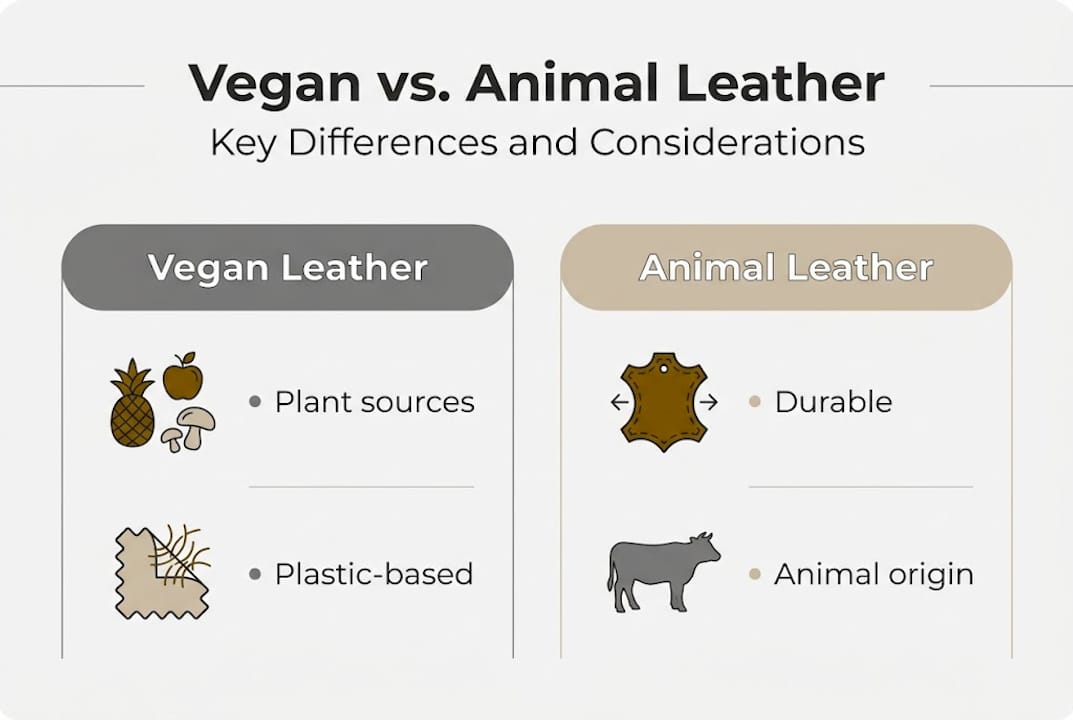
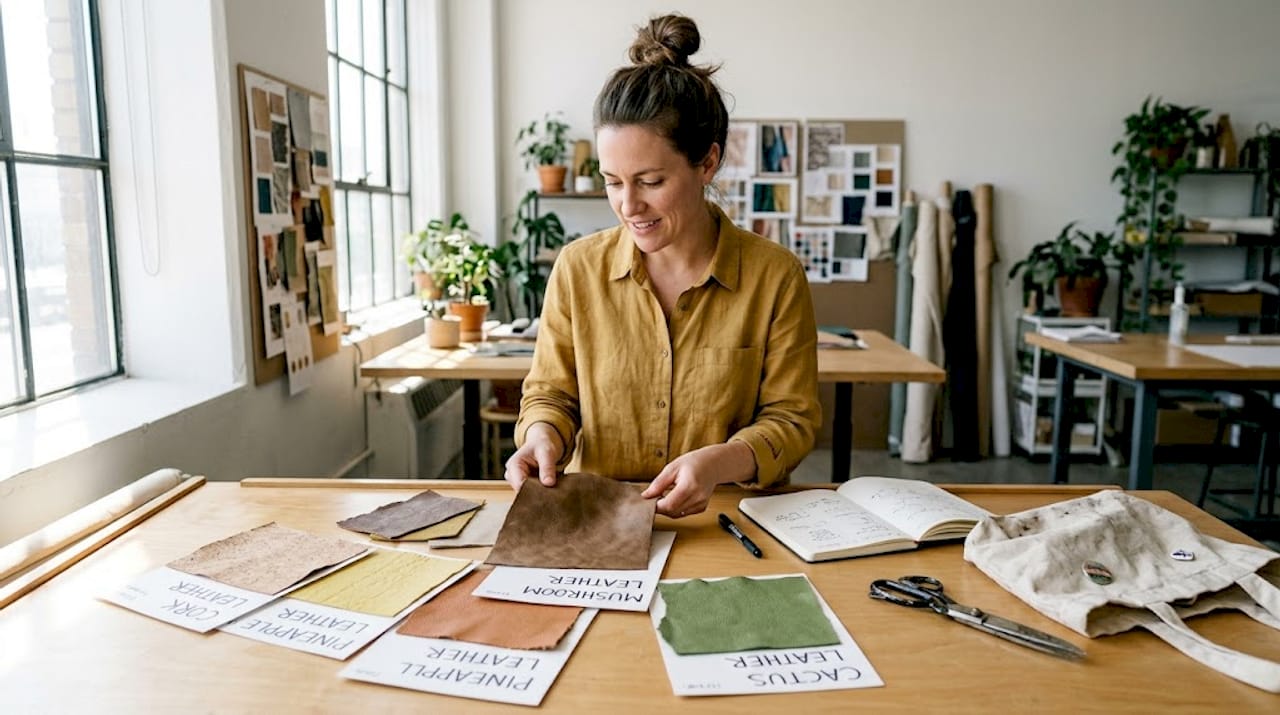
Plant-based vegan leathers are the newer, more exciting category. Agricultural waste materials like pineapple leaves (sold as “Piñatex”), cactus leaves (“Desserto”), apple peels, mushroom mycelium, and cork are all being transformed into leather alternatives. These materials are often byproducts of food production, which means they make use of something that would otherwise be discarded.
Here is a quick look at what drives shoppers toward vegan leather in the first place:
- Animal welfare: No hides means no animals harmed in production
- Environmental awareness: Growing concern over the carbon and water footprint of cattle farming
- Fashion trends: Major designers and fast-fashion brands alike are investing heavily in these alternatives
- Personal values: Many women want their wardrobe to reflect their ethics without sacrificing style
“The appeal of vegan leather is undeniable, but choosing it thoughtfully means going beyond the label and asking what it is actually made from.”
Exploring what sustainable fashion really means gives you a much stronger foundation for these decisions. The point is not to feel guilty about every purchase but to become a more informed shopper.
Types of vegan leather: materials, innovations, and how they’re made
With a clear understanding of what vegan leather means, let’s break down the actual materials and methods behind these alternatives.
PU and PVC synthetic leathers remain the most common options on the market. They are produced by coating a fabric base with layers of plastic polymer. PU is generally considered less toxic than PVC during production, but both are petroleum-derived and not biodegradable. They are affordable and widely available, which is why they appear in everything from fast-fashion accessories to budget footwear.
Plant-based leathers are genuinely different in character. Piñatex offers up to 91% CO2 reduction compared to conventional leather, using pineapple leaf fibres that are a byproduct of the fruit harvest. However, most plant-based leathers still require synthetic binders, such as plastic resin coatings, to achieve the strength and water resistance needed for fashion use. This limits how biodegradable they ultimately are.
| Material | Source | CO2 impact | Key limitation | Best use cases |
|---|---|---|---|---|
| PU leather | petroleum | moderate | microplastics, not biodegradable | bags, shoes, jackets |
| PVC leather | petroleum | high | toxic production, not biodegradable | budget accessories |
| Piñatex | pineapple leaves | very low | synthetic binders reduce biodegradability | bags, wallets, shoes |
| Desserto | cactus | very low | partial synthetic content | fashion accessories |
| Apple leather | apple peels/cores | low | limited durability | small leather goods |
| Cork leather | cork oak bark | very low | texture limitations | wallets, bags |
| MyloTM (mushroom) | mycelium | low | availability, cost | luxury fashion |
Here is how to interpret what you find on product labels:
- Look for the percentage of bio-based content stated by the brand
- Check whether a synthetic backing or binder is included in the construction
- Research whether the brand has third-party certifications for their material claims
- Consider the product’s intended lifespan and whether care instructions support durability
Making ethical fashion choices means going beyond the surface-level appeal of a label and asking better questions of the brands you support.
Pro tip: If a vegan leather product doesn’t mention the specific material it’s made from, that’s often a sign it’s standard PU or PVC. True innovation brands are proud to name their ingredients.
The vegan vs. traditional leather comparison that matters
Knowing the range of vegan leathers, it’s time to weigh their true strengths and drawbacks against traditional animal leather.
Traditional animal leather is remarkably durable. Real leather can last 10 to 20+ years with proper care, which means a well-made leather bag purchased today could still look beautiful in two decades. That longevity reduces the need for replacement, which has genuine environmental value. The problems, however, are significant. The cattle industry is a major source of methane emissions. The tanning process, especially chrome tanning, uses toxic chemicals and heavy water resources.
Synthetic vegan leather avoids the animal ethics issue entirely, but it introduces plastic pollution and microplastics as a real concern. Most PU leather products crack and peel within two to four years, meaning they end up in landfill far sooner than their animal-leather counterparts. The cycle of frequent replacement actually increases a shopper’s overall footprint over time.
| Factor | Traditional leather | PU/PVC vegan | Plant-based vegan |
|---|---|---|---|
| Animal welfare | poor | excellent | excellent |
| Carbon footprint | high | moderate | low to very low |
| Product lifespan | 10 to 20+ years | 2 to 4 years | 3 to 8 years (improving) |
| End of life | partially biodegradable | not biodegradable | partially biodegradable |
| Water use | very high | moderate | low |
| Cost | high | low | moderate to high |
Some key takeaways from the comparison:
- No option is perfect across every category
- Plant-based leathers perform best overall when bio-based content is high
- The most sustainable choice is often the one you keep and care for the longest
- “Animal-free” branding alone does not make a product eco-friendly
For those thinking about investment pieces, understanding what makes quality handbags last connects directly to this sustainability thinking. A well-made piece you love for years beats a trendy buy you replace every season.
How to shop consciously: tips for choosing vegan leather fashion
Armed with knowledge of the comparisons, you can now shop for vegan leather more strategically and ethically.
- Ask about the specific material: Don’t settle for “vegan leather” as an answer. Ask whether it’s PU, Piñatex, Desserto, mycelium-based, or something else entirely. The more specific the answer, the more trustworthy the brand.
- Check for transparency in manufacturing: Does the brand share where and how their products are made? Supply chain transparency is a genuine marker of commitment to sustainability in fashion.
- Look at bio-based content percentages: A material marketed as “cactus leather” may be only 30% cactus with 70% PU backing. Higher bio-based content generally means better environmental outcomes.
- Read care instructions carefully: Products with detailed care guidance are built to last. Full lifecycle thinking matters far more than a single label claim.
- Search for certifications: Look for Global recycled Standard (GRS), bluesign, or certified B corporation status as indicators of genuine commitment to ethical production.
“The most sustainable garment is always the one that stays in your wardrobe the longest, regardless of what it’s made from.”
Exploring eco-friendly beauty and fashion choices and embracing slow fashion principles will reinforce the same mindset. Buy less. Choose better. Keep longer.
Pro tip: Before purchasing a vegan leather item, look up the brand’s sustainability page. If they publish lifecycle data or material sourcing details, that transparency is a very good sign.
Our take: the real path to cruelty-free yet truly sustainable style
Here is the truth nobody really wants to hear: there is no perfect material. Every option involves a compromise. Traditional leather involves serious animal and environmental harm. PU and PVC leather are plastic products that pollute and degrade quickly. Plant-based leathers are promising but still rely on synthetic components and aren’t widely available at scale.
We believe the path forward isn’t about finding an ideal material. It’s about making progressively better choices and asking harder questions of the brands you buy from. When you explore ethical fashion guidance and demand transparency, you push the entire industry toward genuine improvement. Your shopping choices are a form of advocacy.
Fashion progress means choosing materials with lower impact when they’re available, caring for what you own so it lasts longer, and holding brands accountable when their marketing outpaces their actions. That’s the real standard worth aiming for.
Looking for cruelty-free style? Shop our conscious picks
If this guide has inspired you to think differently about your wardrobe, you’re in exactly the right place. At 16th Avenue, we curate pieces designed for the modern woman who wants to look incredible without compromising her values.
From cosy woollen coats for the season to endlessly wearable breathable everyday sneakers, our collections are built around quality, longevity, and style you’ll actually reach for again and again. Shop the full collection at 16th Avenue and find pieces that feel as good as they look.
Questions about vegan leather
What is vegan leather actually made from?
Vegan leather can be made from synthetic materials like PU or PVC, as well as plant-based sources such as pineapple leaves, cactus, apple peels, or mushrooms.
Does vegan leather last as long as real leather?
Most vegan leathers are less durable than real leather, which can last 10 to 20 years, though new plant-based innovations are steadily improving lifespan.
Is vegan leather always better for the planet?
Not always. While it avoids animal farming, many types use plastic, and equating vegan with sustainable ignores the full lifecycle of the product.
What should I look for when buying vegan leather?
Check for a high percentage of plant-based content, brand transparency about materials and manufacturing, and third-party certifications that verify genuine eco-standards.