


What is activewear fashion? Your 2026 style guide
TL;DR:
- Activewear fashion combines technical performance fabrics with deliberate styling, now central to women’s everyday wardrobes. The market reached $546 billion by 2024, reflecting a lasting shift toward versatile, performance-based clothing. Trend-forward pieces like satin and striped track pants are gaining popularity, emphasizing a balance of style and function.
Activewear fashion is clothing designed to combine athletic function with deliberate style, letting you move freely during physical activity while looking intentional outside the gym. The global activewear market reached $546 billion by 2024, growing at a compound annual rate of 6.5% since 2017. That scale reflects a fundamental shift: performance clothing is no longer a separate wardrobe category. It sits at the centre of how fashion-conscious women dress every day.
What is activewear fashion and what makes it distinct?
Activewear fashion is defined as clothing engineered for physical performance and styled for everyday wear. The industry term “performance apparel” covers the technical side, while “activewear fashion” captures the aesthetic dimension that has made this category so dominant in women’s wardrobes.
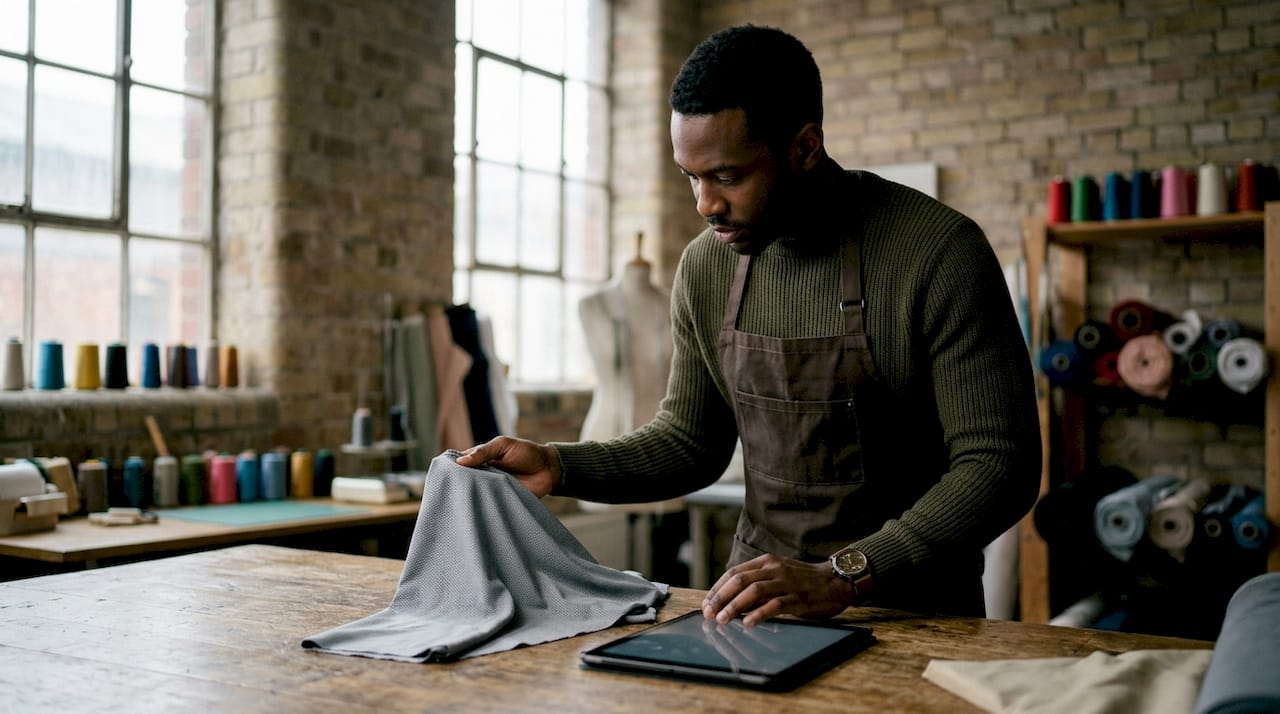
The modern activewear market recognises women’s needs for both high performance and high fashion. Designers no longer simply scale down men’s athletic clothing. They build garments from the ground up with women’s movement patterns, body shapes, and style preferences in mind. That shift in design philosophy is what separates contemporary activewear from the basic gym gear of a decade ago.
Three qualities define the category. First, the fabric must support movement without restriction. Second, the silhouette must translate from a workout setting to a casual one. Third, the colour palette and finish must feel intentional, not purely utilitarian. When all three align, you get activewear fashion at its best.
Key features and fabrics that define modern activewear
Functional fabric construction is the foundation of every activewear piece worth buying. Stretch, breathability, and moisture management are not optional extras. They are the baseline requirements that separate activewear from ordinary casual clothing.
Advanced textile technology produces fabrics that are simultaneously durable, lightweight, stretchy, and breathable. Four-way stretch fabrics move with the body in every direction. Moisture-wicking fibres pull sweat away from the skin and allow it to evaporate quickly. Mesh panels and perforated zones add ventilation without compromising structure.
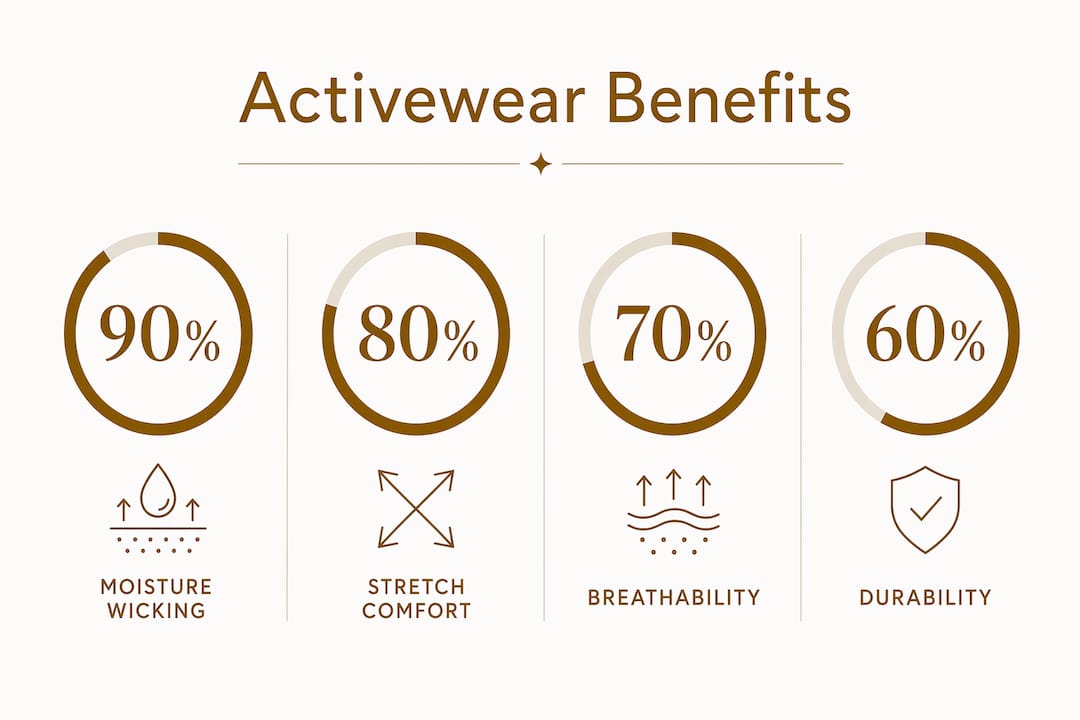
Silhouette design has become just as important as fabric performance. V-front waist pants have seen a 44% increase in adoption, while V-waist leggings are up 38%. These numbers show that shoppers are choosing activewear for its visual design, not just its technical specs.
| Fabric feature | Primary benefit | Best for |
|---|---|---|
| Four-way stretch | Full range of motion | Leggings, sports bras, shorts |
| Moisture-wicking | Keeps skin dry during activity | High-intensity workouts |
| Mesh panels | Ventilation and visual interest | Studio and street looks |
| Compression knit | Muscle support and body-contouring silhouette | Running, cycling, gym sessions |
| Satin finish | Elevated, fashion-forward appearance | Casual and street-style outfits |
Pro Tip: When shopping for activewear, check the fabric composition label. A blend of at least 80% synthetic fibre (polyester, nylon, or spandex) typically signals the stretch and moisture management you need for both performance and all-day wear.
How did activewear evolve into a lifestyle trend?
Activewear became a lifestyle category because culture and technology moved at the same time. The athleisure market was valued at US$155 billion in 2018 and is projected to reach $842 billion by 2028. That trajectory reflects a permanent change in how people dress, not a passing trend.
The cultural driver was the shift toward casual dress in workplaces, schools, and social settings. As formal dress codes relaxed, comfortable and well-designed clothing filled the gap. Activewear was perfectly positioned to meet that demand because it already prioritised comfort and fit.
Understanding the differences between related categories helps you shop and style more deliberately:
- Activewear is engineered for physical performance. Fabrics are technical, fits are body-contouring, and the primary purpose is supporting movement during exercise.
- Athleisure blends athletic design with casual comfort. The goal is a studio-to-street look that works for errands, coffee, and light activity without looking like gym wear.
- Sportswear is designed for specific sports. Think football kits, tennis dresses, or cycling jerseys. Function is the priority, and fashion is secondary.
The line between activewear and athleisure has blurred significantly. A pair of wide-leg joggers in a neutral tone can serve as a gym warm-up piece in the morning and a street-style staple by afternoon. That versatility is the defining characteristic of the current activewear fashion moment.
What are the best activewear trends for 2026?
The 2026 activewear scene is defined by intentional design, where trend-forward silhouettes do not sacrifice technical support. The pieces getting the most attention this year combine a fashion-forward finish with the performance qualities that make activewear worth wearing.
Here are the five trends with the strongest market momentum right now:
-
Satin track pants. Satin track pants have seen 158% growth in adoption compared to last year. The satin finish gives a luxe, elevated look that reads as fashion rather than gym wear, making these the easiest activewear piece to style for non-athletic settings.
-
Striped track pants. Striped track pants are up 100% in adoption. The stripe detail references retro athletic aesthetics while keeping the silhouette modern and versatile. Pair them with a fitted ribbed top and clean sneakers for an effortless street-style look.
-
V-front waist leggings and pants. The V-waist silhouette is growing across both leggings and pants. It creates a flattering, elongating line at the waist that reads as a deliberate design choice rather than a basic gym staple.
-
Retro-inspired track shorts. Retro-inspired track shorts are up 13% in consumer interest. The shorter inseam and vintage colour-blocking reference 1980s and 1990s athletic aesthetics, which are having a strong cultural moment across fashion categories.
-
Wide-leg joggers. Wide-leg joggers offer a relaxed silhouette that contrasts with the body-contouring fits that dominated activewear for the past decade. They layer well over fitted base layers and pair naturally with structured outerwear for a polished casual look.
Colour direction in 2026 leans toward rich neutrals, warm earth tones, and deep jewel shades. These palettes make activewear pieces easier to mix with non-athletic wardrobe staples, which is exactly what the role of trends in fashion predicts: colours that integrate, not isolate.
How to wear activewear beyond workouts
Styling activewear for everyday settings follows one reliable formula: Base + Layer + Accessory. Each element serves a specific purpose, and the combination is what shifts a gym outfit into a street-ready look.
The Base + Layer + Accessory formula works because it creates visual structure. A fitted base layer (leggings, a sports bra, or a ribbed tank) anchors the outfit. A layer on top (a zip-up jacket, an oversized shirt, or a structured coat) adds dimension and context. The accessory is what signals the setting.
A neutral-toned activewear capsule wardrobe creates effortless mix-and-match styling. Stick to black, grey, cream, and warm brown as your base colours. Add personality through one or two accent pieces or accessories rather than buying multiple bright matching sets. This approach gives you more outfit combinations from fewer pieces.
Key capsule wardrobe pieces to build around:
- High-waist leggings in black or charcoal
- Wide-leg joggers in a neutral tone
- A fitted zip-up jacket or hoodie
- A structured oversized shirt or blazer for layering
- A ribbed tank or fitted long-sleeve top
Accessories are the most underused tool in activewear styling. Swapping a gym bag for a structured crossbody or trading running shoes for ankle boots changes the entire read of an outfit. Footwear and bags carry the most styling weight in any activewear look. Choosing sleek sneakers or ankle boots over bulky trainers immediately elevates the silhouette. For a deeper look at how accessories shift a look, the accessory layering guide at 16thavenue covers the full approach.
Pro Tip: When wearing activewear to a casual workplace or social setting, add one structured piece. A tailored coat or a leather crossbody bag signals intention and keeps the look from reading as purely athletic.
Key takeaways
Activewear fashion is the most versatile category in a modern wardrobe because it combines technical performance with deliberate style, making it suitable for the gym, the street, and everywhere in between.
| Point | Details |
|---|---|
| Activewear is defined by function and style | Performance fabrics and intentional silhouettes are both required, not optional. |
| Market growth signals permanence | The activewear market reached $546 billion by 2024, confirming this is a lasting category shift. |
| Athleisure is a distinct sub-category | Athleisure prioritises casual comfort and street style, while activewear prioritises physical performance. |
| 2026 trends favour elevated finishes | Satin track pants (up 158%) and striped track pants (up 100%) show demand for fashion-forward pieces. |
| Accessories complete the look | Swapping gym bags for crossbodies and sneakers for ankle boots shifts activewear from athletic to street-ready. |
Activewear in 2026: what I actually think
The conversation around activewear fashion has matured significantly. When I started paying close attention to this category, the dominant question was whether activewear “counted” as real fashion. That debate is over. The numbers settled it.
What interests me now is the quality of intention behind the choices. Buying a satin track pant because it is trending is one thing. Understanding why it works, how it fits into a broader wardrobe, and what it communicates about your personal style is another. The women who wear activewear best are not chasing every new silhouette. They build a neutral capsule, then use one or two trend pieces to keep things current.
The other thing I think gets overlooked is the layering dimension. Activewear on its own is a starting point. What you put over it, and what you carry with it, is what makes it fashion. A great pair of leggings under a structured coat with a clean leather bag is a genuinely strong outfit. The same leggings with a gym hoodie and a drawstring bag is not. The base is identical. The intention is entirely different.
My honest take is that activewear fashion rewards the same thinking as any other category: buy fewer pieces, buy them in colours that work together, and invest in the accessories that do the heavy lifting. The layering strategies that work for traditional fashion translate directly to activewear. The category is not separate from your wardrobe. It is the foundation of it.
— Glenville
Activewear-inspired pieces at 16thavenue
16thavenue carries pieces built for the activewear lifestyle, where comfort and style are not competing priorities.
The Women’s Casual Sport Sneakers at 16thavenue are designed with a low wedge, breathable construction, and non-slip sole, making them the kind of footwear that works from a morning walk to an afternoon out. They are the exact type of shoe that elevates a leggings-and-jacket combination into a polished street look. For colder months, the Women’s Woolen Coat layers cleanly over activewear silhouettes, adding structure without sacrificing the ease that makes activewear worth wearing. Both pieces reflect the Base + Layer + Accessory approach that defines activewear fashion done well.
FAQ
What is activewear fashion, exactly?
Activewear fashion is clothing engineered for physical performance and styled for everyday wear. It combines technical fabrics like moisture-wicking and four-way stretch with deliberate silhouettes that work beyond the gym.
What is the difference between activewear and athleisure?
Activewear prioritises performance during physical activity, while athleisure prioritises casual comfort and street-ready style. Athleisure is often less technically demanding but more focused on looking polished in everyday settings.
What should I look for in activewear?
Look for four-way stretch fabric, moisture-wicking properties, and a silhouette that translates from exercise to casual wear. Neutral colours and clean finishes give you the most styling versatility.
What are the top activewear trends right now?
Satin track pants (up 158%), striped track pants (up 100%), V-front waist leggings, retro-inspired track shorts, and wide-leg joggers are the strongest activewear trends in 2026.
How do I style activewear for everyday settings?
Follow the Base + Layer + Accessory formula: start with a fitted base layer, add a structured outer layer, then choose accessories like a crossbody bag or ankle boots to shift the look from athletic to street-ready.