

What is adaptive fashion: a guide to inclusive clothing
TL;DR:
- Adaptive fashion features clothing designed with structural modifications like magnetic fasteners and device-access openings to support people with disabilities and limited mobility.
- It emphasizes function built into garments without sacrificing style, promoting independence, dignity, and social inclusion for wearers.
Adaptive fashion is defined as clothing, footwear, and accessories engineered with specific modifications to support people with physical disabilities, limited mobility, or sensory sensitivities. The category covers everything from magnetic fasteners replacing buttons to side-opening trousers designed for wheelchair users. What separates adaptive fashion from ordinary clothing is function built directly into the garment’s construction, not added as an afterthought. For anyone interested in fashion who also cares about inclusivity, understanding adaptive wear means understanding how design choices can restore independence, protect dignity, and still look genuinely stylish.
What is adaptive fashion and how does it work?
Adaptive fashion is a clothing category built around one principle: the garment adapts to the person, not the other way around. Modifications include magnetic fastenings, side-opening pants, tag-free constructions, and openings that allow access to medical devices like insulin pumps or prosthetic limbs. These are not cosmetic changes. They are structural decisions made at the design stage to solve real problems that standard clothing ignores.
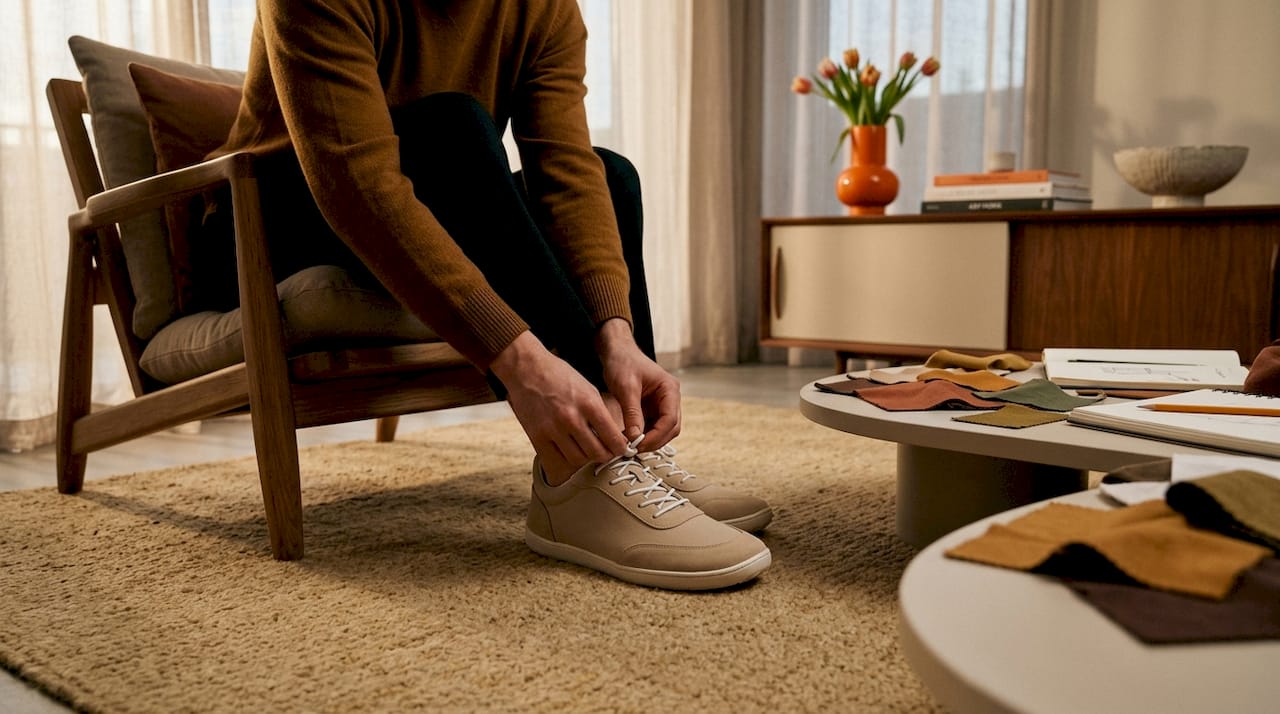
The category spans clothing, footwear, and accessories. A pair of adaptive sneakers might feature a wider toe box, a slip-resistant sole, and a zip closure instead of laces. An adaptive coat might use velcro at the wrists so it can be put on with one hand. Every modification targets a specific barrier that conventional garments create for people with disabilities or limited mobility.
Universal design principles sit at the core of the best adaptive pieces. A garment built for a wheelchair user, with a longer back hem and shorter front, also works beautifully for someone who simply prefers a relaxed seated silhouette. That overlap between adaptive and mainstream appeal is not accidental. It is the goal.
Common adaptive features and design elements
Adaptive garments rely on a set of well-tested design techniques. The most widely used modifications fall into five categories.
- Magnetic fasteners replace buttons and zippers, allowing one-handed dressing for people with limited grip strength or fine motor control.
- Side and back openings in trousers and skirts make dressing easier for wheelchair users or anyone who cannot stand for extended periods.
- Sensory-friendly construction uses tagless labels, flat seams, and soft fabrics to reduce skin irritation for people with sensory processing differences.
- Length and stretch adaptations account for seated posture, ensuring trousers do not gap at the back waist and tops do not ride up.
- Device-access openings are discreet panels or ports built into garments to allow access to insulin pumps, feeding tubes, or prosthetic components without undressing.
Fabric durability is a critical and often overlooked factor. Adaptive fabrics for prosthetic users are tested to endure up to 50,000 abrasion cycles, compared to 20,000–25,000 cycles for standard apparel. That difference matters because prosthetic components create constant friction against fabric that ordinary clothing simply cannot withstand.
| Adaptive feature | Primary benefit |
|---|---|
| Magnetic fasteners | One-handed dressing, no fine motor skill required |
| Side-opening panels | Easy on and off for wheelchair users |
| Flat seams and tagless labels | Reduces skin irritation for sensory sensitivities |
| Extended back hem | Covers the lower back when seated |
| Device-access ports | Discreet access to medical devices without undressing |
Pro Tip: When shopping for adaptive pieces, check the seam construction first. Raised or ridged seams are the most common source of discomfort for people with sensory sensitivities, and they are easy to spot before purchase.
How does adaptive fashion differ from inclusive fashion?
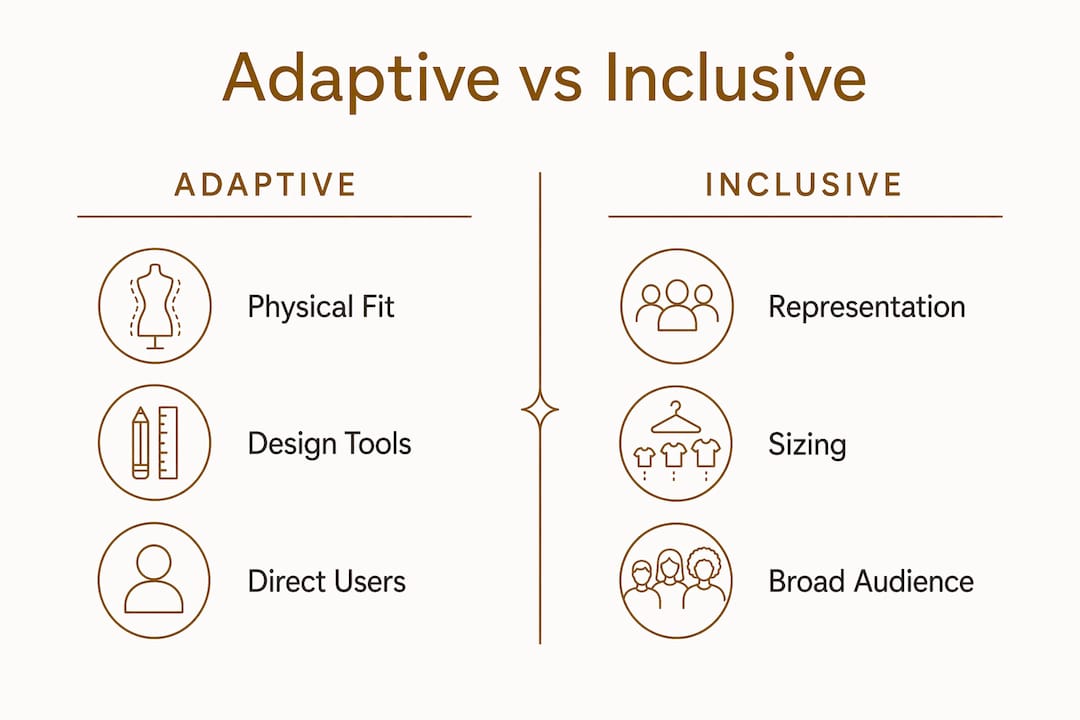
Inclusive fashion and adaptive fashion are related but not the same. Inclusive fashion broadly advocates for diverse representation across body types, ages, genders, and abilities. It challenges the fashion industry to expand its idea of who clothing is made for. Adaptive fashion is a focused subset of that movement. It operates at the hardware level, changing the physical construction of a garment to solve specific functional problems.
Think of it this way: inclusive fashion asks “does this brand represent me?” Adaptive fashion asks “can I physically put this on?”
Both movements share the goal of making fashion accessible to more people. They also share the tool of universal design, which produces garments that work across a wide range of bodies and abilities. The distinction matters because the two require different solutions. Inclusive fashion often needs changes in marketing, sizing, and representation. Adaptive fashion needs changes in zippers, seams, fabrics, and closures.
| Category | Focus | Primary tool | Who benefits |
|---|---|---|---|
| Inclusive fashion | Representation and diversity | Sizing, marketing, casting | All body types, ages, genders |
| Adaptive fashion | Functional accessibility | Hardware modifications | People with disabilities or limited mobility |
| Shared goal | Dignity and access | Universal design | Everyone |
An inclusive sizing guide addresses the representation side of this equation. Adaptive design addresses the functional side. The strongest fashion brands are beginning to pursue both at once.
What are the benefits of adaptive fashion?
The benefits of adaptive fashion extend well beyond the individual wearing the garment. Adaptive clothing reduces caregiver strain and promotes social inclusion by giving people with disabilities the ability to dress independently and with dignity. That independence is not a small thing. For many people, needing help with dressing is one of the most difficult aspects of living with a disability.
The social benefits are equally significant. Clothing that looks stylish and functions well removes the visual signal of “medical garment” that clinical adaptive wear often carries. Occupational therapists advise that adaptive fashion should avoid clinical stigma and instead promote dignity and social inclusion. When a person with a disability wears clothing that looks like everyone else’s, the conversation shifts from their condition to their personality.
Universal design features also create unexpected benefits for people outside the disability community. Magnetic closures benefit breastfeeding parents, elderly individuals with arthritis, and anyone recovering from hand or wrist surgery. The design solves multiple problems at once, which is exactly what good design is supposed to do.
- Supports independent dressing, reducing reliance on caregivers
- Promotes social inclusion by eliminating the clinical appearance of traditional adaptive wear
- Reduces physical strain for caregivers during assisted dressing
- Serves a broader audience through universal design features
- Some items qualify for HSA or FSA reimbursement, making adaptive clothing more financially accessible
Pro Tip: If you are purchasing adaptive clothing for a family member, check whether your health spending account covers the item before checkout. Eligibility varies by plan and retailer, so confirm directly with your provider.
How to choose and wear adaptive fashion every day
Choosing adaptive clothing starts with identifying the specific barrier you need to solve. Someone with limited grip strength needs magnetic or velcro closures. Someone who uses a wheelchair needs a longer back hem and side-opening trousers. Someone with sensory sensitivities needs flat seams and natural fibres. The modification has to match the need.
- List your functional priorities. Write down the two or three dressing tasks that are most difficult. That list tells you exactly which adaptive features to look for first.
- Check fabric durability. If you use a prosthetic limb or mobility device, look for fabrics rated for high abrasion resistance. Standard fabrics wear out quickly under that kind of friction.
- Prioritise style alongside function. Adaptive fashion has moved well past the clinical look. Seek out pieces that fit your personal aesthetic. Clothing that reflects your identity matters as much as clothing that fits your body.
- Blend adaptive pieces with your existing wardrobe. A magnetic-closure blouse pairs with any trouser. An adaptive sneaker works with casual and smart-casual outfits alike. You do not need a separate “adaptive wardrobe.”
- Explore adaptive footwear options. Footwear is one of the most functional categories in adaptive wear. The role of adaptive footwear in daily comfort and mobility is significant, covering everything from slip-resistant soles to easy-entry designs that eliminate the need to bend down.
- Research Canadian accessibility resources. Organisations like the Rick Hansen Foundation and provincial disability support programmes sometimes provide funding or guidance for adaptive clothing purchases.
Multi-functional fashion shares a design philosophy with adaptive wear: one garment, multiple uses. Looking at both categories together helps you build a wardrobe that works harder without looking clinical.
Adaptive wear trends in 2026 are moving toward mainstream retail. More brands are integrating magnetic closures, stretch fabrics, and adjustable fits into their standard collections. That shift means adaptive features are increasingly available without shopping at specialist retailers.
Key takeaways
Adaptive fashion is the most direct tool the fashion industry has for making clothing genuinely accessible, not just visually inclusive.
| Point | Details |
|---|---|
| Core definition | Adaptive fashion modifies garment construction to support people with disabilities or limited mobility. |
| Key design features | Magnetic fasteners, side openings, flat seams, and device-access ports are the most common modifications. |
| Fabric durability matters | Adaptive fabrics for prosthetic users must withstand up to 50,000 abrasion cycles, far beyond standard apparel. |
| Universal design benefit | Features like magnetic closures also help new parents, elderly wearers, and people recovering from injury. |
| Financial accessibility | Some adaptive clothing items qualify for HSA or FSA reimbursement depending on your plan. |
Adaptive fashion has changed how I think about clothing entirely
I used to think of fashion as purely aesthetic. Colour, silhouette, texture. The question was always “does it look good?” Spending time with adaptive fashion shifted that question to “does it work?” And then, more interestingly, to “can it do both?”
What strikes me most about the best adaptive pieces is that they do not look adaptive. A well-designed magnetic-closure blouse looks exactly like a button-front blouse. A pair of side-opening trousers looks like any other well-cut trouser. The modification is invisible. That invisibility is the whole point. Adaptive apparel founders consistently emphasise that clothing should reflect personal identity and resilience, not just physical need. That is a design philosophy the mainstream fashion world is only beginning to catch up with.
The shift from clinical to stylish adaptive design is real and it is accelerating. What I find most encouraging is that this shift benefits everyone. When designers start asking “how do we make this work for the widest possible range of bodies and abilities?”, the answers they find tend to produce better clothing for everyone. Stretch fabrics, thoughtful closures, and considered proportions are not concessions to disability. They are simply good design.
My honest view is that the fashion industry’s slow adoption of adaptive principles has less to do with technical difficulty and more to do with who the industry has historically imagined as its customer. That imagination is expanding. The more it does, the better clothing gets for all of us.
— Glenville
Style that fits every body: what 16thavenue offers
16thavenue carries pieces that align with the core values of adaptive fashion: comfort, ease of wear, and genuine style. The collection includes footwear and outerwear built for real bodies in real conditions.
The Women’s Casual Low Wedge Breathable Non-Slip Comfort Sport Sneakers offer the non-slip sole and breathable construction that adaptive wear prioritises. For colder months, the Women’s Trendy Autumn and Winter Woolen Coat delivers warmth and a relaxed fit that works across a range of mobility needs. 16thavenue also offers free shipping to most destinations, making it straightforward to try pieces that balance function with fashion. Browse the full collection at 16thavenue.ca to find styles that work for you.
FAQ
What is adaptive fashion in simple terms?
Adaptive fashion is clothing, footwear, and accessories designed with specific modifications to make dressing easier for people with disabilities, limited mobility, or sensory sensitivities. Common modifications include magnetic fasteners, side openings, and flat seams.
How is adaptive clothing different from regular clothing?
Adaptive clothing changes the physical construction of a garment, such as replacing zippers with magnets or adding device-access panels, while regular clothing uses standard construction that assumes full mobility and dexterity.
Who can benefit from adaptive fashion?
People with physical disabilities, limited mobility, or sensory sensitivities benefit most directly. Universal design features like magnetic closures also help new parents, elderly individuals, and people recovering from injuries.
Does adaptive clothing qualify for health spending accounts?
Some adaptive clothing items are eligible for Health Savings Account or Flexible Spending Account reimbursement, but eligibility depends on your specific plan and the retailer. Confirm with your provider before purchasing.
What is the difference between adaptive and inclusive fashion?
Inclusive fashion advocates for diverse representation across body types, ages, and genders. Adaptive fashion is a subset focused on functional hardware modifications that make garments physically accessible for people with disabilities.