

What is athleisure wear? Comfort, style, versatility
TL;DR:
- Athleisure combines athletic functionality with everyday fashion, redefining women’s wardrobe options.
- Its global popularity stems from celebrity influence, social media, and the wellness movement promoting comfort and style.
- Sustainable shopping emphasizes recycled fabrics, brand transparency, and durability to reduce environmental impact.
Most people assume athleisure is something you wear to the gym and nowhere else. That assumption is costing them a genuinely useful wardrobe category. Athleisure, which combines athletic performance with everyday fashion, has quietly reshaped how women dress for work, errands, travel, and socialising. It is not a trend that peaked and faded. It is now a cornerstone of modern style. This article will walk you through what athleisure actually is, why it has become so dominant globally, how to shop it sustainably, and how to wear it in ways that genuinely flatter your life and wardrobe.
Table of Contents
- Defining athleisure wear: Where fashion meets function
- Why athleisure wear is everywhere: Trends and cultural impact
- Sustainability and fabrics in athleisure: What matters most
- How to style athleisure wear: Practical tips for women
- Athleisure wear: The style revolution nobody saw coming
- Find your perfect athleisure and more at 16th Avenue
- Frequently asked questions
Key Takeaways
| Point | Details |
|---|---|
| Athleisure blends comfort and style | It is designed for both workouts and everyday casual activities, offering versatility. |
| Trend driven and culturally influential | Athleisure’s popularity comes from global trends, celebrity influence, and street style. |
| Sustainability matters | Choosing eco-friendly fabrics like recycled polyester supports a greener wardrobe. |
| Styling tips boost confidence | Mixing athleisure with other pieces lets you stay comfortable while looking stylish in any setting. |
Defining athleisure wear: Where fashion meets function
The word itself is a portmanteau. Athleisure blends ‘athletic’ and ‘leisure’, and that etymology is the most honest description of what it does. It brings the functionality of workout clothing into spaces where traditional gym wear would feel out of place, without asking you to sacrifice comfort for style.
This is what separates athleisure from basic gym wear. A sports bra and compression shorts are built for performance. Athleisure, on the other hand, is engineered to look polished on a coffee run, in a meeting room, or at a weekend brunch. The silhouettes are more considered, the fabrics more refined, and the design details (think tonal seaming, clean waistbands, and muted colourways) are meant to read as fashion, not function.
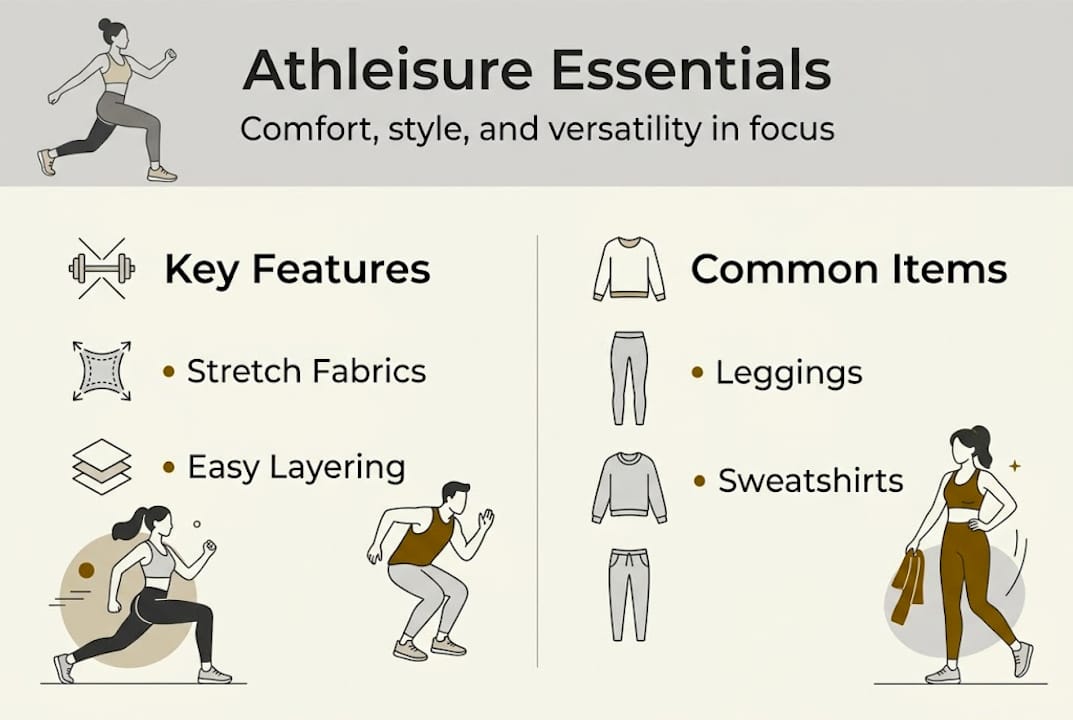
Compared to loungewear, the distinction is also clear. Loungewear is designed for the couch. Athleisure is designed for the world.
Key fabric features to look for in athleisure:
- Four-way stretch materials that move with your body
- Moisture-wicking blends that manage sweat and keep fabric fresh
- Breathable mesh or ventilated panels for comfort in warm conditions
- Flat seams that prevent chafing during active use
- Fabric weight heavy enough to hold its shape without feeling rigid
| Feature | Gym wear | Loungewear | Athleisure |
|---|---|---|---|
| Style intention | Performance | Relaxation | Both |
| Suitable outside home | Sometimes | Rarely | Always |
| Design details | Minimal | Soft, casual | Fashion-forward |
| Fabric technology | High | Low | Medium to high |
| Versatility | Low | Low | High |
“The best athleisure pieces are the ones you forget are athletic at all. They just feel like your most comfortable, most stylish outfit.”
Understanding these distinctions matters as trends in fashion continue to blur the lines between categories. Athleisure borrows heavily from streetwear style too, incorporating urban aesthetics like oversized fits, bold logos, and layered textures into its vocabulary.
Why athleisure wear is everywhere: Trends and cultural impact
Athleisure did not become globally dominant by accident. Several forces converged to push it from niche activewear into mainstream wardrobes, and understanding those forces helps explain why this category keeps growing.
Celebrities and social media played an enormous role. When high-profile women began appearing in styled leggings and elevated sneakers at airports, restaurants, and even red carpet events, audiences took note. The message was simple: comfort does not disqualify you from looking good. That message spread fast across Instagram, TikTok, and Pinterest, where outfit ideas reach millions of women within hours.
The global yoga style evolution also contributed. As yoga and wellness culture moved from fringe to mainstream, the clothing associated with those practices followed. Leggings and fitted tops moved from studio to street with almost no friction.
Popular athleisure pieces among women today:
- High-waisted leggings with tummy-control panels
- Fitted zip-up hoodies in neutral and earth tones
- Matching two-piece sets in printed or solid fabrics
- Oversized sweatshirts styled with tailored trousers
- Minimalist sneakers with subtle athletic detailing
| Factor driving growth | Impact on athleisure adoption |
|---|---|
| Celebrity endorsements | Normalised as everyday wear |
| Social media visibility | Accelerated global spread |
| Work-from-home culture | Increased demand for comfort |
| Wellness movement | Elevated status of activewear |
| Fast fashion accessibility | Made styles widely affordable |
The debate around athleisure is real. Some critics warn it is taking over fashion entirely, while supporters argue it has democratised style by making comfort accessible to everyone. Both views have merit.
For women exploring how trends shape fashion, athleisure is a textbook case study in cultural momentum. It is also one of the most exciting women’s fashion trends 2026 has to offer. If you want to see what a well-executed athleisure set looks like, printed athleisure sets are a strong starting point for building the look.
Sustainability and fabrics in athleisure: What matters most
Now that you understand why athleisure is so dominant, it is worth asking a harder question: what is it actually made from, and what does that mean for the planet?
Most athleisure relies on synthetic fabrics. Polyester, nylon, and spandex make up the bulk of the market because they deliver the stretch, moisture management, and durability that performance clothing requires. These materials work incredibly well. They also raise legitimate environmental concerns, particularly around microplastic shedding during washing.
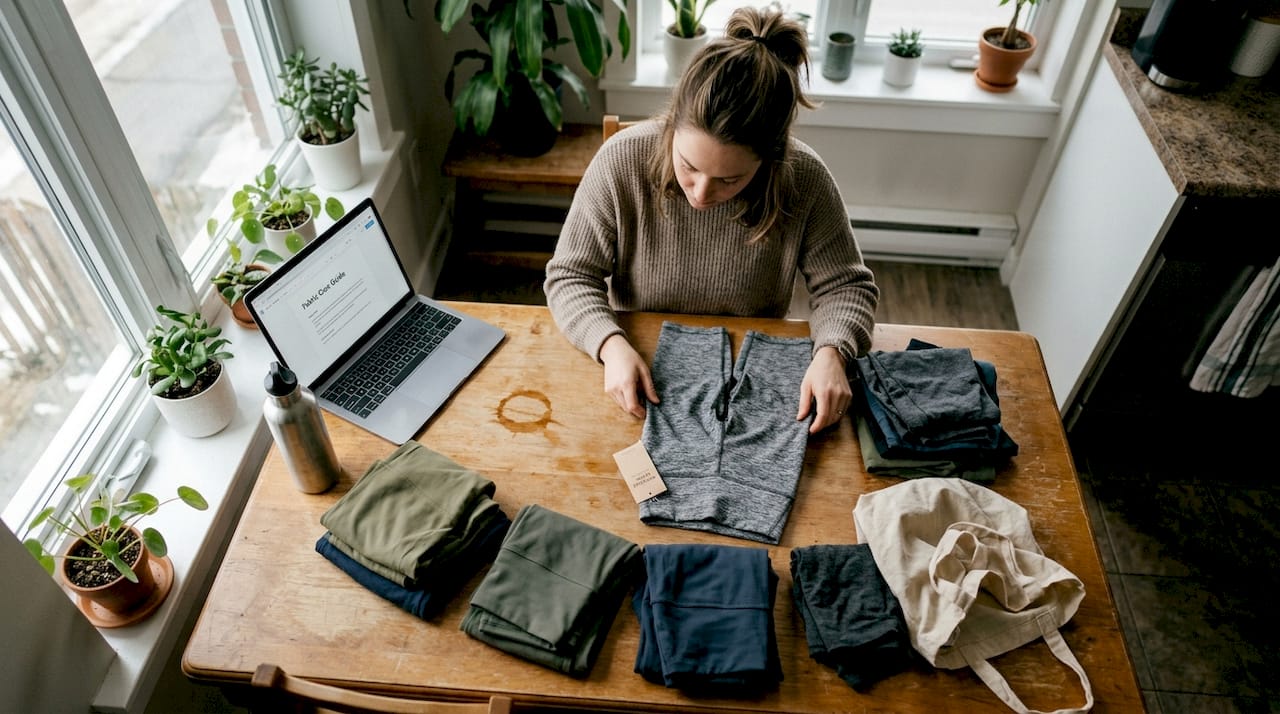
The good news is that the industry is responding. Recycled polyester, known as rPET, is increasingly used in athleisure production, offering comparable performance to virgin polyester with a significantly reduced carbon footprint. Some brands have gone further, incorporating organic cotton, Tencel, and other low-impact materials into their collections.
What to look for when shopping sustainably:
- Certifications such as GOTS (Global Organic Textile Standard) or OEKO-TEX labels
- Transparency about fabric sourcing on the brand’s website
- Recycled content percentages listed on product tags
- Durability cues like reinforced stitching and quality waistbands that resist rolling
- Brands that offer repair programmes or recycling initiatives
“Buying one well-made athleisure piece that lasts three years is more sustainable than buying five cheap ones that pill and stretch out within months.”
Pro Tip: Before purchasing, check the fabric composition label. If recycled polyester or organic cotton is listed among the top three materials, that is a meaningful step toward a more responsible choice.
Greenwashing (when brands falsely claim sustainability credentials) is a real concern in this space. The sustainable fashion impact conversation makes clear that marketing language is not always backed by genuine practice. It is worth reading about what is sustainable fashion before making purchasing decisions, and applying those principles to eco-friendly shopping in general. Understanding the role of fabrics in clothing for comfort also helps you identify what genuinely performs versus what just looks the part.
How to style athleisure wear: Practical tips for women
Knowing how to shop athleisure is only half the equation. Knowing how to wear it well is where most people get stuck. The good news is that athleisure fits both workouts and casual activities, which means a single piece can carry you through an entire day without a wardrobe change.
Step-by-step guide to building a versatile athleisure outfit:
- Start with a well-fitting base. Leggings or joggers in a mid-weight fabric are the most adaptable foundation pieces.
- Add a structured layer. A fitted jacket, denim shirt, or longline cardigan shifts the look from sporty to polished immediately.
- Choose footwear intentionally. Sneakers are the natural companion, but the style matters. Clean, minimal designs read as fashion rather than sport.
- Keep accessories simple. One quality bag and understated jewellery are enough. Over-accessorising with athleisure creates visual conflict.
- Mind the fit everywhere. Athleisure that is too baggy reads as sloppy; too tight reads as gym-only. Aim for a fit that is relaxed but intentional.
Mistakes to avoid:
- Mixing too many athletic logos in one outfit
- Wearing head-to-toe matching sets without any contrast element
- Ignoring fabric quality in favour of price alone
- Treating all leggings as interchangeable (fabric weight and opacity matter enormously)
Pro Tip: If you are unsure whether an athleisure outfit works for a given setting, ask yourself: would I feel comfortable if I ran into a colleague or client? If yes, you are good to go.
For inspiration on styling for 2026, women’s fashion trends 2026 offers a strong overview of what is resonating right now. Footwear makes or breaks an athleisure look, and a pair of casual breathable sneakers can elevate a simple outfit without effort.
Athleisure wear: The style revolution nobody saw coming
Here is the uncomfortable truth that most fashion commentary skips over: nobody in the mainstream fashion world predicted that athleisure would become this significant. The early consensus was that it was a wellness bubble. A passing phase driven by yoga moms and tech workers. Critics dismissed it. Luxury houses ignored it. Then, almost without warning, it was everywhere.
What critics consistently miss is that athleisure succeeded because it solved a real problem. Women were being asked to choose between comfort and looking put-together. Athleisure said that was a false choice. That message resonated so deeply that no amount of critical pushback could slow its momentum.
The lesson here is not just about clothing. It is about understanding fashion trends at a deeper level. The movements that last are the ones that solve genuine problems, not the ones that simply look interesting on a runway. Athleisure’s staying power is now undeniable, and the women who embraced it early understood something fundamental: dressing well should never come at the cost of feeling good in your body.
Find your perfect athleisure and more at 16th Avenue
Athleisure is not just a style category. It is a decision to stop choosing between comfort and confidence. At 16th Avenue, we have curated a selection of pieces that make that decision easy.
From sport-inspired sneakers designed for all-day wear to autumn and winter coats that layer beautifully over your athleisure staples, our collections are built for women who want style that keeps up with their lives. We offer free shipping to most destinations, regular discounts, and a continuously updated selection to reflect what is actually trending. Browse at your own pace and find the pieces that feel like they were made for your wardrobe.
Frequently asked questions
What is the difference between athleisure and sportswear?
Athleisure is designed to merge performance and style, making it suitable for both casual settings and light workouts, while sportswear is built primarily for athletic performance and rarely transitions well to everyday wear.
Can I wear athleisure to work or formal events?
In many modern workplaces, polished athleisure pieces like fitted joggers or a structured hoodie are entirely acceptable, but for formal events, traditional attire remains the better choice.
Is athleisure wear environmentally friendly?
Not always. While many brands incorporate recycled polyester (rPET) into their lines for sustainability, not all athleisure is eco-conscious, so reading fabric labels and brand transparency statements is essential before buying.
What are the best fabrics for athleisure wear?
Performance and recycled fabrics such as spandex blends, recycled polyester, and organic cotton are the most common choices, offering a balance of stretch, breathability, and environmental responsibility.
Recommended
- 7 Essential Types of Women’s Footwear for Every Wardrobe – 16th Avenue
- Role of Footwear in Outfits – Elevating Everyday Style – 16th Avenue
- Streetwear Style: Defining Trends for Women Today – 16th Avenue
- Fashion Skinny Athleisure Printed Two Piece Set – 16th Avenue
- 2 Piece Formal Wear: Style, Versatility, and Impact - DressMeUpNY