


Beauty curation explained: how curated edits simplify buying
Beauty curation is the expert selection and tailored assortment of beauty products designed to simplify discovery and increase purchase confidence. A curator, whether a trained buyer, editor, or clinician, applies deliberate criteria to filter thousands of available SKUs down to a purposeful, trust-worthy edit. The result is a collection that does the hard work of evaluation before the shopper ever arrives.
Why does that matter? Because choice overload is a real commercial problem. Kearney research frames curation as a direct response to the paradox of choice: pre-filtering options reduces shopper overwhelm and builds institutional trust over time. Retailers who curate well tend to see stronger conversion, higher average order value, and better retention than those who simply stock broadly.
Common curated formats you will encounter include:
- Boutique edits: a tightly chosen in-store or online assortment built around a specific aesthetic or skin concern
- Influencer edit boxes: a creator selects products they genuinely use, packaged as a limited-run collection
- Subscription curated boxes: monthly or seasonal deliveries assembled by editors or buyers around a theme
- Editorial capsules: a seasonal or trend-driven shortlist, often published alongside editorial content or style guides
Key takeaways
Beauty curation is the expert, criteria-driven selection of beauty products that reduces choice overload, builds shopper trust, and delivers measurable commercial benefits including higher conversion, stronger retention, and lower return rates.
| Point | Details |
|---|---|
| Definition | Beauty curation = expert selection + tailored assortment, applied to simplify discovery and build trust. |
| Business case | Curated edits tend to lift conversion, average order value, and repeat purchase by reducing comparison paralysis. |
| Core process | Research, vet, test, build the assortment, merchandise with rationale, then monitor sell-through and returns. |
| Measurement priority | Track sell-through, conversion rate, AOV, repeat purchase rate, and return rate across at least two edit cycles. |
| Trust requirement | Publish your selection criteria openly; transparent curation standards are the single clearest trust signal a retailer can offer. |
Table of Contents
- What beauty curation means in retail and how it differs from merchandising
- How beauty curation is executed in practice
- Common formats and approaches to beauty curation
- Why beauty curation matters for shoppers and retailers
- Who curates and the core skills involved
- How a retailer builds a curation strategy from scratch
- How to measure whether your curation strategy is working
- Short examples of beauty curation in practice
- Why authenticity and human curation still win
- A note on why 16thavenue curates
- Sources
What beauty curation means in retail and how it differs from merchandising
The Cambridge Dictionary defines curation as “the selection and care of objects or content to form a collection.” In beauty retail, that definition gains commercial weight: curation is not just selection, it is editorial selection, guided by explicit quality standards and a point of view.
Traditional merchandising prioritises category depth and breadth. A standard beauty department might carry every shade, every price tier, and every brand in a given category, because the goal is to have something for everyone. Curation inverts that logic. The goal is to carry only what genuinely meets a defined standard, so every product on the shelf earns its place.
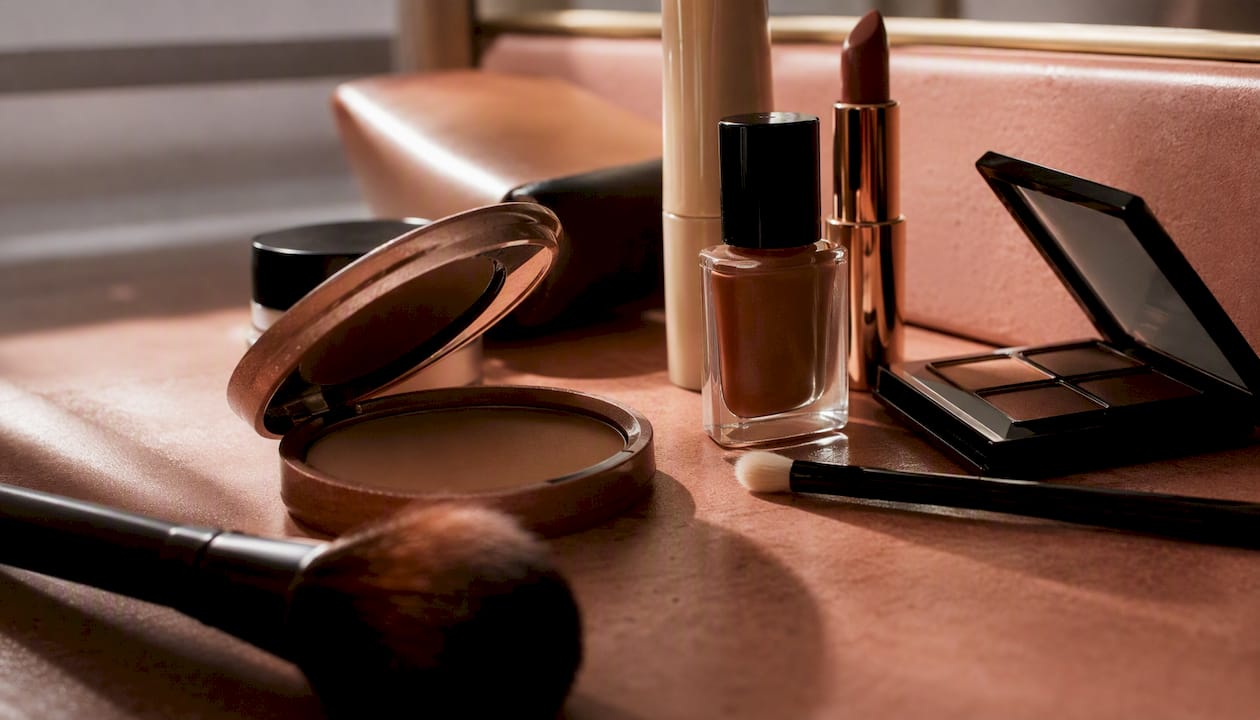
GCI Magazine’s trade coverage documents this shift as a deliberate retail strategy: product-mix tailoring is reshaping in-store assortments, with buyers making harder cuts and leaning into fewer, better-chosen lines. The difference from classic merchandising is the presence of human judgement and editorial voice. An algorithm can rank products by sales velocity; a curator asks whether a product is worth recommending to a specific customer.
Common selection criteria curators apply include:
- Formulation efficacy: does the product do what it claims, and is there evidence to support that claim?
- Ingredient safety: are the ingredients appropriate for the intended audience, free from known irritants or contested compounds?
- Ethical sourcing and brand integrity: is the brand transparent about its supply chain, cruelty-free status, and sustainability commitments?
- Price band fit: does the product sit within the price range the target customer considers accessible and fair?
- Aesthetic coherence: does the product belong visually and conceptually within the edit?
Pro Tip: Start your own curation practice with a three-point vetting checklist: (1) Can you explain why this product is better than the three closest alternatives? (2) Would you recommend it to a friend with the same skin concern? (3) Does the brand’s public-facing information match what you know about the formulation? If any answer is no, the product does not make the edit.
How beauty curation is executed in practice
Expert curation reduces shopper guesswork by applying professional evaluation to ingredients, formulation science, efficacy, and brand integrity, rather than stocking every available SKU. The practical workflow behind that expertise follows a recognisable sequence.
- Research and discovery: buyers, editors, or brand founders scan trade shows, indie brand directories, and founder-led wholesale marketplaces to identify candidates. This phase is wide; the goal is a long list, not a final one.
- Initial vetting: each candidate is assessed against the selection criteria defined in advance. Products that fail on ingredient safety, brand integrity, or price band are cut here, before any samples are ordered.
- Testing: surviving candidates go through editorial testing (staff use the product for a defined period), consumer trials (a small cohort of target customers), or clinical review when efficacy claims require it. Notes are recorded, not just impressions.
- Assortment building: the tested shortlist is assembled into a coherent edit. Gaps are identified: does the assortment cover the core product categories a customer needs? Does it cover base, colour, and finish without redundancy?
- Merchandising the edit: products are grouped, sequenced, and presented with clear rationale. Online, this means copy that explains why each product was chosen, not just what it does.
- Storytelling and guidance: point-of-sale copy, blog content, and social posts translate the curator’s reasoning into language the shopper can act on.
For small teams, steps one through three can be compressed into a four-to-six-week sprint using sample requests and a structured review form. Larger retailers run parallel tracks across multiple categories. AI-assisted personalization tools can support step four by analysing skin profile, climate, and ingredient needs to flag gaps in an assortment or suggest multifunctional picks that reduce returns.
Common formats and approaches to beauty curation
Curated beauty takes several distinct forms, each with its own assembly logic and audience relationship.
- Curated boutiques and in-store edits: a physical or digital shop carries only products that passed the buyer’s criteria. Staff know every product well, which lets them advise accurately. Small curated catalogues build this depth of knowledge as a persistent advantage over large assortments.
- Influencer and creator edit boxes: a creator selects products they genuinely use and packages them as a named collection. According to Cosmetics Business, these edits are rising precisely because creator-led recommendations feel more authentic than simple licensing deals, where a celebrity merely lends their name.
- Subscription curated boxes: editors or buyers assemble a themed box delivered monthly or seasonally. The recurring format builds anticipation and trains customers to trust the curator’s taste over time.
- Seasonal or trend capsules: a short-run edit built around a specific trend, season, or occasion. These are often supported by editorial content explaining the trend rationale. For current trend context, the 2026 beauty trends guide at 16thavenue is a useful reference.
- Editorial-led online capsules: a digital edit published alongside a style guide or how-to article, where the product selection is inseparable from the editorial context. The copy does as much work as the product itself.
- Professional or clinic-curated ranges: dermatologists, aestheticians, or clinicians select products based on clinical criteria. The authority of the recommender is the primary trust signal.
Hybrid forms are increasingly common: an algorithm narrows a long list by skin type and climate, then a human editor makes the final call on brand fit and aesthetic coherence. The tech handles scale; the editor handles taste.
Why beauty curation matters for shoppers and retailers
The benefits split cleanly across two groups, and the business case for retailers is measurable.
For shoppers:
- Reduces overwhelm by presenting a pre-filtered shortlist rather than hundreds of undifferentiated options
- Speeds discovery: a well-curated edit surfaces products the shopper would not have found independently
- Improves match-to-need when selection criteria are aligned with the shopper’s skin type, concern, or lifestyle
- Increases purchase confidence and reduces returns, because the product has already been evaluated by someone with relevant expertise
For retailers and brands:
- Higher conversion rates, because a smaller, better-chosen assortment removes the friction of comparison paralysis
- Stronger repeat purchase rates, because customers who trust the edit come back for the next one
- Higher average order value, as shoppers buy complementary products within a coherent capsule rather than a single item
- Clearer brand positioning: a curated assortment signals a point of view, which differentiates a retailer from a generalist marketplace
Statistic callout: Kearney’s consumer research identifies pre-filtering as a trust-building mechanism: limiting options to those that meet rigorous standards gives shoppers a sense of reliable filtering, which compounds into institutional trust over repeat purchases. The data is directional rather than a single conversion-lift figure, so treat it as a strategic signal rather than a precise benchmark.
The limitations are real. Curation does not scale effortlessly: a small team can maintain editorial rigour across 50 SKUs; maintaining it across 500 requires systems, clear criteria documentation, and regular audits. Curator bias is also a risk. An edit that reflects only one aesthetic or skin tone range will exclude customers who do not see themselves in it. Inventory risk is another constraint: a tightly curated assortment means fewer substitutes when a hero product goes out of stock.
Who curates and the core skills involved
Curation is practised by several distinct roles, each bringing different authority to the edit.
- Buyers: trained in vendor negotiation, margin management, and trend forecasting; they build assortments with commercial viability as a primary filter
- Editors: journalists or content creators with deep category knowledge; their authority rests on taste and communication, not purchasing power
- Brand founders: often the original curator of their own line, with intimate knowledge of the formulation rationale
- Dermatologists and clinicians: apply clinical criteria; their edits carry medical credibility and are particularly trusted for skincare and treatment products
- Influencers with editorial credibility: creators who have built a reputation for honest, informed recommendations rather than paid promotion
Core skills that distinguish a credible curator from a well-meaning one:
- Ingredient literacy: the ability to read an INCI list and understand what each ingredient does and at what concentration
- Consumer empathy: understanding the specific needs, concerns, and constraints of the target customer
- Trend reading: distinguishing a durable shift from a short-lived moment
- Testing protocol design: knowing how to structure a fair product trial and what evidence is worth acting on
- Vendor negotiation: securing samples, exclusives, and pricing that make the edit commercially viable
- Storytelling: translating technical product knowledge into copy a shopper can act on
Pro Tip: Before trusting a curated edit, ask three quick questions: (1) What criteria did you use to select these products? (2) Did anyone on the team actually test them, and for how long? (3) Are any of these selections paid placements or gifted? A curator who answers all three clearly has earned your trust.
How a retailer builds a curation strategy from scratch
A practical checklist for a small direct-to-consumer retailer planning a seasonal edit:
- Define your audience precisely: skin type, concern, price sensitivity, aesthetic preference. A vague audience produces a vague edit.
- Set written selection criteria: document the standards before you source. This prevents scope creep and makes the edit defensible.
- Source and vet candidates: use trade directories, founder-led wholesale marketplaces, and brand outreach. Request samples for every product that passes initial vetting.
- Test with a small cohort: recruit 8–12 customers who match your target profile. Structured feedback over two to four weeks is more useful than impressions.
- Build the assortment: aim for coherence over completeness. A curated capsule covering base, colour, and finish in three to five products is more useful to a shopper than fifteen loosely related items.
- Write the merchandising copy: explain the selection rationale for each product. “We chose this because…” is more persuasive than a product description alone.
- Monitor and iterate: track sell-through, return rate, and repeat purchase in the first eight weeks. Cut underperformers; double down on what moves.
For a small team, a seasonal edit from brief to launch typically runs eight to twelve weeks. Discovery and vetting dominate the first four weeks; testing and copy take weeks five through eight; merchandising and launch preparation fill the final stretch.
Operationally: maintain a sample inventory buffer, document every test result, and brief your marketing team on the selection rationale so their content reflects the editorial logic. For curated gift-box formats, the assembly and packaging considerations covered in curated gift box guides are directly applicable. Internal teams to involve: buying or sourcing, marketing and content, merchandising, and legal or claims review if any efficacy language appears in the copy.
How to measure whether your curation strategy is working
Curation’s commercial value is measurable. Kearney’s analysis confirms that sell-through, conversion uplift, and repeat purchase are the right metrics to track as part of a curation programme.
The five metrics a small retailer should monitor from day one:
- Sell-through rate: what percentage of the curated assortment sells within the intended window? A high sell-through signals the edit was well-matched to demand.
- Conversion rate: do visitors to the curated edit page convert at a higher rate than the site average? This is the clearest short-term signal of curation quality.
- Average order value (AOV): are customers buying multiple items from the edit? A coherent capsule should lift AOV as shoppers complete the set.
- Repeat purchase rate: do customers who bought from the edit return within 90 days? This is the loyalty signal that separates a good edit from a great one.
- Return rate: are returns from the curated assortment lower than the site average? Lower returns indicate the selection criteria are working.
Short-term signals (conversion, AOV) tell you whether the edit is resonating at launch. Long-term signals (repeat purchase, lifetime value) tell you whether the curation is building trust. Do not make major assortment changes based on fewer than four weeks of data; sample sizes from a single seasonal edit are rarely large enough for statistical confidence. Track trends across two or three edit cycles before drawing firm conclusions.
Statistic callout: Kearney’s consumer research positions repeat purchase and trust-building as the compounding commercial benefit of consistent curation. The mechanism is straightforward: one good experience from a curated pick raises the probability of a second purchase, and the second raises it further. The data is qualitative and directional; treat it as a framework for prioritising retention metrics, not a guaranteed lift figure.
Short examples of beauty curation in practice
Three brief scenarios illustrate how curation works across different formats, with Canadian market relevance.
The boutique edit: a small Canadian skincare retailer carries fewer than 60 SKUs, all vetted by the founder against a published ingredient standard. Staff can speak to every product from personal use. The narrow catalogue means no customer leaves without a confident recommendation. This is the boutique advantage: deep knowledge compounds trust in a way a 500-SKU assortment rarely can, as documented by Vital Vibe Post’s practitioner piece on curated beauty shelves.

The creator edit box: a Canadian beauty creator with a following built on honest reviews partners with a retailer to assemble a six-product box. Every product is one she has used on camera for at least three months. The box quickly sells out shortly after launch. The Cosmetics Business analysis of creator edit boxes explains why: the creator’s genuine use history is legible to her audience in a way a paid placement is not.
The seasonal capsule: a Canadian e-commerce retailer publishes a fall edit of eight products built around a “warm-toned, low-maintenance” brief. Each product is chosen to work with the others, and the editorial copy explains the pairing logic. Shoppers who buy two or more items from the capsule return at a higher rate than single-item buyers. For practical guidance on building seasonal edits, the curated collections guide at 16thavenue covers the customer-side rationale in detail.
Why authenticity and human curation still win
The research case for human-led curation over algorithmic assortment is consistent across several lines of evidence.
The paradox of choice is the foundational argument: too many options produce decision fatigue, lower satisfaction, and higher returns. Pre-filtering by a trusted curator resolves this by reducing the decision to a manageable shortlist. Kearney’s consumer work frames this as institutional trust-building: consistent good outcomes from curated picks compound over time.
Creator-led edits add a second layer. Cosmetics Business documents that partners who recommend products they genuinely use produce more authentic audience reach than licensing arrangements. The difference is legibility: an audience can tell when a recommendation is lived-in versus transactional.
AI personalization tools contribute a third dimension: explainable recommendations based on skin profile, climate, and ingredient fit can support human curators by handling scale and flagging gaps. The best results pair that analytical layer with human editorial standards, not replace one with the other.
Implications for retailers:
- Invest in tester programmes so staff and creators can speak from genuine experience
- Publish your selection criteria openly; transparency is itself a trust signal
- Partner with creators whose audience overlaps your target customer, and give them genuine editorial control
- Track authenticity signals (review sentiment, return rate, repeat purchase) alongside conversion metrics
Pro Tip: Test authenticity cheaply with a micro-creator edit: give three to five creators with audiences under 20,000 followers a small product budget and editorial freedom. Measure sell-through and return rate against your site average over 30 days. The results will tell you more about curation quality than any focus group.
A note on why 16thavenue curates
The case for curated edits is not abstract at 16thavenue. The collections on the site reflect deliberate selection decisions: products chosen because they fit a specific aesthetic, price point, and quality standard, not because they fill a category slot. That applies to the beauty range and to the seasonal fashion edits, where pieces like the Women’s Trendy Autumn and Winter Woolen Coat are chosen because they anchor a coherent seasonal wardrobe, not simply because they are available.
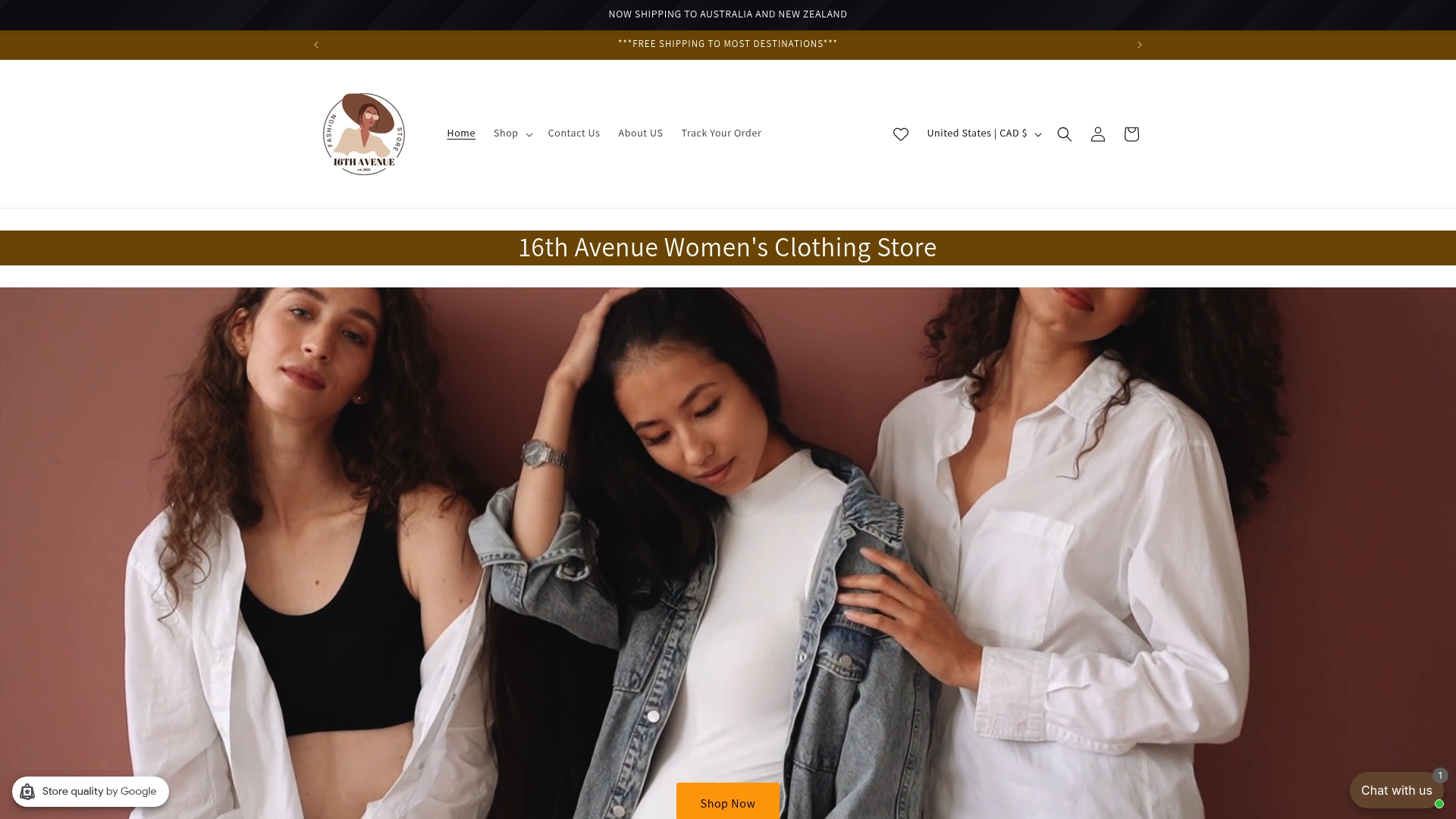
If you want to see what a curated edit looks like in practice, the seasonal collections at 16thavenue are a good starting point. Browse the current edit and notice what is not there: the absence of filler is the point.
Sources
The claims and frameworks in this guide draw on the following sources. Each is worth reading in full if you are building or evaluating a curation strategy.
- Keeping up with the consumer — Kearney
- Curated beauty boxes are making talent partnerships more authentic than ever before — Cosmetics Business
- Curation definition — Cambridge Dictionary
- The rise of “Curation”: Product mix tailoring reshaped for today’s retail world — GCI Magazine
- The rise of curated online skincare retailers: why expert curation matters more than ever — Home PR Journal