


Occasion wear explained: what it means and how to wear it
What is occasion wear?
Occasion wear is clothing designed specifically for special, formal, or celebratory events. It sits in its own category, separate from everyday clothes and separate from the rigid uniform of pure formalwear. Think weddings, galas, christenings, race meetings, and milestone ceremonies. The garments are built with intention: every seam, silhouette, and fabric choice exists to mark the moment.
What sets occasion wear apart is not just where you wear it. It is how it is constructed. These pieces carry what fashion designers call silhouette memory, meaning the garment holds its shape and leaves a lasting visual impression through internal structure: boning, precise darting, and bias cuts that allow fluid movement without losing form. A well-made occasion piece does not droop by the end of the evening.
The term itself leans British in origin and connotation, historically tied to the social season and events like Royal Ascot. In Canada, the phrase applies broadly to any significant social milestone requiring elevated dress.
Defining features of occasion wear at a glance:
- Purposeful construction with structured silhouette and shape retention
- Fabrics chosen for visual and tactile impact (silk, matte crepe, structured faille)
- A “total look” approach: clothing, accessories, and footwear work as one
- Celebratory elegance rather than rigid dress-code formality
- Designed to enhance presence without spectacle or excess
Types of occasion wear by event and dress code
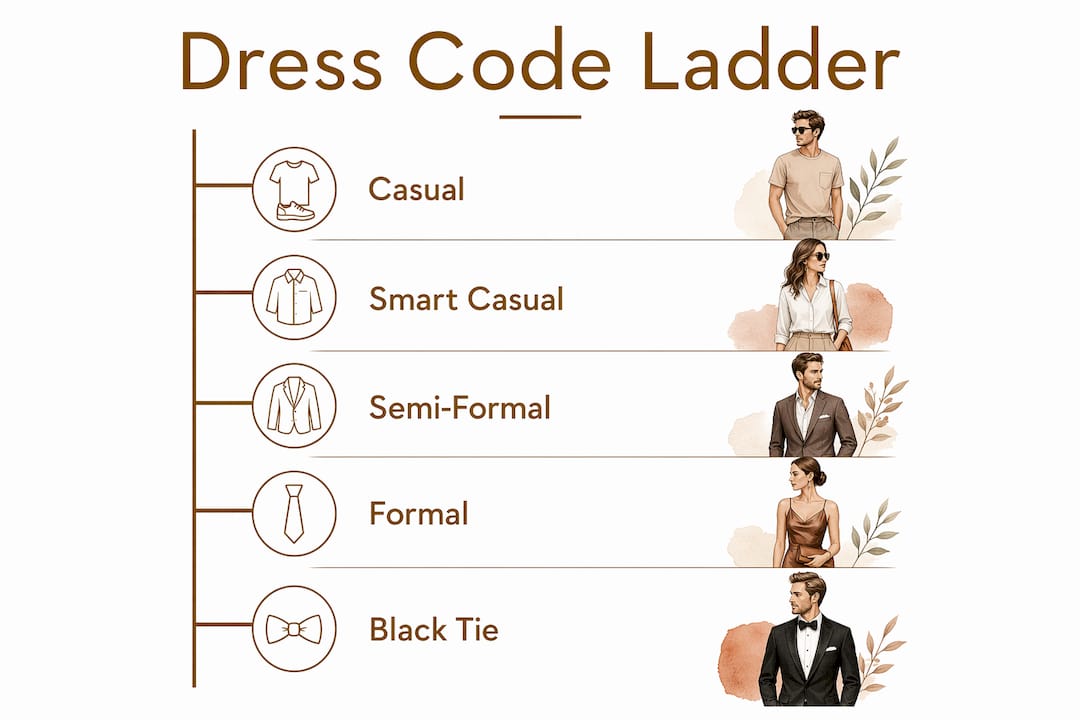
The Western dress code hierarchy gives occasion wear its clearest framework. Each level signals formality, guides guests, and communicates respect for the event itself.
The dress code ladder
- White tie: The most formal level, reserved for state dinners and black-tie galas of the highest order. Full evening dress is expected: floor-length gowns for women, white waistcoats and tailcoats for men. White tie events are rare in Canada but do appear at formal diplomatic functions and certain charity galas.
- Black tie: The workhorse of formal occasion wear. Floor-length or elegant midi gowns, luxe fabrics, and polished accessories. Common at awards dinners, charity balls, and upscale weddings.
- Semi-formal / dressy casual: Flexible enough for both daytime and evening events. A semi-formal dress code suits cocktail-length dresses, tailored jumpsuits, and refined separates. This is where most Canadian wedding guests and corporate event attendees land.
- Cocktail attire: Knee-length to midi dresses in elevated fabrics. Festive but not floor-sweeping. Perfect for evening receptions, engagement parties, and holiday dinners.
- Smart casual: The entry point of occasion wear. Polished but relaxed. A well-cut dress or tailored trousers with a silk blouse works here.
Dress codes are not restrictions so much as a shared language. They help guests feel they belong and signal that the event deserves a certain level of care.
Daytime vs. evening occasion wear
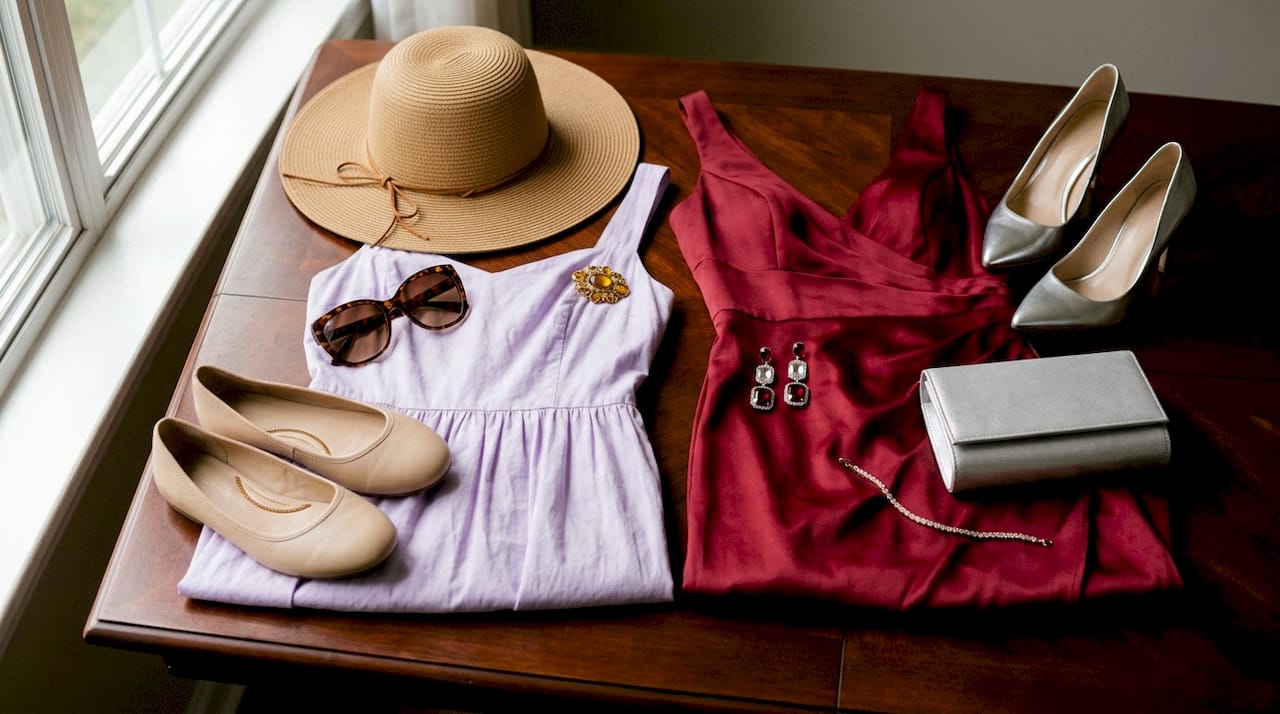
Daytime events call for lighter fabrics, softer colours, and shorter hemlines. A garden party or afternoon wedding ceremony suits a floral midi or a structured linen dress. Evening occasions shift toward deeper tones, heavier fabrics, and longer silhouettes. The difference is not just aesthetic; it reflects the mood and lighting of the event itself.
Seasonal and cultural considerations
Canadian winters demand a layer of practicality. A structured woolen coat over a formal gown is not a compromise; it is good sense. In warmer months, breathable silks and chiffons keep the look polished without overheating. Cultural events, from South Asian weddings to Indigenous ceremonies, carry their own dress expectations. When in doubt, research the specific cultural context and err toward respectful formality.
How to style occasion wear: accessories and finishing touches
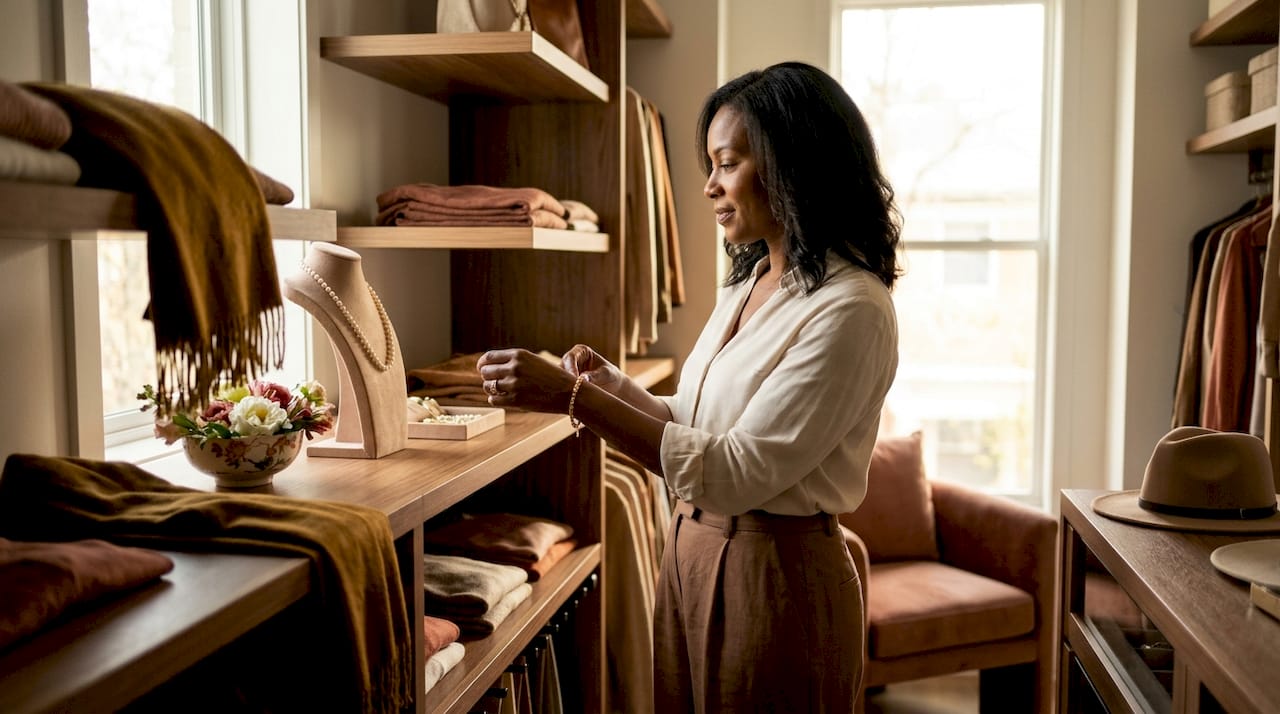
Occasion wear is rarely about a single garment. The total look matters: clothing, shoes, bag, and accessories working together as one cohesive statement. A stunning dress paired with the wrong shoes or a mismatched bag can undercut the entire effect.
Pro Tip: Choose your shoes before you finalise your outfit. Heel height affects hemline, posture, and overall proportion. Getting the shoes right first makes every other decision easier.
Accessories that complete the look
- Hats and fascinators: Traditionally worn at race meetings, garden parties, and formal daytime weddings. A fascinator suits cocktail-level formality; a structured hat reads more formal.
- Jewellery: Keep it intentional. One statement piece (a bold necklace or chandelier earrings) usually outperforms layering multiple competing pieces. Pearls and fine metals read classic; sculptural pieces read contemporary.
- Footwear: Strappy heels or pointed-toe courts for evening; block heels or elegant flats for daytime. Comfort matters more than you might think at a four-hour wedding reception.
- Bags: A small clutch or structured minaudière keeps the look polished. Avoid oversized bags at formal events; they disrupt the silhouette.
Colour and pattern guidance
Classic occasion wear colours include black, navy, jewel tones, and neutrals. These hold up across seasons and event types without competing with the event’s own visual tone. Patterns work best when they are deliberate: a single floral print or a subtle geometric rather than competing prints. For Canadian autumn and winter events, deep burgundy, forest green, and charcoal read both seasonal and sophisticated.
Fabric and texture
Matte crepe, silk charmeuse, structured faille, and duchess satin are the workhorses of occasion wear. Each creates a different visual weight. Crepe reads understated and modern; satin reads formal and luminous. Chiffon and organza suit warmer seasons and daytime events. Knowing what a fabric does in motion, how it catches light, and how it holds its shape helps you choose pieces that look as good at the end of the evening as they did at the start. For seasonal dress selection, fabric is often the deciding factor.
The philosophy behind occasion wear
Occasion wear, at its best, is about quiet power. Not volume, not excess, but the kind of presence that registers in a room without announcing itself. This is the design philosophy that separates a truly great occasion piece from something that merely looks expensive.
The structural concept behind this is architectural softness: a garment that holds its shape through internal construction while still allowing the body to move naturally. Boning, interfacing, and precise seaming create the structure; the outer fabric creates the softness. The result is a dress that looks sculpted but feels wearable.
Occasion wear also carries psychological weight. Dressing intentionally for a significant event changes how you carry yourself. The garment becomes part of the memory. This is why occasion wear tends toward timeless cuts rather than trend-driven silhouettes. A dress that photographs beautifully in 2026 should still feel right in a decade’s worth of albums.
Pro Tip: When choosing occasion wear for a milestone event, prioritise fit and fabric over trend. A well-cut dress in a quality fabric will always outlast whatever silhouette is currently popular.
The current direction in women’s fashion reinforces this: 2026 leans toward considered dressing, where fewer, better pieces carry more meaning than a wardrobe full of fast options. Occasion wear sits at the centre of that shift.
Key takeaways
Occasion wear is clothing built for significant social events, defined by intentional construction, quality fabrics, and a total-look approach that elevates the wearer’s presence.
| Point | Details |
|---|---|
| Occasion wear is event-specific | It is designed for formal or celebratory events, not adapted from everyday clothing. |
| Dress codes set the framework | White tie, black tie, semi-formal, cocktail, and smart casual each define appropriate formality levels. |
| Fabric and construction matter | Silhouette memory, architectural softness, and quality materials like silk and matte crepe define the category. |
| Accessories complete the look | Hats, jewellery, footwear, and bags must work together as one cohesive ensemble. |
| Quiet power over spectacle | The best occasion wear enhances presence through restraint in design, not excess. |