


What is pre-loved fashion: your 2026 guide
TL;DR:
- Pre-loved fashion involves reselling previously owned clothing and accessories to extend their life and lower environmental impact. It reduces carbon emissions, water use, and landfill waste by reusing existing garments rather than producing new ones. Shopping for pre-loved items emphasizes quality and care, making sustainable fashion affordable and accessible.
Pre-loved fashion is defined as previously owned clothing, footwear, and accessories that re-enter the market to extend garment life and reduce reliance on new production. The term is the industry’s warmer, more intentional alternative to “second-hand” or “pre-owned,” and it sits at the heart of the circular economy movement. The fashion industry accounts for roughly 10% of global carbon emissions, which makes extending the life of existing garments one of the most direct actions a consumer can take. For eco-conscious shoppers, understanding what is pre-loved fashion is the first step toward making sustainable fashion choices that actually move the needle.
Why is pre-loved fashion important for sustainable fashion choices?
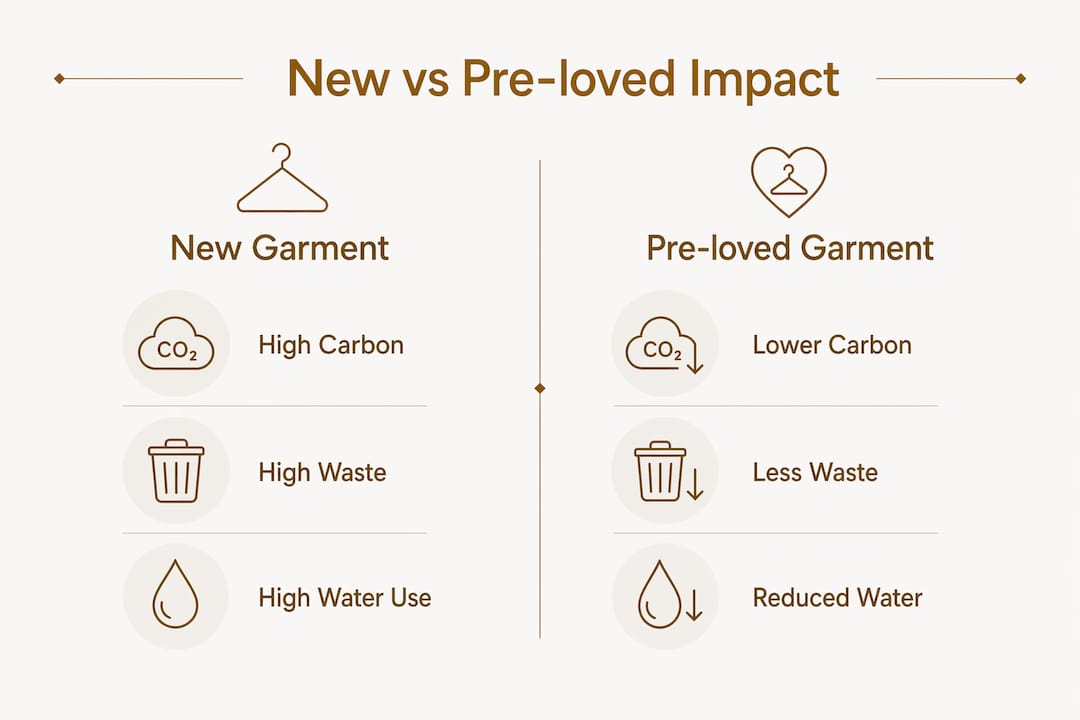
Pre-loved fashion reduces environmental impact at every stage of the supply chain. When a garment is resold rather than discarded, it skips the energy, water, and chemical processes required to manufacture a new piece. The carbon footprint of secondhand fashion is significantly lower than new fast fashion because no additional processing occurs after the initial production run. That single fact reframes pre-owned clothing from a budget choice to a climate choice.
The environmental case goes beyond carbon. Textile manufacturing is one of the most water-intensive industries on the planet, and buying pre-loved items sidesteps that demand entirely. Pre-loved shopping also diverts garments from landfill, which is where the majority of discarded clothing ends up within a year of purchase. This is the core logic of the circular economy: keep materials in use for as long as possible, and extract maximum value before any resource is lost.
Here is a snapshot of where pre-loved fashion delivers the clearest environmental wins:
- Carbon reduction: Reselling a garment avoids the emissions tied to fibre production, dyeing, and manufacturing.
- Water savings: No new fabric means no new water-intensive spinning or finishing processes.
- Landfill diversion: Each pre-loved purchase keeps one more item out of the waste stream.
- Reduced chemical use: Textile dyeing and treatment chemicals are among the most polluting in manufacturing. Pre-loved bypasses this entirely.
- Lower demand for virgin materials: Buying pre-owned clothing reduces pressure on cotton farms, synthetic fibre plants, and livestock operations.
| Environmental factor | New garment | Pre-loved garment |
|---|---|---|
| Carbon emissions | High (full production cycle) | Low (no new manufacturing) |
| Water consumption | High (fibre to fabric) | Negligible |
| Chemical processing | Significant | None |
| Landfill risk | High if discarded quickly | Reduced by extended lifecycle |
How does pre-loved differ from pre-owned, second-hand, and vintage?
The terms pre-loved, pre-owned, and second-hand all describe garments that have had a previous owner, but they carry different connotations that shape how shoppers and sellers position them. Pre-loved carries a connotation of care and uniqueness that generic second-hand terminology simply does not. The word “loved” implies the item was valued, well-maintained, and chosen with intention, which matters to buyers who want quality over quantity.
Understanding the distinctions helps you shop with more confidence:
- Second-hand: The broadest and oldest term. Covers any item that has had a prior owner, regardless of condition or care. Common in charity shops and garage sales.
- Pre-owned: A neutral, transactional term often used in retail and resale platforms. Focuses on ownership history rather than emotional value.
- Pre-loved: Signals that the previous owner cared for the item. Often used by curated resellers and conscious fashion communities to emphasise quality and story.
- Vintage: Refers specifically to garments from a previous era, typically at least 20 years old. Vintage fashion trends are driven by nostalgia, rarity, and cultural significance, not just sustainability.
- Upcycled apparel: A distinct category where existing garments are transformed into something new. Upcycling adds creative labour and changes the item’s form, while pre-loved resells it as-is.
The emotional weight of “pre-loved” is not just marketing. It shifts consumer perception from “used” to “valued,” which encourages buyers to treat the item with the same care the previous owner did. That mindset is what keeps garments circulating rather than ending up in landfill.
How can you build a sustainable wardrobe with pre-loved pieces?
Building a wardrobe around pre-loved fashion works best when you treat it as a long-term practice rather than a one-time shopping trip. The capsule wardrobe concept applies perfectly here: a small collection of versatile, high-quality pieces that work across multiple outfits and seasons. Pre-loved shopping is the most affordable way to build that foundation.
Follow these steps to build intentionally:
- Audit what you already own. Before buying anything, identify the gaps in your current wardrobe. Knowing exactly what you need prevents impulse purchases that add clutter.
- Create a wishlist. Write down specific items, colours, and sizes before you shop. Wishlist-based shopping prevents thrifting fatigue and keeps your choices purposeful.
- Prioritise natural fibres. Natural fibre garments maintain their shape better over time and carry a lower environmental impact across their lifecycle compared to synthetics. Look for cotton, wool, linen, and silk when browsing pre-owned clothing.
- Calculate Cost Per Wear. Divide the purchase price by the number of times you expect to wear the item. The Cost Per Wear metric reveals the true value of a garment and justifies spending a little more on a durable pre-loved piece over a cheap fast fashion alternative.
- Apply the “one in, one out” rule. Every time a new pre-loved item enters your wardrobe, one existing item leaves. Donate, resell, or repurpose it. This rule keeps your collection intentional and prevents overaccumulation.
- Think seasonally. Pre-loved coats, knitwear, and boots are often the best value finds because they are built to last. Prioritise outerwear and footwear for maximum Cost Per Wear returns.
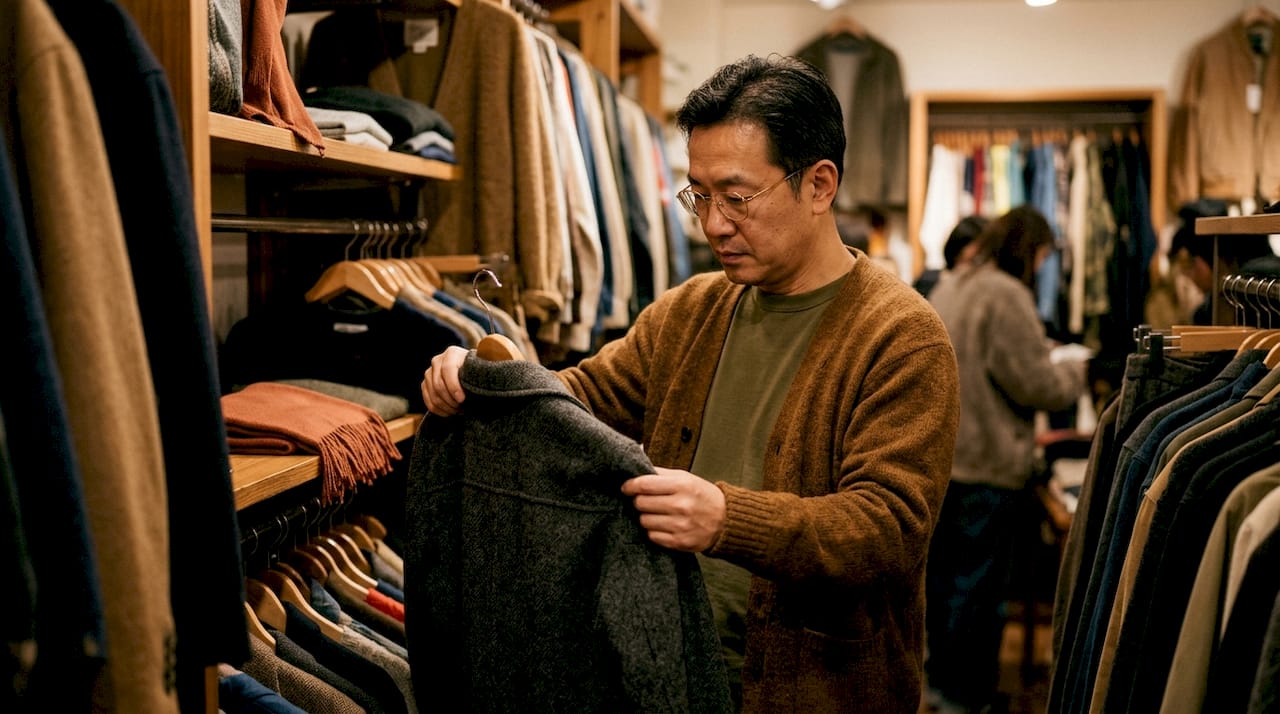
Pro Tip: When browsing thrift shops or online resale platforms, check seams, zippers, and fabric weight before buying. A well-constructed pre-loved piece in a natural fibre will outlast three fast fashion alternatives at the same price point.
Sustainable fashion writer Natalie Costello puts it plainly: affordability comes from mindset, not price tags. Buying less and choosing better is the actual strategy. Pre-loved fashion makes that strategy accessible to almost any budget.
What are the biggest misconceptions about pre-loved fashion?
The most common misconception is that sustainable fashion choices are expensive. The opposite is true for pre-loved shopping. A mindset shift toward buying less and choosing better quality is what drives affordability, not a higher income. Pre-owned clothing at a fraction of its original retail price, chosen with intention, costs far less over time than a steady stream of cheap fast fashion.
A second misconception is that all “eco-friendly” fashion is equally sustainable. It is not. Emily Capell notes that greenwashing through synthetic fibres remains a real problem: brands that market “eco collections” made from virgin polyester still contribute to microplastic pollution. Pre-loved fashion sidesteps this entirely because it reuses materials that already exist. No new fibres, no new pollution.
Watch out for these common traps:
- Buying too much at once. Thrift shopping can feel like a treasure hunt, which leads to overbuying. Stick to your wishlist.
- Ignoring garment condition. Not all pre-loved items are worth buying. Check for pilling, fading, and structural damage before committing.
- Assuming pre-loved means low quality. Many pre-loved pieces are higher quality than anything available in fast fashion today, precisely because they were built to last.
- Expecting perfection. Incremental progress is the realistic goal. You do not need a zero-waste wardrobe overnight to make a meaningful difference.
Pro Tip: If you are new to pre-loved shopping, start with accessories and outerwear. These categories have the highest quality-to-price ratio in the secondhand market and the lowest risk of fit issues.
The care given to old garments is itself a form of sustainability. Repairing, washing carefully, and storing properly extends a garment’s life far beyond what most shoppers expect.
Key takeaways
Pre-loved fashion is the most direct and affordable way to reduce your personal environmental impact from clothing consumption.
| Point | Details |
|---|---|
| Core definition | Pre-loved fashion covers previously owned clothing, footwear, and accessories re-entering the market. |
| Environmental impact | The fashion industry accounts for roughly 10% of global carbon emissions; pre-loved shopping reduces this directly. |
| Terminology matters | Pre-loved signals care and quality; second-hand and pre-owned are neutral; vintage refers to era-specific pieces. |
| Cost Per Wear | Divide purchase price by expected wears to assess true value and justify quality pre-loved purchases. |
| Greenwashing risk | Brands claiming “eco-friendly” with virgin synthetics still pollute; genuine pre-loved avoids new fibre production entirely. |
Why pre-loved fashion changed how I think about getting dressed
I used to think sustainable fashion was a category for people with money to spend on expensive ethical brands. Pre-loved fashion proved that wrong in a very practical way. The best coat I own cost me less than $40 at an estate sale. It is a heavy wool blend from the 1990s, and it has outlasted every fast fashion piece I bought in the same period. That single experience shifted how I approach every purchase.
What I have observed among eco-conscious shoppers is that the ones who stick with pre-loved fashion long-term are not the ones chasing perfection. They are the ones who started small, learned to read garment quality, and built their wardrobe slowly. The sustainable fashion benefits compound over time in the same way a good investment does. You buy less, you spend less overall, and the pieces you own actually mean something to you.
The cultural shift happening right now is real. Pre-loved is no longer a compromise. For a growing number of fashion-conscious women, it is the first choice.
— Glenville
Thoughtful fashion finds at 16thavenue
Choosing pre-loved pieces is a strong foundation for any eco-conscious wardrobe. Pairing them with carefully selected new pieces, chosen for longevity and quality, completes the picture.
16thavenue curates women’s fashion with exactly that balance in mind. The women’s woolen coat is built for seasons of wear, not a single winter. The sport sneakers collection pairs well with pre-loved denim and vintage finds. When you do buy new, choosing pieces designed to last is the natural extension of a pre-loved mindset. Browse 16thavenue’s eco-friendly fashion choices to find pieces worth keeping for years.
FAQ
What is pre-loved fashion in simple terms?
Pre-loved fashion is clothing, footwear, and accessories that have been previously owned and are resold to extend their useful life. The term emphasises care and quality, distinguishing it from generic second-hand or used clothing labels.
Is pre-loved fashion actually more sustainable?
Yes. The carbon footprint of secondhand fashion is significantly lower than new garments because no additional manufacturing occurs. Buying pre-loved also diverts clothing from landfill and reduces demand for new fibre production.
What is the difference between pre-loved and vintage?
Pre-loved refers to any previously owned garment regardless of age, while vintage specifically describes pieces from a prior era, typically at least 20 years old. Vintage fashion trends are driven by rarity and nostalgia; pre-loved is a broader sustainability category.
How do I avoid buying poor-quality pre-loved pieces?
Check seams, zippers, and fabric weight before purchasing. Prioritise natural fibres like wool, cotton, and linen, which hold their shape and last longer than synthetics. Use the Cost Per Wear metric to assess whether the price reflects the garment’s remaining useful life.
Can pre-loved fashion help me save money?
Pre-loved shopping is one of the most budget-friendly sustainable fashion strategies available. Buying less and choosing durable, well-made pieces over time costs significantly less than regular fast fashion purchases, especially when you apply the Cost Per Wear calculation to each buy.