


Resort wear explained: your complete 2026 style guide
TL;DR:
- Resort wear is versatile, breathable clothing designed to carry you seamlessly from daytime leisure to evening dining. Most dress codes range from casual to formal, with elegant casual offering a safe evening default, while fabrics like linen, cotton, and chiffon form the foundation of the wardrobe. Accessories play a key role in shifting outfit registers, and curated collections are available for easy resort wardrobe building.
What is resort wear, exactly?
Resort wear is a category of warm-weather clothing designed to carry you through an entire vacation day without a full outfit change. Think linen trousers at a waterfront lunch, a breezy sundress for an afternoon stroll, and a chiffon wrap dress for dinner on the terrace. The same suitcase, the same pieces, multiple occasions.
At its core, resort wear solves a specific problem: how do you look polished in 30-degree heat across settings that range from beach-casual to evening-elegant? The answer is thoughtful fabric choices, relaxed but refined silhouettes, and pieces that resist wrinkles, breathe in humidity, and shift registers with a simple accessory swap.
What resort wear is NOT: gym clothes, heavy denim, or formal eveningwear. It excludes those categories entirely, focusing instead on polished-yet-relaxed style adapted for both day and evening resort activities.
Key style components of resort wear include:
- Fabrics: linen, cotton, rayon, chiffon, silk blends, and jersey
- Silhouettes: flowing maxi dresses, wide-leg trousers, relaxed button-downs, tailored shorts
- Prints: florals, tropical motifs, bold geometric patterns, abstract designs
- Footwear: sandals, espadrilles, slip-on loafers, low wedges
- Accessories: wide-brimmed hats, straw bags, statement jewellery, sunglasses
- Colour palette: vibrant brights, earthy neutrals, or crisp whites — usually kept to three coordinating tones
16thavenue carries a curated selection of resort-ready pieces across all these categories, making it a practical starting point when you’re building a vacation wardrobe from scratch.
Table of Contents
- How resort dress codes actually break down
- Daytime vs. evening: garments and fabrics that work
- Resort wear vs. beachwear vs. casual wear: what’s the difference?
- Resort wear trends for Canadian travellers in 2026
- How to choose resort wear for different Canadian climates and seasons
- 16thavenue has the resort pieces you actually need
- Key takeaways
How resort dress codes actually break down
Resort dress codes are not one-size-fits-all. Most upscale properties operate across at least three distinct registers, and knowing which applies to your dinner reservation or pool day saves you from showing up in the wrong outfit.
Resort dress codes typically range from casual and resort casual at one end to elegant casual and formal resort wear at the other. Here is how each plays out in practice:
Resort casual The most common code at mid-range and upscale resorts. For women: sundresses, linen trousers with a blouse, tailored shorts with a structured top. For men: chinos or linen pants, a collared shirt or polo, clean leather sandals or loafers. Swimwear cover-ups are acceptable poolside but not at the restaurant. Finishing touches like structured sandals, statement jewellery, or a woven bag are what separate resort casual from just “casual.”
Elegant casual (also called smart casual) A step up, typically required at resort restaurants and sunset cocktail events. Women reach for midi or maxi dresses, wide-leg trousers with a silk blouse, or a tailored jumpsuit. Men wear dress trousers or dark chinos, a collared shirt (tucked), and closed-toe shoes or refined leather sandals. Flip-flops and shorts are out.
Resort evening / formal resort wear Reserved for captain’s dinners on cruises, gala nights, or fine-dining restaurants at luxury properties. Floor-length gowns, elegant cocktail dresses, or a sophisticated two-piece set for women. Men wear a blazer, dress shirt, and dress trousers at minimum. This is the one occasion where resort wear overlaps with traditional formalwear.
Casual resort (daytime only) The most relaxed tier: swimsuit cover-ups, casual shorts, breezy tops, sandals. Appropriate for beach clubs, poolside bars, and informal breakfast spots. The moment you step into an air-conditioned restaurant or lobby, the expectation shifts upward.
A few nuances worth knowing: upscale resorts in the Caribbean and Mediterranean often enforce dress codes more strictly than Canadian all-inclusives. Always check the property’s guidelines before packing. And when in doubt, elegant casual is the safest default for any evening setting.
Daytime vs. evening: garments and fabrics that work
The practical genius of resort wear is that the same fabric wardrobe can cover both ends of the day. The difference is mostly in silhouette, layering, and how you accessorise.
Daytime resort wear
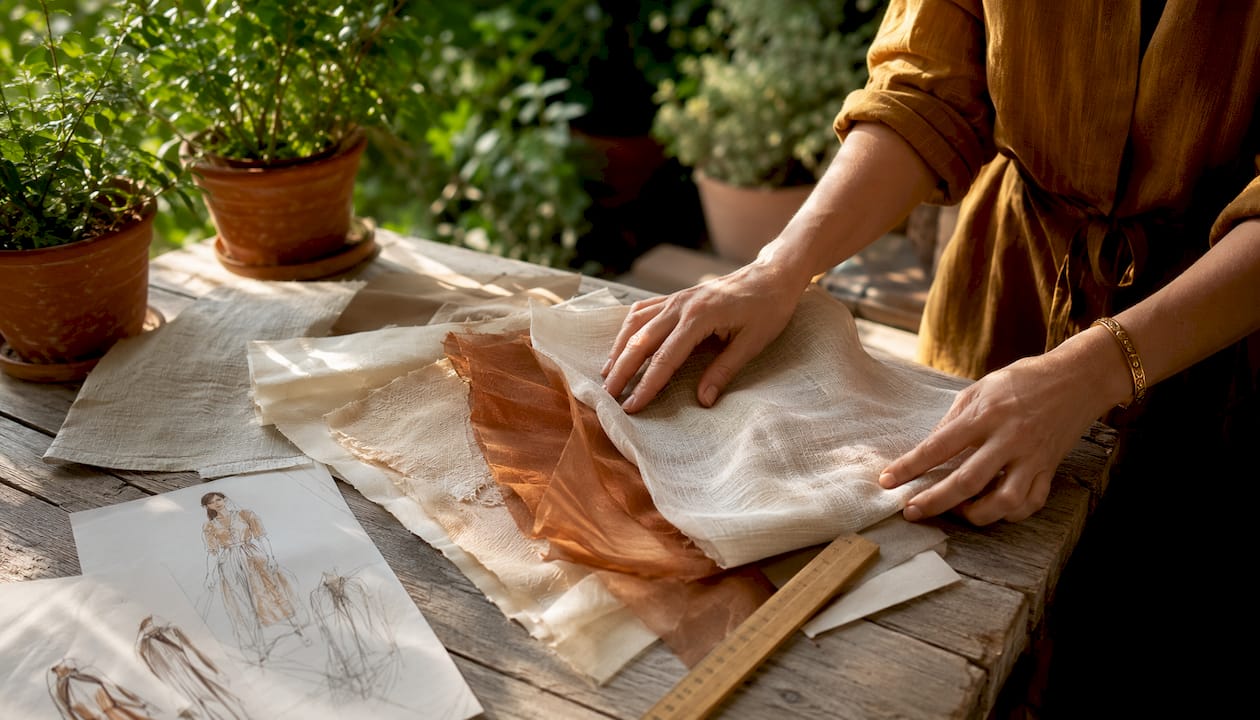
Daytime pieces prioritise breathability above everything else. Natural fibres like linen and cotton are the standard recommendation because they wick moisture and keep you cool in humidity. Rayon and lightweight jersey blends are close seconds, offering more drape and wrinkle resistance.
Common daytime garments include:
- Linen trousers or wide-leg pants
- Casual sundresses and shirt dresses
- Swimsuit cover-ups (kaftans, sarongs, beach tunics)
- Tailored shorts (not athletic or cargo)
- Lightweight blouses and breezy button-down tops
Evening resort wear
Evening pieces use the same lightweight fabrics but in more refined cuts. Chiffon and silk blends earn their place here because they drape elegantly and photograph beautifully under warm lighting. A linen blazer thrown over a sundress is one of the simplest upgrades you can make.
Common evening garments include:
- Midi and maxi dresses in chiffon or jersey
- Wrap dresses and tailored jumpsuits
- Silk or satin blouses with wide-leg trousers
- Collared shirts and polos (men) with linen slacks
- Lightweight blazers or structured cardigans for air-conditioned dining rooms
Fabric comparison at a glance
| Fabric | Best for | Key benefit |
|---|---|---|
| Linen | Daytime, casual | Maximum breathability, natural texture |
| Cotton | Daytime, all-day | Soft, easy to wash, widely available |
| Rayon | Day and evening | Drapes well, wrinkle-resistant |
| Chiffon | Evening | Elegant drape, lightweight |
| Jersey blend | Day and evening | Comfortable stretch, packable |
| Silk blend | Evening | Luxurious finish, temperature-regulating |
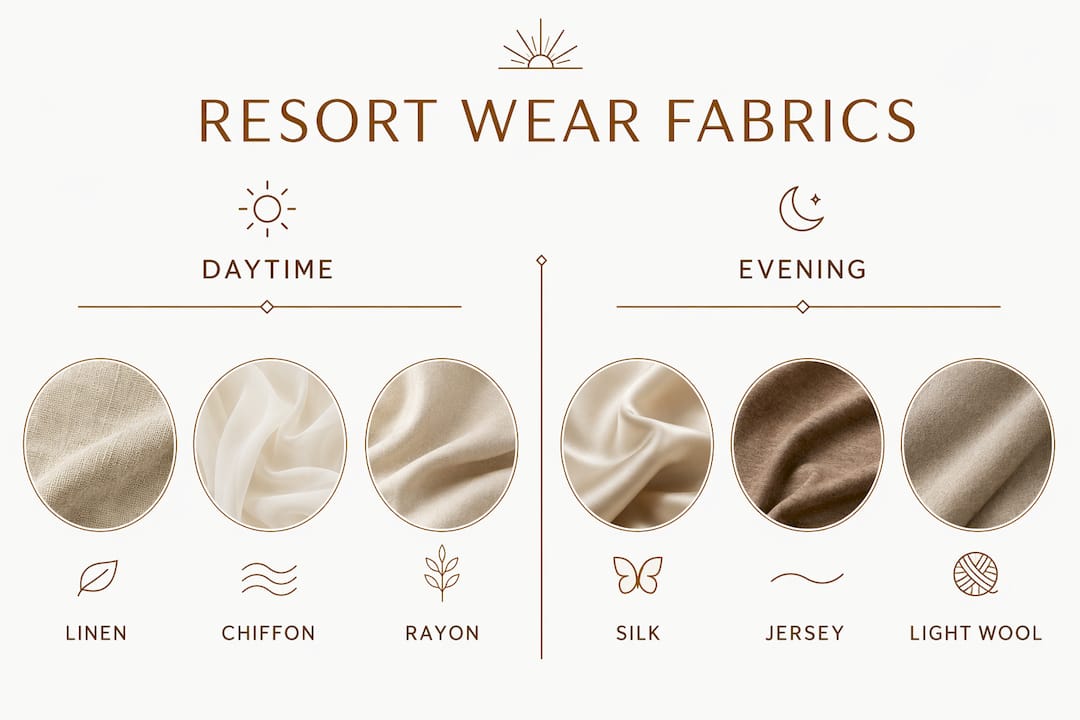
Resort wear fabrics like rayon, chiffon, linen, and jersey blends also tend to feature bold tropical or abstract prints, which is part of what gives resort wear its distinctive visual identity. A solid-colour linen pant paired with a printed chiffon top is a classic combination precisely because it balances the two.
16thavenue’s collections include dresses, blouses, and separates in these fabric families, so you can mix and match pieces across the day-to-evening spectrum without starting from zero.
Resort wear vs. beachwear vs. casual wear: what’s the difference?
This is where most people get tripped up, and the confusion is understandable. All three categories overlap at the edges.
Beachwear is primarily designed for swimwear and cover-ups at the sand or poolside. It is functional first: rash guards, bikinis, one-pieces, and the wraps or kaftans you throw over them. Beachwear stops at the beach. You would not wear a sarong to a resort restaurant, even a casual one.
Resort wear is broader. It is the category that picks up where beachwear leaves off and carries you through the rest of the day. Higher-quality fabrics, more refined cuts, and enough polish to move from a poolside bar to a waterfront dinner without changing entirely.
Casual or summer wear is the everyday version of warm-weather dressing: shorts, T-shirts, sundresses from any high-street store. The distinction from resort wear is fabric quality, cut, and occasion-readiness. A cotton T-shirt and denim shorts are casual wear. Linen trousers and a printed blouse are resort wear. The line is not always sharp, but the intent is different.
Key contrasts:
- Beachwear: swimwear-focused, sand and pool only, functional over polished
- Casual wear: everyday summer clothing, no occasion-specific design
- Resort wear: versatile, occasion-spanning, higher-quality fabrics, polished enough for resort dining
Building a resort wardrobe does not require buying an entirely new wardrobe. Experts consistently recommend starting with existing summer clothes in breathable fabrics, then editing down to a tight colour palette of three coordinating tones. The goal is maximum outfit combinations from minimum pieces.
Pro Tip: Accessories do the heavy lifting in resort wear. A simple linen dress becomes resort casual with a structured sandal and a statement necklace; the same dress with flat slides and a tote bag reads as casual. Accessories are often more powerful than adding new clothing items when you want to shift the register of an outfit.
Multi-functional fashion is the underlying principle here: every piece in your resort bag should work in at least two settings.
Resort wear trends for Canadian travellers in 2026
Canadians have a particular relationship with resort wear. After six months of cold weather, the annual escape to warmer destinations carries real emotional weight, and the wardrobe choices reflect that. Here is what is shaping resort style for Canadian travellers this year.
Earthy and terracotta tones alongside bold colour pops. The muted, warm palette that dominated editorial fashion over the past two years has carried into resort wear, with rich browns, burnt oranges, and clay tones appearing in linen sets and maxi dresses. These pair naturally with vibrant accent pieces, which is where the colour pop comes in: a cobalt blue bag, a coral wrap, a yellow sandal.
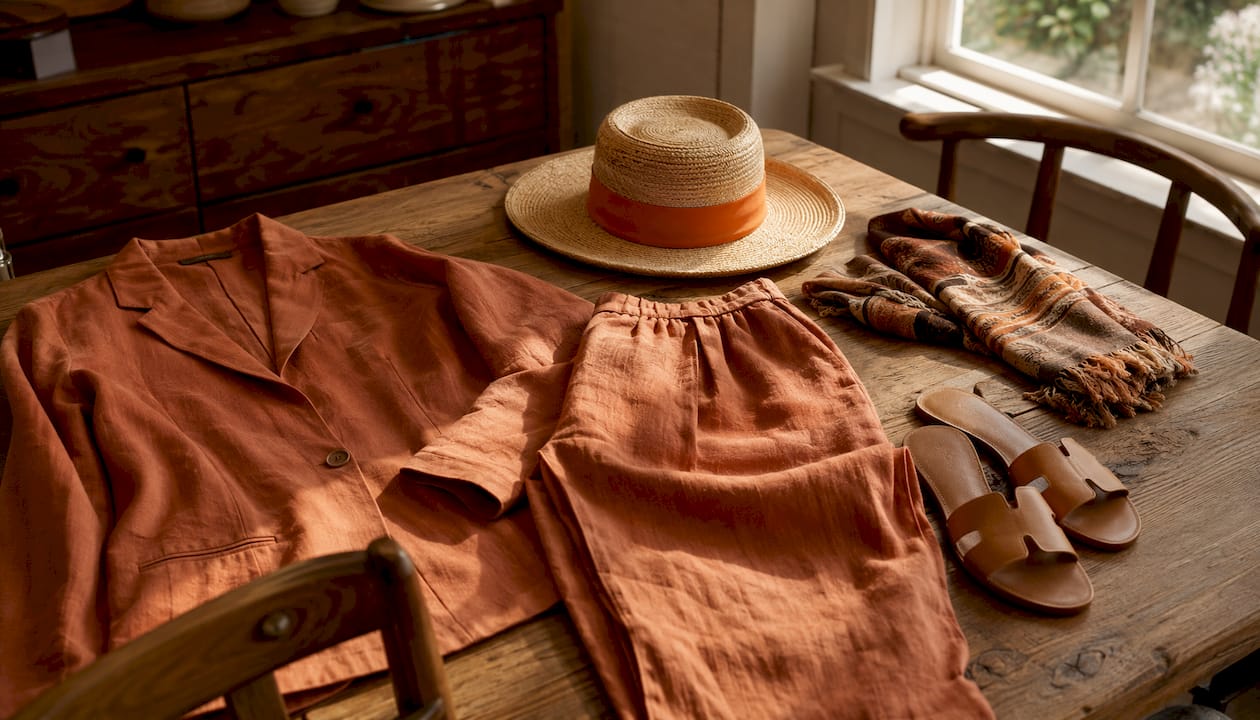
Linen sets as a travel staple. Matching linen co-ord sets (a wide-leg trouser and a relaxed blazer or blouse in the same fabric and colour) have become the go-to resort outfit for Canadian women who want to look intentional without overthinking it. They pack flat, resist wrinkles, and work from a morning market to an evening restaurant.
Elevated swimwear cover-ups. The line between a cover-up and a resort outfit has blurred considerably. Kaftans with embroidery, sheer printed dusters, and structured beach shirts are now worn well beyond the pool deck. Canadians shopping for swimwear styles are increasingly choosing cover-ups that double as evening layers.
Packable footwear with real support. The flat sandal has evolved. In 2026, the most popular resort footwear among Canadian travellers combines style with genuine arch support, reflecting a broader shift toward comfort-first dressing without sacrificing aesthetics. Low wedges and cushioned espadrilles are the practical middle ground.
Sustainable and natural fabrics. Canadian consumers are paying closer attention to fabric sourcing. Linen, organic cotton, and translucent lightweight fabrics in natural fibres are preferred over synthetic alternatives, both for environmental reasons and because they genuinely perform better in heat.
How to choose resort wear for different Canadian climates and seasons
Canada’s geography creates a genuinely unusual resort wear situation. A Torontonian flying to Cancún in February and a Vancouverite heading to Palm Springs in April are both packing resort wear, but their departure climates and trip lengths differ significantly.
Winter escapes (November through March) This is the classic Canadian resort scenario: escaping a -15°C winter for a 30°C Caribbean or Mexican destination. Pack for the destination, not the departure. Linen, cotton, and rayon are your core fabrics. Bring one lightweight layer (a linen blazer or a cotton cardigan) for heavily air-conditioned restaurants and airport lounges, not for warmth outside. Keep the colour palette warm and bright to match the destination’s energy.
Spring breaks (March through May) Shoulder-season destinations like Florida, Arizona, or Southern California can have cooler evenings. A jersey wrap dress or a chiffon midi with a light knit layer covers the temperature swing. Packable pieces matter more here because you may be moving between climates.
Summer travel (June through August) Canadians travelling domestically to cottage country or internationally to Mediterranean destinations need resort wear that handles genuine heat. This is when breathable fabrics like linen and cotton earn their keep most. Loose silhouettes, minimal layering, and UV-protective fabrics (look for UPF ratings) are worth prioritising.
Fall getaways (September through October) Destinations like Portugal, Greece, or Mexico’s Pacific coast are still warm in early fall. The temperature range is wider, so versatility matters most. A linen trouser that pairs with both a tank top and a silk blouse covers the full day-to-evening range without adding bulk to your bag.
Travel experts recommend prioritising packable pieces in a simple colour palette with a few hero layers to upgrade basics for resort casual style. For Canadian travellers specifically, that means thinking about the airport experience (comfort for a long flight) alongside the destination experience (style for the resort).
One practical framework: build your resort bag around three bottoms, five tops, two dresses, and one layer. Every combination should work. That constraint forces better choices than packing by mood.
16thavenue has the resort pieces you actually need
Resort wear shopping works best when you can see the full picture: how a linen blouse pairs with wide-leg trousers, how a printed dress reads in evening light, how a cover-up transitions from poolside to a casual lunch. 16thavenue is built for exactly that kind of curated, occasion-aware shopping.
The 16thavenue collection covers the full resort wardrobe spectrum, from swimwear-ready cover-ups and breezy dresses to footwear like the Women’s Casual Low Wedge Sport Sneakers that handle a full day of resort activity without sacrificing style. For Canadian travellers heading into cooler shoulder seasons, the Women’s Trendy Woolen Coat covers the airport-to-destination transition without adding a separate bag. Free shipping to most destinations means you can build your resort capsule without the usual friction of online fashion shopping. Browse the full collection at 16thavenue.ca and filter by occasion, fabric, or season to find pieces that actually travel well.
Key takeaways
Resort wear is versatile, polished warm-weather clothing built around breathable fabrics and relaxed silhouettes that carry you from daytime leisure to evening dining without a full outfit change.
| Point | Details |
|---|---|
| Resort wear defined | Warm-weather vacation clothing in breathable fabrics like linen, cotton, and chiffon, designed for day-to-evening versatility. |
| Dress codes vary | Resort casual, elegant casual, and formal resort wear each require different garments; elegant casual is the safest evening default. |
| Fabric is the foundation | Linen and cotton lead for daytime; chiffon and silk blends work best for evening; rayon and jersey bridge both. |
| Accessories shift the register | A structured sandal and statement jewellery can move a simple linen dress from casual to resort casual without a new outfit. |
| 16thavenue for resort shopping | 16thavenue offers curated resort-ready dresses, footwear, and seasonal pieces with free shipping to most destinations. |