


What is slow fashion: stylish, sustainable choices in 2026
Fast fashion promises endless trends at bargain prices, but the true cost hides behind flashy marketing. Slow fashion offers a compelling alternative, prioritising quality, ethics, and environmental responsibility without sacrificing style. This movement challenges the throwaway culture by championing garments designed to last, produced under fair labour conditions, and crafted from sustainable materials. You’ll discover what slow fashion truly means, how it compares to fast fashion, common misconceptions, and practical steps to build a wardrobe that reflects your values. Understanding slow fashion empowers you to make purchasing decisions that benefit both your style and the planet.
Table of Contents
- What Is Slow Fashion And Why It Matters In 2026
- How Slow Fashion Compares With Fast Fashion
- Common Challenges And Misconceptions About Slow Fashion
- How You Can Embrace Slow Fashion In Your Wardrobe
- Explore Sustainable Fashion Selections At 16th Avenue
- Frequently Asked Questions
Key takeaways
| Point | Details |
|---|---|
| Quality over quantity | Slow fashion emphasises durable, well-made garments that outlast disposable fast fashion alternatives |
| Environmental impact | Choosing slow fashion reduces waste, emissions, and pollution compared to mass-produced clothing |
| Ethical production | Slow fashion supports fair wages and safe working conditions for garment workers globally |
| Timeless style | Investment pieces offer versatility across seasons, reducing the need for constant trend purchases |
| Conscious consumerism | Mindful shopping and proper garment care extend clothing life and minimise environmental footprint |
What is slow fashion and why it matters in 2026
Slow fashion represents a deliberate shift away from the rapid production cycles that define mainstream clothing retail. It emphasises thoughtful design, sustainable materials, transparent supply chains, and ethical labour practices. Unlike fast fashion’s focus on disposable trends, slow fashion creates garments meant to endure both physically and stylistically.
The movement gained momentum as consumers recognised the hidden costs of cheap clothing. The global sustainable fashion market is projected to reach $9.81 billion by 2025, demonstrating growing demand despite challenges in scaling production and maintaining affordability. This growth reflects increasing awareness of fashion’s environmental footprint and social impact.
Core principles distinguish slow fashion from conventional retail approaches:
- Prioritising craftsmanship and durability over speed and volume
- Using organic, recycled, or responsibly sourced materials
- Ensuring fair wages and safe conditions throughout production
- Creating classic designs that transcend seasonal trends
- Maintaining transparency about manufacturing processes and origins
Adopting slow fashion addresses urgent environmental concerns. The fashion industry contributes significantly to global carbon emissions, water pollution, and textile waste. By choosing quality over quantity, you directly reduce demand for resource-intensive production cycles. Each garment purchase becomes an opportunity to support sustainable practices rather than perpetuating harmful systems.
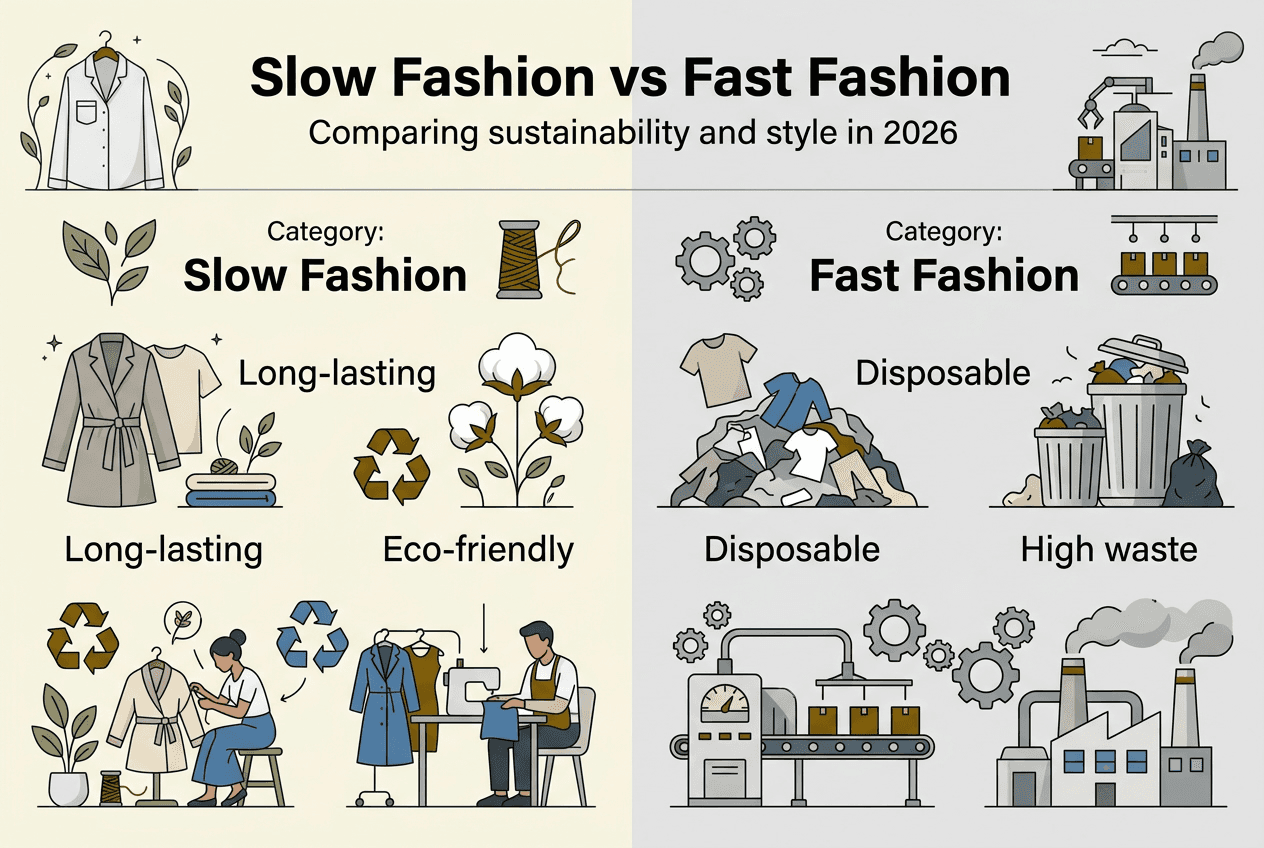
Understanding what is sustainable fashion helps clarify how slow fashion fits within broader ethical consumption movements. The approach encourages building wardrobes around versatile pieces that work across multiple occasions and seasons, eliminating the pressure to constantly refresh your style.
Pro Tip: Start identifying slow fashion brands by researching their production methods, material sourcing, and labour practices before making purchases.
The relevance of slow fashion intensifies as climate concerns and social justice movements influence consumer behaviour. Younger shoppers particularly value brands demonstrating genuine commitment to sustainability and ethics. This shift creates market pressure for transparency, pushing even mainstream retailers to reconsider their practices.
How slow fashion compares with fast fashion
The contrast between slow and fast fashion extends beyond production speed to encompass fundamental differences in values, impact, and consumer experience. Fast fashion thrives on rapid trend replication, low prices, and planned obsolescence. Brands release new collections weekly, encouraging constant purchasing and disposal. This model relies on cheap labour, synthetic materials, and streamlined manufacturing that prioritises volume over quality.
Slow fashion inverts these priorities entirely. Production timelines extend to accommodate careful craftsmanship and quality control. Designers focus on creating pieces that remain relevant beyond a single season, using materials selected for longevity and environmental compatibility. The pricing reflects true production costs, including fair wages and sustainable practices.
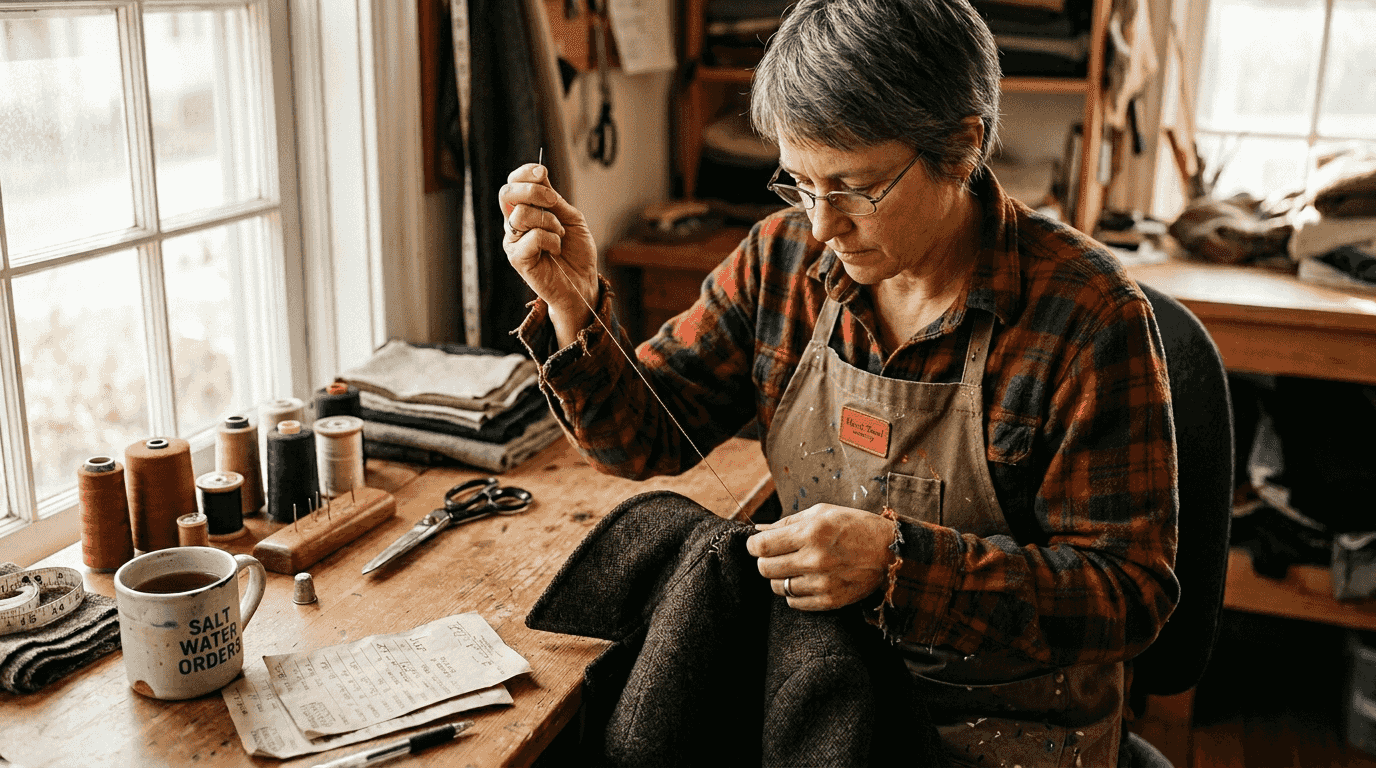
Environmental implications differ dramatically between models. Fast fashion generates massive textile waste, with garments often discarded after minimal wear. Chemical-intensive production pollutes waterways, while synthetic fabrics shed microplastics during washing. Slow fashion supports ethical production and reduces environmental impact, with some approaches cutting emissions by substantial margins compared to conventional manufacturing.
| Factor | Fast Fashion | Slow Fashion |
|---|---|---|
| Production time | Days to weeks | Weeks to months |
| Environmental footprint | High emissions, waste, pollution | Reduced emissions, minimal waste |
| Cost per item | Low upfront price | Higher initial investment |
| Garment lifespan | Months to one season | Years to decades |
| Labour practices | Often exploitative wages | Fair compensation, safe conditions |
| Style approach | Trend-driven, disposable | Timeless, versatile |
Labour conditions represent another critical distinction. Fast fashion frequently relies on factories where workers face unsafe environments, excessive hours, and wages below living standards. Supply chains lack transparency, making accountability difficult. Slow fashion brands typically maintain closer relationships with manufacturers, ensuring ethical treatment and fair compensation.
Consumer experience shifts significantly between models. Fast fashion offers immediate gratification through low prices and constant novelty, but garments deteriorate quickly and styles date rapidly. Slow fashion requires patience and higher upfront investment, yet delivers superior quality, lasting style, and the satisfaction of supporting ethical practices.
Understanding the fast fashion impact clarifies why transitioning to slow fashion benefits both personal style and broader social good. The throwaway culture promoted by fast fashion normalises waste and disconnects consumers from the true cost of their clothing.
Pro Tip: Calculate cost per wear when comparing fast and slow fashion items to recognise the long-term value of quality garments.
The choice between models ultimately reflects personal values and priorities. Fast fashion appeals through accessibility and variety, while slow fashion attracts those prioritising sustainability, ethics, and enduring style. Recognising these differences empowers informed purchasing decisions aligned with your goals.
Common challenges and misconceptions about slow fashion
Several persistent myths discourage consumers from exploring slow fashion, despite its benefits. Addressing these misconceptions reveals a more nuanced reality that makes sustainable style accessible to diverse budgets and preferences.
The most common misconception equates slow fashion with expensive, boring clothing. Critics assume sustainable garments lack style diversity or trend awareness. This oversimplification ignores the growing number of brands offering fashionable, contemporary designs using ethical production methods. Slow fashion encompasses various aesthetics, from minimalist basics to bold statement pieces.
Affordability concerns present genuine challenges. The slow fashion market is challenged by scalability and affordability despite growth, as ethical production costs more than exploitative alternatives. Higher prices reflect fair wages, quality materials, and sustainable practices rather than excessive markup. However, strategic shopping makes slow fashion accessible across income levels.
Key misconceptions include:
- Slow fashion means wearing outdated or second-hand clothes exclusively
- Sustainable garments sacrifice style for environmental credentials
- Only wealthy consumers can afford ethical fashion
- Limited variety restricts personal expression and trend participation
- Slow fashion brands lack transparency about their practices
Scalability limitations affect market growth and pricing. Small-batch production using sustainable materials costs significantly more than mass manufacturing. This reality creates tension between accessibility and maintaining ethical standards. Some brands compromise by offering mixed collections, combining sustainable pieces with conventional production to reach broader markets.
Style relevance worries particularly affect younger consumers who value trend participation. The misconception that slow fashion means abandoning current styles ignores how many sustainable brands interpret contemporary trends through quality construction and versatile designs. Understanding seasonal collections importance demonstrates how ethical brands balance timeless appeal with seasonal freshness.
“The sustainable fashion market faces significant challenges in scaling production while maintaining affordability, despite projected growth to $9.81 billion by 2025. Brands must balance ethical commitments with accessible pricing to reach mainstream consumers.”
Another barrier involves confusion about what constitutes slow fashion. Some consumers conflate any second-hand shopping or garment repair with the movement, missing its emphasis on intentional production practices and supply chain transparency. While extending clothing life aligns with slow fashion values, the term specifically describes manufacturing approaches prioritising sustainability and ethics.
Pro Tip: Build a slow fashion wardrobe gradually by replacing fast fashion items with quality alternatives as needed, rather than attempting complete wardrobe overhaul immediately.
Overcoming these challenges requires education, strategic shopping, and realistic expectations. Slow fashion represents an ideal worth pursuing, even if perfect adherence proves difficult. Every conscious purchase decision contributes to shifting market demand toward more sustainable practices.
How you can embrace slow fashion in your wardrobe
Transitioning to slow fashion requires intentional choices rather than complete wardrobe replacement. Practical strategies make sustainable style achievable regardless of budget constraints or current clothing collection.
Start by auditing existing garments to identify quality pieces worth keeping and gaps requiring new purchases. Focus replacement efforts on versatile basics that work across multiple outfits and seasons. Prioritise natural fibres like organic cotton, linen, wool, and silk over synthetic alternatives when possible, as these materials biodegrade and often last longer with proper care.
Research brands before purchasing to verify their sustainability claims and labour practices. Look for transparency about manufacturing locations, material sourcing, and worker conditions. Certifications like Fair Trade, GOTS (Global Organic Textile Standard), and B Corp status indicate genuine commitment to ethical practices, though absence doesn’t necessarily signal problems.
Key strategies for building a slow fashion wardrobe:
- Invest in timeless pieces like quality denim, classic coats, and versatile dresses
- Choose neutral colours and simple designs that pair easily with multiple items
- Buy fewer garments overall, selecting each piece deliberately
- Support brands demonstrating transparency about production and materials
- Learn basic garment care and repair skills to extend clothing life
Consumers adopting slow fashion can meaningfully reduce environmental impact and support ethical labour practices through purchasing decisions. Each quality garment replaces multiple disposable alternatives, reducing overall consumption while improving wardrobe functionality.
Proper care dramatically extends garment lifespan, maximising your investment. Wash clothes less frequently using cold water, air dry when possible, and store items properly to prevent damage. Address minor repairs immediately rather than discarding damaged pieces. These habits reduce environmental impact while preserving garment quality and appearance.
| Wardrobe building step | Benefit | Example |
|---|---|---|
| Choose natural fibres | Biodegradable, durable, breathable | Organic cotton tees, linen trousers, wool coats |
| Invest in versatile basics | Multiple outfit combinations | White button-down, black trousers, quality denim |
| Proper garment care | Extended lifespan, maintained appearance | Cold water washing, air drying, prompt repairs |
| Research brand ethics | Support fair labour, transparency | Check certifications, read production details |
| Buy second-hand quality | Affordable sustainable options | Vintage leather goods, designer pieces |
Budget-conscious approaches make slow fashion accessible without financial strain. Shop sales and discount events at ethical brands, explore second-hand markets for quality pieces, and build your wardrobe gradually rather than all at once. Understanding smart fashion shopping tips helps identify genuine value without compromising sustainability goals.
Pro Tip: Calculate cost per wear by dividing garment price by expected wearing occasions to justify higher upfront investments in quality pieces.
Prioritise versatility when selecting new pieces. A well-made blazer works for professional settings, casual outings, and evening events when styled appropriately. Classic silhouettes transcend trends, ensuring garments remain wearable for years. This approach builds a cohesive wardrobe requiring fewer total items while offering diverse styling options.
Embracing slow fashion doesn’t demand perfection or immediate transformation. Small, consistent choices accumulate into significant impact over time. Focus on progress rather than purity, recognising that every conscious decision supports positive change in the fashion industry.
Explore sustainable fashion selections at 16th Avenue
Now that you understand slow fashion principles and benefits, discovering quality pieces that embody these values becomes the natural next step. 16th Avenue curates stylish garments crafted with attention to detail and lasting quality, supporting your sustainable wardrobe goals.
Our collection features timeless essentials designed to transcend seasonal trends. Explore our trendy woolen coats for versatile outerwear that combines warmth with classic style. Discover vintage designer handbags offering enduring elegance and functionality. Each piece reflects thoughtful design and quality construction, creating wardrobe staples you’ll reach for repeatedly.
Shopping consciously doesn’t mean sacrificing style or convenience. Visit the 16th Avenue online store to browse selections that align with your values while expressing your personal aesthetic. Building a sustainable wardrobe starts with informed choices and quality pieces that serve you well beyond a single season.
Frequently asked questions
What is slow fashion?
Slow fashion is a movement emphasising quality, sustainability, and ethical production in clothing manufacturing. It prioritises durable garments, fair labour practices, and environmental responsibility over rapid trend cycles and disposable consumption. This approach creates lasting wardrobe pieces designed to transcend seasonal trends.
How does slow fashion benefit the environment?
Slow fashion reduces waste by creating durable garments that last years rather than months. It limits pollution through sustainable materials and responsible manufacturing processes. Lower production volumes and quality focus decrease carbon emissions compared to fast fashion’s resource-intensive mass production. These practices collectively minimise fashion’s environmental footprint.
Is slow fashion more expensive than fast fashion?
Slow fashion items typically cost more upfront due to quality materials, fair wages, and sustainable practices. However, superior durability and timeless style deliver better long-term value through extended wear. Calculating cost per wearing often reveals slow fashion as more economical than repeatedly replacing cheap garments. Strategic shopping through sales and second-hand markets further improves affordability.
How can I start building a slow fashion wardrobe?
Begin by investing in versatile basics like quality denim, classic coats, and neutral tops that work across multiple outfits. Research brands committed to transparency about production and labour practices. Prioritise natural fibres and timeless designs over trendy pieces. Build gradually, replacing fast fashion items with quality alternatives as needed rather than attempting immediate complete transformation.
Does slow fashion mean I can’t follow trends?
Slow fashion doesn’t prohibit trend participation but encourages selective, intentional choices. Focus on trends aligning with your personal style and wardrobe needs rather than every passing fad. Choose quality versions of trends you genuinely love, ensuring pieces remain wearable beyond peak popularity. This balanced approach lets you express current style preferences while maintaining sustainable consumption habits.