


What is trendsetting style: your 2026 fashion guide
TL;DR:
- Trendsetting style involves proactively initiating new fashion aesthetics rooted in originality and confidence. It relies on personal aesthetic principles and cultural awareness to shape trends early and influence others. Building a cohesive wardrobe through curated statement pieces and authentic interpretation defines true trendsetting.
Trendsetting style is defined as the deliberate practice of initiating or popularising new fashion aesthetics before they achieve mainstream recognition. According to Merriam-Webster, a trendsetter is an individual or entity that leads the adoption of a new style or cultural movement. This is not passive trend-following. It is proactive style leadership grounded in originality, confidence, and cultural awareness. Understanding what is trendsetting style means recognising that the most influential dressers do not wait for permission from runways or retailers. They build a personal aesthetic framework and wear it with conviction, shaping what others eventually want to wear.
What are the key characteristics of trendsetting style?
Trendsetting style rests on three qualities: originality, confidence, and cultural awareness. Originality means you are not copying a look wholesale. You are pulling references from art, music, architecture, or history and synthesising them into something that feels distinctly yours. Confidence is what makes the look land. Without it, even the most considered outfit reads as costume rather than personal statement.
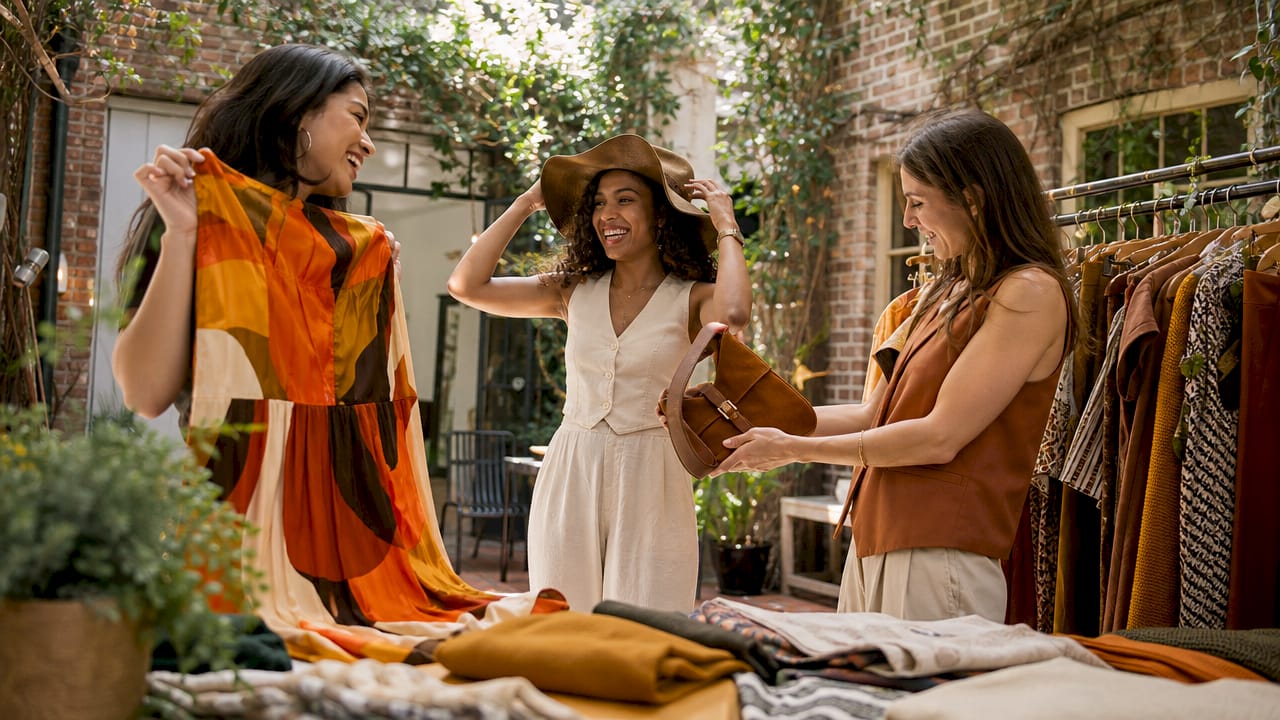
Cultural awareness separates a true trendsetter from someone who is simply early to a trend. Trendsetters read the room at a societal level. They understand which aesthetics resonate with a cultural moment and why. That awareness is what gives their choices staying power beyond a single season.
A practical way to anchor this is by defining your own style philosophy. Developing a style philosophy means identifying 2–3 core aesthetic keywords that guide every purchase and outfit decision. Words like “architectural,” “earthy,” or “graphic” act as filters. They help you adopt trends that align with your identity and ignore the ones that do not.
- Originality: Combine references from outside fashion, such as vintage film, industrial design, or botanical illustration, to build a look no one else is wearing.
- Confidence: Wear the look as though it is already the standard. Hesitation undermines even the most considered outfit.
- Cultural awareness: Track shifts in music, art, and social conversation. Trends in fashion almost always follow cultural movements.
- A defined style philosophy: Choose 2–3 aesthetic keywords and use them as a filter for every wardrobe decision.
- Statement pieces paired with strong basics: One standout garment anchors multiple outfits without requiring constant new purchases.
Pro Tip: Write your three style keywords on a note in your phone. Before buying anything new, check whether it fits at least two of them. This single habit eliminates impulse purchases and keeps your wardrobe coherent.
How do fashion trends emerge and how do trendsetters influence them?
Fashion trends are recurring patterns in colours, fabrics, silhouettes, or aesthetics that achieve widespread recognition. Trends emerge when a pattern repeats across at least three distinct channels, such as runways, social media accounts, and street style photography. That three-channel rule is significant. It means a single viral post does not make a trend. Repetition across different contexts does.
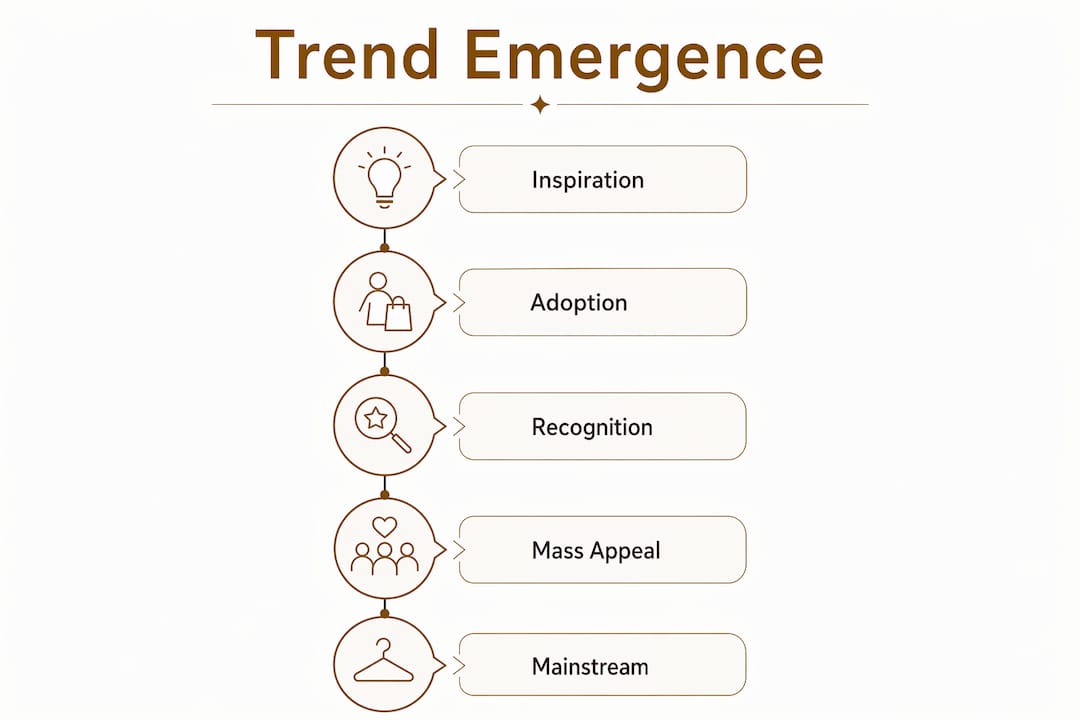
Trendsetters sit at the beginning of that process. They wear something before it crosses the three-channel threshold. Their choices get photographed, shared, and referenced. Eventually, the pattern repeats enough to qualify as a trend. The trendsetter did not follow the wave. They created the conditions for it.
Social media has compressed this cycle dramatically. Microtrends now move from niche community to mass adoption in weeks rather than seasons. That speed rewards fashion enthusiasts who have a clear personal aesthetic. Without one, the pace of microtrends leads to overconsumption and an incoherent wardrobe. With one, you can filter quickly and adopt only what genuinely fits your look. You can read more about how trends shape retail and personal style in the broader fashion industry.
| Channel | Role in trend emergence | Example |
|---|---|---|
| Runway collections | Set seasonal colour and silhouette direction | Oversized tailoring appearing across multiple designers |
| Social media | Accelerates adoption through visual repetition | A specific boot style appearing across thousands of posts |
| Street style photography | Validates a trend as wearable in real life | Editorial photographers capturing the same silhouette in multiple cities |
| Cultural moments | Provide the emotional context that makes a trend resonate | A film or album release driving a specific aesthetic |
What practical steps can you take to develop your own trendsetting style?
Building a trendsetting wardrobe is a process of curation, not consumption. Treating trends as inspiration rather than rules is the single most important shift you can make. Ignoring trends that do not fit your aesthetic prevents inauthentic looks and saves money.
- Reflect on your influences. List the films, musicians, artists, and places that have shaped your taste. These are the raw materials of your aesthetic.
- Assess your current wardrobe. Identify what you actually reach for versus what sits unworn. The gap between the two reveals where your wardrobe does not match your real style.
- Define your aesthetic in 2–3 keywords. Use these as a filter for every future purchase. If a piece does not fit at least two keywords, leave it.
- Create a mood board. Collect images from editorials, street style, art, and architecture. A mood board makes your aesthetic visible and easier to communicate to yourself and others.
- Set core values for your wardrobe. Decide whether longevity, sustainability, or versatility matters most to you. These values shape how you shop and what you prioritise.
Seasoned stylists recommend combining statement pieces with high-quality basics. One standout coat, one strong boot, or one sculptural bag can anchor dozens of outfits. That approach signals trendsetting style without requiring constant new purchases.
Mixing price points is also a proven technique. A well-chosen affordable basic worn alongside a single investment piece reads as more considered than a head-to-toe expensive look. The contrast itself communicates style intelligence. For a practical starting point, the 2026 wardrobe upgrade guide at 16thavenue offers specific trend directions worth filtering through your personal aesthetic.
Pro Tip: Before adopting a new trend, ask whether you would still wear it in three years. If the answer is no, look for a version of the trend that aligns with a more timeless silhouette or colour in your palette.
What role does mindset play in becoming a successful trendsetter?
Confidence is not a finishing touch on a trendsetting look. It is the foundation. The most unforgettable dressers synthesise elements into a look tailored for their own lifestyle rather than replicating runway images. That synthesis requires a level of self-knowledge that most trend-followers skip entirely.
Trendsetters interpret rather than imitate. They take a runway silhouette and ask what version of it makes sense for their body, their city, and their daily life. That interpretive step is where personal style is actually made. Without it, you are wearing a costume designed for someone else.
“True trendsetting is about balancing luxury, colour, and texture to create looks that feel authentic, not slavishly following runway trends.” — Miami Envy Magazine
Body language reinforces the message of clothing. The same outfit worn with upright posture and deliberate movement reads entirely differently than the same outfit worn with hesitation. Trendsetters understand that attitude is part of the look. Fashion designer Iris van Herpen has described fashion as a medium akin to art, an extension of human perception and soul. That framing shifts fashion from consumption to expression, which is exactly the mindset that produces lasting style influence.
Enduring style also requires discipline. Refined style habits focused on personal gestures and silhouettes build longevity rather than chasing what is new each week. The goal is a look that evolves slowly and intentionally, not one that resets with every trend cycle.
Key takeaways
Trendsetting style is built on a defined personal aesthetic, the discipline to filter trends through that aesthetic, and the confidence to wear your choices without apology.
| Point | Details |
|---|---|
| Define your style philosophy | Choose 2–3 aesthetic keywords and use them to filter every wardrobe decision. |
| Trends need three channels | A pattern must repeat across runways, social media, and street style to qualify as a trend. |
| Curation beats consumption | Invest in a few statement pieces paired with strong basics rather than buying every new trend. |
| Confidence is structural | Body language and attitude are part of the look. Hesitation undermines even a well-considered outfit. |
| Interpret, do not imitate | Adapt trends to your lifestyle and body rather than replicating runway images directly. |
Why I think most people misunderstand what trendsetting actually means
The word “trendsetter” gets used as though it simply means being early. Get the boot before everyone else does, wear the colour before it goes mainstream, and you qualify. That framing misses the point entirely.
What I have observed, both in following fashion closely and in watching which looks actually endure, is that the people who genuinely set trends are not shopping faster. They are thinking more clearly. They have a point of view that predates any specific trend. When a new aesthetic emerges, they do not ask “is this trending?” They ask “does this fit who I am?” That question is the difference between a trendsetter and a trend-chaser.
The sustainability angle matters here too. Mindful wardrobe choices, the kind that sustainable fashion thinking encourages, align almost perfectly with trendsetting style. Buying less, choosing better, and wearing pieces for years rather than seasons is not just ethical. It is also what produces a coherent, recognisable personal aesthetic over time.
The fashion enthusiasts I find most inspiring are not the ones with the largest wardrobes. They are the ones whose wardrobes feel like a portrait of a specific person. That specificity is what makes a style influential. Anyone can buy what is trending. Very few people have the clarity and patience to build something that others want to follow.
— Glenville
Build your trendsetting wardrobe with 16thavenue
16thavenue curates women’s fashion with exactly this balance in mind: statement pieces that anchor a look and versatile foundational items that keep an outfit grounded.
The Women’s Trendy Autumn and Winter Woolen Coat is a strong example of a single investment piece that works across multiple outfits and seasons. For footwear that pairs comfort with trend-forward design, the Women’s Air-cushion Sole Fashion Snow Boots deliver both. 16thavenue offers free shipping to most destinations and seasonal collections updated to reflect current trend directions, making it straightforward to build a wardrobe that reflects your personal aesthetic without overconsuming.
FAQ
What is trendsetting style in simple terms?
Trendsetting style is the practice of leading fashion rather than following it. It means building a personal aesthetic that others eventually adopt, rather than copying looks that are already popular.
How do I know if I have a trendsetting style?
You have a trendsetting style when your wardrobe reflects a clear, consistent personal aesthetic rather than a collection of whatever was popular each season. Others asking where you got something or how you put a look together is a reliable signal.
What is the difference between trendsetting and following trends?
Trendsetters treat trends as raw material to adapt to their own aesthetic. Trend-followers adopt looks wholesale. The distinction is whether you are filtering a trend through your own point of view or simply replicating it.
How do fashion trends start?
Fashion trends start when a pattern in colour, silhouette, or fabric repeats across at least three distinct channels, such as runways, social media, and street style photography. Trendsetters are the individuals whose choices create that initial repetition.
Can trendsetting style be sustainable?
Trendsetting style and sustainable fashion align naturally. Both prioritise curation over consumption, investing in fewer, better pieces that remain relevant across multiple seasons rather than resetting with every trend cycle.