Upcycled fashion: what it is and why it matters
Upcycled fashion transforms discarded or unused textiles into new, higher-value garments without breaking the material down. A worn denim jacket becomes a patchwork coat. Surplus fabric scraps get stitched into a one-of-a-kind dress. The key distinction from conventional recycling is that upcycling maintains material integrity rather than shredding fibres into lower-grade raw material. The result is clothing that carries the story of its previous life while delivering something genuinely new.
What makes upcycled clothing different from a simple thrift-store find:
- Materials come from discarded, damaged, or surplus textiles rather than virgin fabric
- Creative techniques like patching, cutting, material mixing, and remanufacturing are central to the process
- Each piece is inherently unique because waste inputs vary in type, shape, and quantity
- The garment’s lifecycle extends rather than ending at disposal
- Value increases through design, not through industrial processing
Table of Contents
- How upcycling in fashion evolved over time
- Upcycling vs. recycling: what actually sets them apart
- Why upcycled fashion matters for the environment and beyond
- Real-world examples of upcycled fashion in action
- Legal and practical realities of creating and buying upcycled clothing
- How upcycled fashion supports an ethical and sustainable lifestyle
- The role upcycled fashion plays in reducing textile waste
- Key takeaways
How upcycling in fashion evolved over time
Reusing worn-out clothing is not a new idea. During periods of scarcity, people routinely remade garments out of necessity, turning a worn coat into a child’s jacket or repurposing feed sacks into dresses. Thrift and resourcefulness were simply practical virtues, not a philosophy.
The word “upcycling” itself gained prominence in the early 2000s, linking the practice to ecological design thinking and circular economy principles. What had been a survival skill became a design movement. Designers began deliberately sourcing deadstock fabrics and discarded garments as raw material, treating waste as a creative starting point rather than a problem.
Fast fashion accelerated the urgency. As overproduction and textile waste became impossible to ignore, upcycling shifted from a niche craft into a credible response. Today, brands from independent studios to luxury houses incorporate upcycled collections, and sustainable fashion practices are increasingly central to how the industry talks about its future.
Upcycling vs. recycling: what actually sets them apart
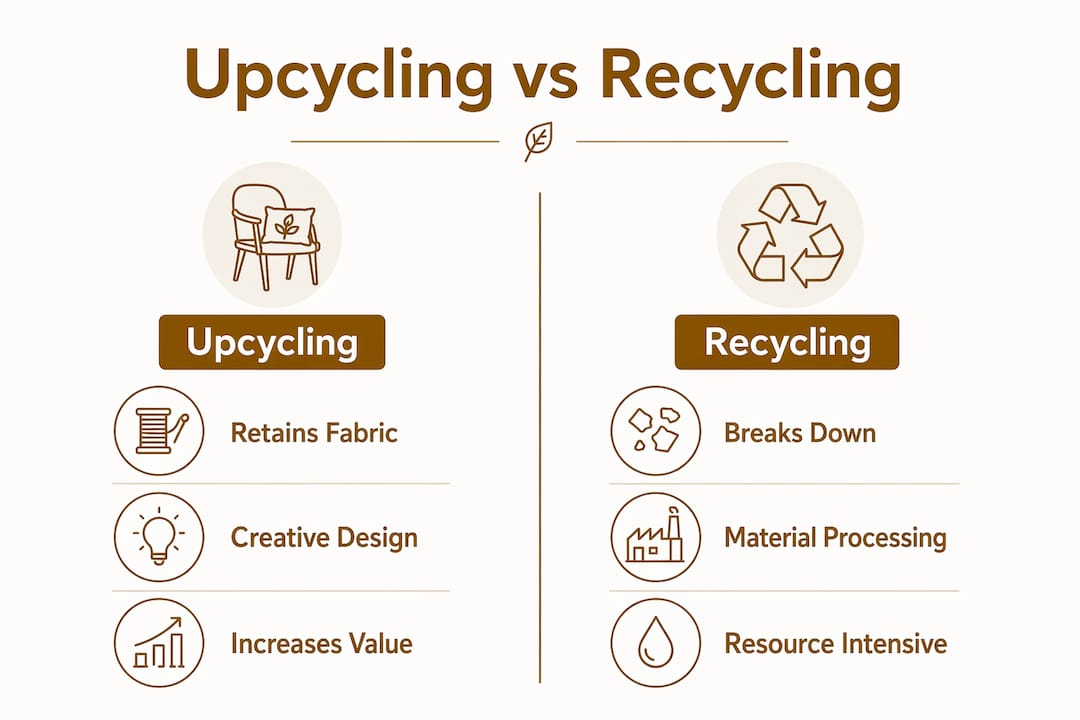
The two approaches share a goal but take very different paths. Recycling in fashion typically breaks garments down into raw fibres, and that process almost always produces lower-quality outputs than the original material. Shredded cotton becomes low-grade insulation or carpet padding. The value goes down, not up. That is what researchers call downcycling.
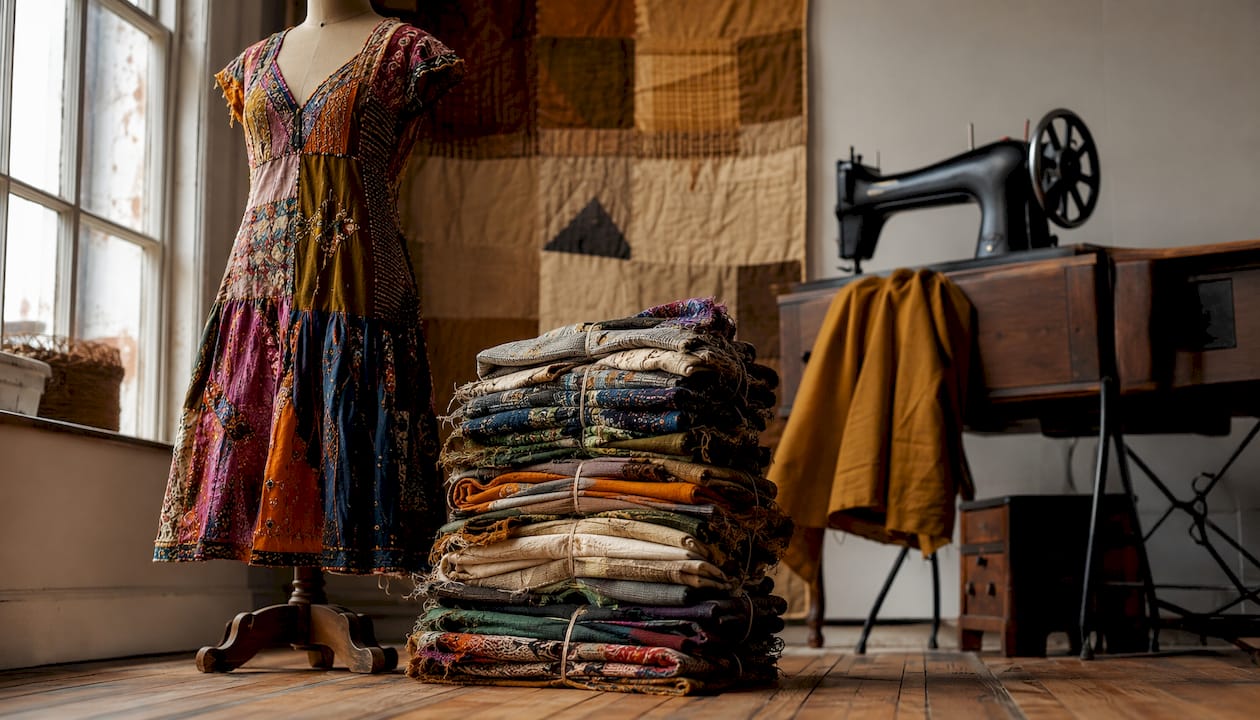
Upcycling skips the breakdown entirely. The fabric stays intact, and creative design does the work of transformation.
| Factor | Upcycling | Recycling (downcycling) |
|---|---|---|
| Material process | Retains original fibres and form | Breaks fibres down into raw material |
| Output quality | Equal to or higher than the original | Usually lower than the original |
| Energy use | Low — no industrial processing required | Higher — requires mechanical or chemical breakdown |
| Scalability | Limited by irregular waste inputs | More scalable with industrial infrastructure |
| Result | Unique, design-driven garments | Commodity-grade material for new production |
Key distinctions worth keeping in mind:
- Upcycling is a design act; recycling is primarily an industrial one
- Upcycled garments are inherently one-of-a-kind; recycled outputs are standardised
- Upcycling uses less energy per garment because it avoids reprocessing
- Both divert waste from landfill, but upcycling preserves more of the original material’s value
Why upcycled fashion matters for the environment and beyond
The environmental case is straightforward. Upcycling reduces textile waste sent to landfill and cuts the resource consumption tied to manufacturing new garments from scratch. Producing a single new cotton T-shirt requires significant water, energy, and chemical inputs. An upcycled garment sidesteps most of that.
Beyond the environmental argument, upcycling challenges the logic of fast fashion at a structural level. Experts describe the practice as “anti-industry,” favouring slow, labour-intensive, locally made processes over mass production. Fashion Revolution co-founder Orsola de Castro has called for a systemic shift in how the industry operates, and upcycling sits at the centre of that argument.
There are social and economic dimensions too:
- Upcycled garments support skilled craftsmanship and artisanal labour
- Limited-edition pieces resist the disposability that defines fast fashion
- Consumers who buy upcycled clothing opt out of supply chains with documented labour and environmental concerns
- The practice opens space for independent designers and small studios to build businesses around ethical production
Real-world examples of upcycled fashion in action
Some of the most compelling proof that upcycling works at scale comes from brands that have built their entire identity around it. Freitag, the Swiss brand, has spent decades turning used truck tarps into bags and accessories. Every piece is distinct because every tarp is different. That irregularity is the point, not a flaw.
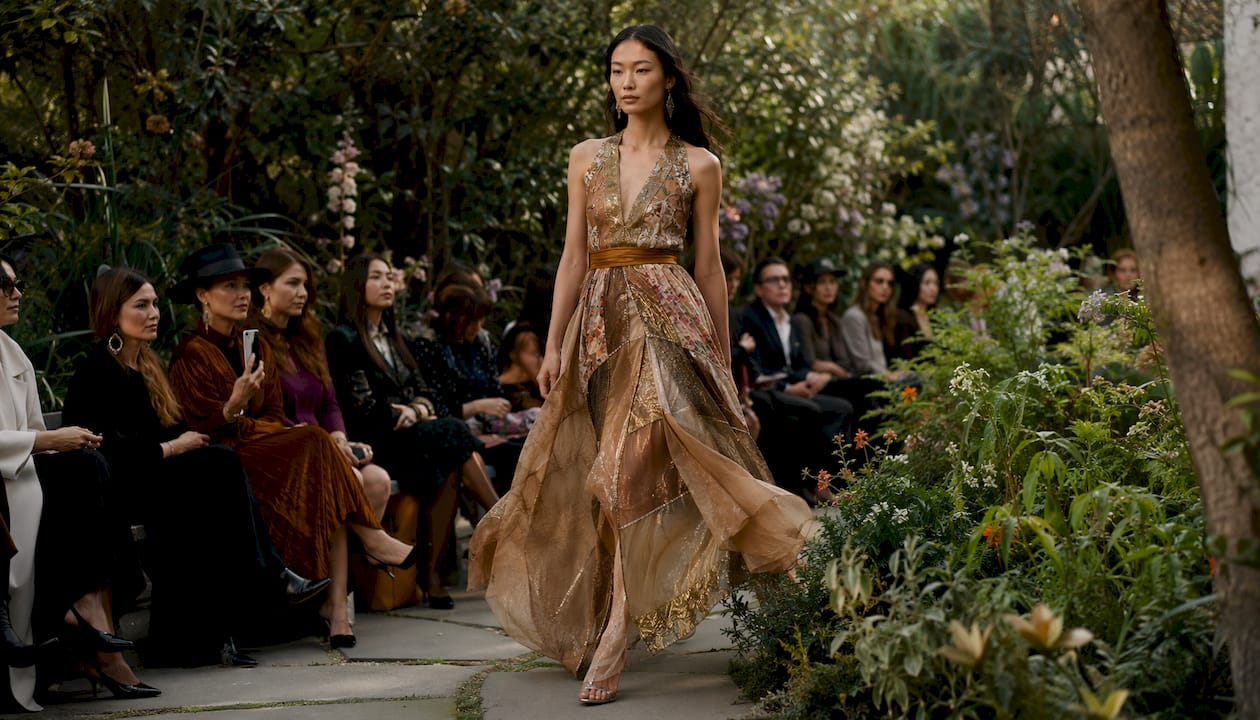
Stella McCartney’s Summer 2023 collection included pieces made from surplus materials, demonstrating that luxury fashion can incorporate upcycled approaches without sacrificing aesthetic ambition. Urban Outfitters’ Urban Renewal line takes a different route, weaving upcycled product lines into an established mainstream retail brand rather than building a standalone label.
The European Commission has also spotlighted initiatives like BENU COUTURE, which creates new collections exclusively from existing clothing sourced within its region, integrating upcycling into a broader community and sustainability model.
Pro Tip: When researching upcycled brands, look for transparency about where source materials come from. A brand that names its waste streams and explains its process is far more credible than one that uses “eco” as a marketing label without specifics.
Legal and practical realities of creating and buying upcycled clothing
Selling upcycled garments is legal and widely recognised in the fashion industry. The creative transformation of thrifted or discarded materials into new pieces raises no inherent legal issues. The one area that requires care is trademark law: cutting up and reselling a garment that prominently features another brand’s logo without authorisation can create intellectual property problems. The upcycling itself is not the issue; the branding is.
Practically, upcycling is demanding work. Waste materials arrive dirty, degraded, and inconsistent. Handling irregular inputs requires both technical skill and physical effort, and the bespoke nature of each piece makes mass production essentially impossible. That constraint is also what keeps upcycled fashion genuinely limited-edition.
For consumers, identifying authentic upcycled pieces comes down to a few reliable signals:
- Look for visible design irregularities that reflect varied source materials
- Check whether the brand discloses what the garment was made from
- Favour makers who describe their sourcing and process openly
- Be sceptical of “upcycled” claims with no supporting detail about materials or origin
- Understand that true upcycling produces unique items, not uniform runs of identical pieces
How upcycled fashion supports an ethical and sustainable lifestyle
Choosing upcycled clothing is one of the most direct ways to align your wardrobe with your values. Every upcycled purchase diverts a garment or textile from landfill and reduces demand for new production. That reduction matters because ethical fashion choices compound over time across a wardrobe.
Upcycling also reframes the relationship between clothing and value. Fast fashion trains consumers to treat garments as disposable. Upcycled pieces, by contrast, carry visible history and require genuine craft. Wearing one is a different kind of statement than buying something off a rack of identical items. The slow, purposeful approach that upcycling demands of its makers tends to transfer to the people who wear it.
The role upcycled fashion plays in reducing textile waste
Textile waste is one of the fashion industry’s most persistent problems. Garments discarded after minimal use, production offcuts, and unsold inventory all contribute to a waste stream that landfills absorb at scale. Upcycling directly intercepts that stream by treating discarded material as a design resource rather than a disposal problem.
The practice works at every level, from an independent designer sourcing thrifted garments to a luxury brand redirecting surplus fabric from its own production. What connects these approaches is the refusal to treat textile waste as inevitable. Upcycling insists that the material still has value, and then proves it through design.
Key takeaways
Upcycled fashion transforms discarded textiles into higher-value garments through creative design, extending material lifecycles and reducing the waste that conventional fashion treats as unavoidable.
| Point | Details |
|---|---|
| Core definition | Upcycling retains material integrity and increases garment value through creative redesign, not industrial breakdown. |
| Upcycling vs. recycling | Recycling typically downcycles fibres into lower-grade material; upcycling preserves and elevates the original. |
| Environmental benefit | Upcycled production avoids the energy, water, and chemical inputs required to manufacture new garments from scratch. |
| Authenticity signals | Look for design irregularities, disclosed source materials, and transparent brand ethics when buying upcycled pieces. |
| Scalability limit | Irregular waste inputs make mass production of upcycled fashion essentially impossible, keeping each piece genuinely unique. |
At 16thavenue, we believe that caring about what you wear and caring about the planet are not competing priorities. Whether you are building a more conscious wardrobe or simply looking for pieces that last, our collections are curated with that balance in mind. Explore our woolen coat collection for seasonally considered style, or browse the full range at 16thavenue.ca.