


What is wellness fashion? your 2026 guide
TL;DR:
- Wellness fashion focuses on clothing that promotes physical comfort and measurable health benefits. It relies on specific materials like organic fibers and FIR fabrics to support well-being through design. Consumers should scrutinize health claims carefully and prioritize sleepwear and activewear for effective incorporation.
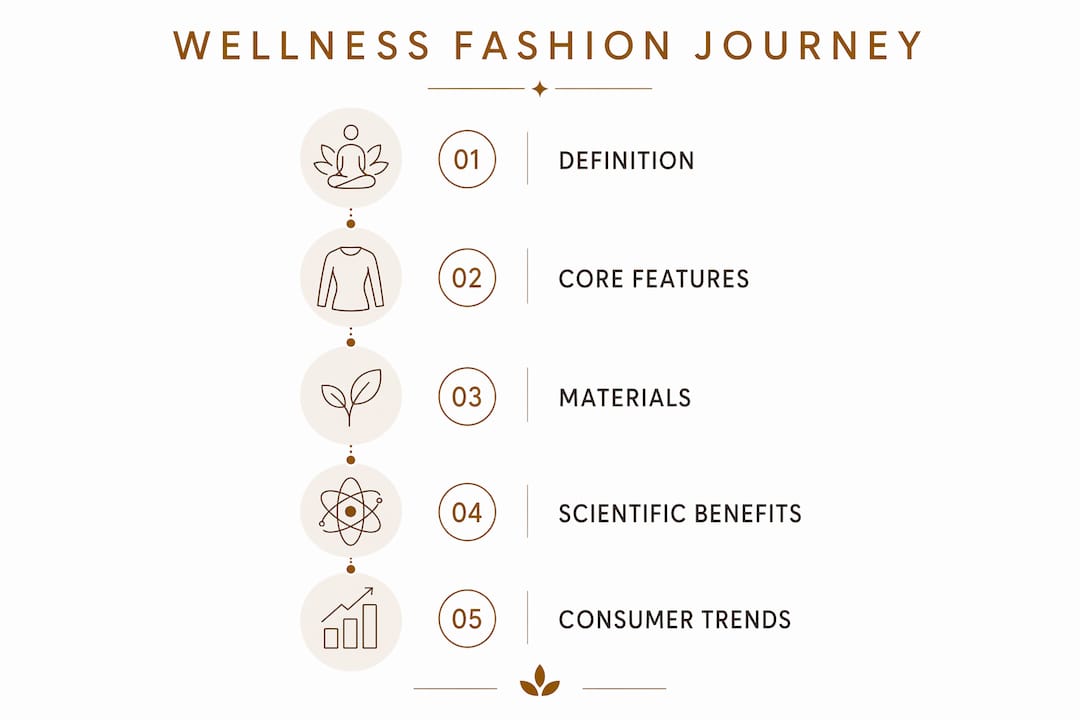
Wellness fashion is clothing explicitly designed to support physical comfort, promote measurable health outcomes, and reflect a mindful approach to daily life. The term is gaining traction across publications like Business of Fashion, Vogue Arabia, and McKinsey, but the industry’s own vocabulary leans toward “wellbeing apparel” or “functional wellness clothing.” Both phrases describe the same shift: garments built around the wearer’s health, not just their appearance. Understanding what is wellness fashion means recognising that your wardrobe can do more than look good. It can actively support how you feel, sleep, move, and recover.
What is wellness fashion and how does it differ from regular clothing?
Wellness fashion centres on clothing designed for health, comfort, longevity, and stress relief, not just aesthetics. That distinction matters because traditional fashion prioritises silhouette, colour, and trend cycles above all else. Wellness apparel flips that priority: the garment’s physical effect on the wearer comes first, and style follows.
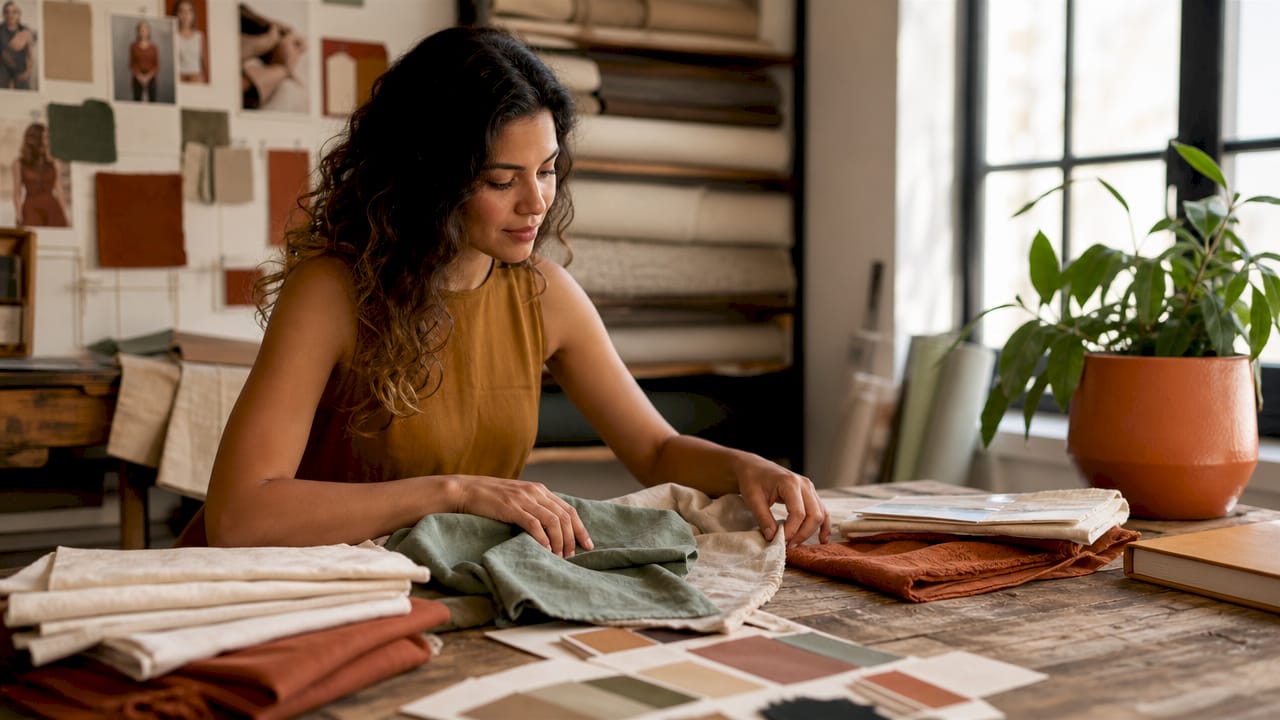
The difference shows up in every design decision. A standard polyester blouse traps heat and may irritate sensitive skin. A wellness-focused equivalent uses breathable, non-toxic materials that regulate temperature and reduce skin stress. The goal is not to look healthy. The goal is to feel it.
Brands are now creating wellbeing-adjacent spaces and elevating wellness as central to consumer identity and spending. This is not a niche movement. Wellness is reshaping how mainstream and luxury labels design, market, and sell clothing at every price point.
What are the key features and materials used in wellness fashion?
Wellness apparel relies on specific fabrics and construction methods that go well beyond standard garment manufacturing. The most common features include:
- Breathable natural fibres such as organic cotton, bamboo, and merino wool, which regulate body temperature and reduce skin irritation
- Non-toxic dyes that eliminate harsh chemical residues linked to skin sensitivity
- Antimicrobial and moisture-wicking properties that keep skin dry and reduce bacterial growth during activity
- Ergonomic shapes that follow the body’s natural movement without restriction
- Far-infrared (FIR) emitting fabrics woven with mineral-based threads that interact with body heat to support thermoregulation
- Aromatherapy or mineral infusions embedded in textiles, releasing calming compounds during wear
Retailers highlight these health benefits to appeal to wellness-conscious shoppers, and the fabric choice is the single most important factor separating genuine wellness clothing from marketing spin.
Pro Tip: When evaluating a wellness garment, check the fabric composition label first. If the first listed material is a synthetic like polyester or nylon with no functional coating, the wellness claim is likely cosmetic rather than physiological.
The most advanced wellness textiles go further. FIR-emitting garments use ceramic or mineral particles woven into the fibre to reflect the body’s own infrared energy back into tissue. This supports circulation and thermoregulation without any electronic component. Aromatherapy-infused fabrics use microencapsulation technology to release lavender or eucalyptus compounds gradually through friction and body heat. These are not gimmicks. They are measurable textile engineering choices with documented physiological effects.
What does scientific research say about the health benefits of wellness clothing?
The science behind wellness apparel is real, but it requires careful reading. Not every claim holds up equally across all populations and contexts. Here is what peer-reviewed research currently supports:
-
FIR sleepwear improves sleep quality. A 2026 randomised crossover trial found that FIR sleepwear raised REM sleep from 18.6% to 22.2%, reduced tympanic temperature, and decreased mid-sleep sweating. That is a clinically meaningful improvement in sleep architecture for healthy adults.
-
Night-time compression garments reduce lymphedema. The LYMphoNIGHT study showed that MOBIDERM Autofit night-time compression produced significant arm volume reduction in breast cancer patients after three months. This is a specific, evidence-backed clinical benefit.
-
Compression tights do not improve sleep in healthy athletes. A separate 2026 MDPI study found no statistical improvement in sleep onset, efficiency, or REM sleep when healthy male cyclists wore lower-body compression tights after exercise. The benefit seen in clinical populations does not automatically transfer to healthy consumers.
“Consumers should scrutinise garment health claims by outcome specificity, target population, and research quality to avoid misconceptions.” — Physiological effects of far-infrared-emitting garments on sleep, MDPI 2026
The pattern here is consistent. Wellness garments produce real physiological effects in specific conditions. A FIR sleepwear study on healthy adults shows genuine sleep improvement. A compression study on lymphedema patients shows genuine volume reduction. But compression tights marketed to healthy gym-goers for sleep recovery? The evidence does not support that claim.
Pro Tip: Before buying a wellness garment based on a health claim, ask three questions: Who was studied? What was measured? How long was the study? If the brand cannot answer all three, the claim is marketing, not medicine.
How do wellness fashion trends reflect broader consumer values?
Wellness is now a priority for 84% of US consumers and 94% of Chinese consumers, with Gen Z and Millennials leading wellness spending. The wellness market grows at 5–6% annually through 2028. Fashion is not immune to that shift. It is one of its primary beneficiaries.
The result is a new category of brand behaviour. Labels are creating “third spaces” for consumer engagement: in-store meditation areas, wellness programming, and community events that extend the brand relationship beyond the transaction. This is not altruism. It is a calculated response to consumers who want their clothing purchases to mean something.
| Trend theme | Health function focus | Lifestyle identity focus |
|---|---|---|
| FIR and smart textiles | Thermoregulation, sleep quality | Premium, science-backed positioning |
| Compression wear | Lymphedema management, recovery | Athletic identity, performance signalling |
| Sustainable materials | Skin health, reduced chemical exposure | Ethical consumption, environmental values |
| Ergonomic design | Movement freedom, posture support | Comfort-first aesthetic, anti-fast-fashion |
| Wellness retail spaces | Behaviour facilitation, stress reduction | Community belonging, brand loyalty |
Luxury wellness branding taps into consumer desires for balance, longevity, and ease, reflecting identity signalling rather than only clinical health benefits. That is the honest truth about much of the wellness fashion market. Buying a $400 cashmere wellness hoodie will not cure insomnia. But it might make you more likely to build a calming evening routine, and that behaviour change is where the real health benefit lives.
Wellness fashion also aligns naturally with sustainable fashion trends. Organic fibres, non-toxic dyes, and durable construction all reduce environmental impact. Mindful consumption and environmental responsibility share the same consumer values, which is why wellness and sustainability so often appear together in brand messaging.
What practical tips help you adopt wellness fashion without losing style?
Wellness lifestyle clothing does not require a complete wardrobe overhaul. The most effective approach is to start with the garments that touch your skin longest each day: sleepwear, underwear, and activewear. These have the greatest contact time and therefore the greatest potential for physiological effect.
- Prioritise sleepwear first. FIR sleepwear has the strongest current evidence base. Replacing synthetic pyjamas with natural fibre or FIR-infused options is the highest-impact single swap.
- Choose athleisure that works double duty. Moisture-wicking, antimicrobial leggings and tops serve both workout and casual wear, reducing the need for separate wardrobes.
- Look for ergonomic footwear. Air-cushion soles and arch-support construction reduce foot fatigue and joint stress during daily movement.
- Verify compression claims carefully. Compression accessories have strong evidence for specific medical conditions. For general wellness use, focus on fit and comfort rather than clinical outcome claims.
- Read fabric labels, not just marketing copy. Organic cotton, bamboo, and merino wool are verifiable. “Wellness fabric” without a specific material name is not.
Pro Tip: Avoid any wellness garment that promises sleep improvement through compression alone unless you have a diagnosed condition like lymphedema. The research on healthy populations does not support that specific claim, and you will likely pay a premium for no measurable benefit.
Functional outdoor clothing also supports wellbeing indirectly. Garment design that enables outdoor activity supports emotional recovery and stress reduction by making it easier to spend time in nature. A well-designed waterproof jacket or insulated layer is a wellness garment in the truest sense: it facilitates the behaviour that produces the health benefit.
For readers exploring fashion trends in 2026, wellness integration is not a passing season. It is a structural shift in how apparel is designed, sold, and worn.
Key takeaways
Wellness fashion delivers real physiological benefits when garments use evidence-backed materials and design, but shoppers must separate verified clinical outcomes from identity-driven marketing claims.
| Point | Details |
|---|---|
| Definition is specific | Wellness fashion prioritises health, comfort, and mindfulness in design, not aesthetics alone. |
| Materials matter most | Organic fibres, FIR textiles, and non-toxic dyes are the foundation of genuine wellness apparel. |
| Science is selective | FIR sleepwear and clinical compression garments have strong evidence; compression for healthy athletes does not. |
| Trends reflect values | 84% of US consumers prioritise wellness, driving brands to integrate wellbeing into identity and retail experience. |
| Start with sleepwear | Sleepwear has the longest skin contact time and the strongest current evidence for wellness fabric benefits. |
Why I think wellness fashion is worth taking seriously, with conditions
The wellness fashion conversation frustrates me when it collapses into two equally useless positions. The first is uncritical enthusiasm: every breathable fabric is a health revolution, every compression legging will fix your recovery. The second is reflexive cynicism: it is all marketing, none of it works, buy whatever is cheapest.
Neither position is honest. The FIR sleepwear data is real. The lymphedema compression data is real. The evidence that compression tights help healthy cyclists sleep better is not real. These are not contradictions. They are the normal, messy results of actual science applied to a complex product category.
What I find genuinely exciting about wellness fashion is the behaviour facilitation angle. A well-made outdoor jacket does not cure anxiety. But it makes you more likely to go outside in february when it is cold and grey, and that walk is where the mental health benefit actually comes from. The garment is a tool for behaviour, not a treatment. That framing is honest, and it is where the real value of wellness apparel lives.
My advice is to be a deliberate shopper. Spend more on sleepwear and the clothing you wear during recovery or rest. Scrutinise compression claims unless you have a clinical need. Choose natural fibres where your budget allows. And treat wellness fashion as a support structure for healthy habits, not a substitute for them.
— Glenville
Wellness-inspired pieces worth wearing from 16thavenue
16thavenue carries several pieces that embody wellness fashion principles without sacrificing style. The collection includes options built around breathability, ergonomic support, and seasonal comfort.
The breathable sport sneakers feature a non-slip sole and low-wedge ergonomic design that reduces foot fatigue during daily wear. The air-cushion snow boots combine foot support with winter practicality, a combination that matters when cold weather discourages movement. For layering, the woolen autumn coat uses natural fibre construction that regulates warmth without synthetic bulk. These are not medical devices. They are well-made garments designed to support how you move and feel every day.
FAQ
What is wellness fashion in simple terms?
Wellness fashion is clothing designed to support physical comfort, health outcomes, and mindful living through specific materials and construction choices, not just appearance.
Do wellness garments actually work?
Some do, with evidence. FIR sleepwear has been shown to improve REM sleep, and night-time compression garments reduce lymphedema in clinical populations. Claims for healthy consumers require more scrutiny.
What fabrics are used in wellness clothing?
Organic cotton, bamboo, merino wool, and far-infrared emitting mineral-woven textiles are the most common. Antimicrobial and moisture-wicking coatings are also standard in wellness activewear.
Is wellness fashion the same as sustainable fashion?
They overlap but are not identical. Wellness fashion focuses on the wearer’s physical and mental wellbeing. Sustainable fashion focuses on environmental impact. Many wellness brands pursue both, since organic fibres and non-toxic dyes serve both goals.
How do I start wearing wellness fashion without replacing my whole wardrobe?
Start with sleepwear and the garments with the longest daily skin contact. Natural fibre pyjamas and ergonomic footwear are the highest-impact, lowest-disruption entry points into wellness apparel.