


Why use lip oils: hydration and glossy, non-sticky shine
Lip oils are a hybrid between skincare and makeup: they hydrate your lips with treatment-grade ingredients while leaving a glossy, non-sticky finish that balm and gloss rarely manage together. If your lips feel dry, look dull, or you want shine without the tacky pull of traditional gloss, lip oil is the most practical single product to reach for.
The core reasons to use lip oil:
- Longer-lasting hydration through occlusive oils and humectants that seal moisture rather than just coating the surface
- Softer texture and reduced flakiness with regular use, including visible smoothing of fine vertical lip lines
- A glossy, plumped appearance without stickiness, achieved through light reflection rather than thick coating
One quick note for Canadian shoppers: most lip oils do not include SPF, which matters more than many people realise for outdoor use in all seasons.
Key takeaways
Lip oils are the most practical daily lip product for anyone who wants hydration and a polished finish without the trade-offs of balm or gloss.
| Point | Details |
|---|---|
| Hydration and shine together | Lip oils deliver both treatment-grade moisture and a glossy finish that balm and gloss rarely achieve simultaneously. |
| Fragrance is the main risk | Avoid peppermint, cinnamon, and essential oil fragrances, especially if you have sensitive lips or a history of dermatitis. |
| SPF gap matters outdoors | Most lip oils lack UV protection; layer with an SPF lip balm for outdoor use in any Canadian season. |
| Overnight use builds results | Consistent nightly application of a humectant-rich formula reduces lip line visibility and improves texture over weeks. |
| 16thavenue lip-care selection | 16thavenue offers curated lip oils including fragrance-free options suited to Canadian climates, with free shipping to most destinations. |
Table of Contents
- Why use lip oils instead of your usual balm or gloss?
- What exactly is lip oil?
- What benefits do lip oils actually deliver?
- How does lip oil compare with balm and gloss?
- What ingredients should you look for in a lip oil?
- How to use lip oil correctly
- Are lip oils safe? What you need to know before buying
- What dermatologists and evidence say about lip oil use
- How to choose the right lip oil for your needs
- An editor’s perspective on lip oils
- Why lip oils have earned a permanent spot in a smart beauty routine
- Lip oils at 16thavenue: curated beauty, practical value
- Sources
Why use lip oils instead of your usual balm or gloss?
Lip balm protects. Lip gloss shines. Lip oil does both, and adds a layer of active skincare that neither of the others typically delivers. The distinction matters because the product you reach for shapes what your lips actually get.
A standard lip balm relies on waxes (beeswax, carnauba) to form a physical barrier that slows moisture loss. That barrier is useful, especially in cold or windy weather, but it does not actively hydrate. Gloss is mostly cosmetic: it creates shine through thick polymers or oils, but the formula is rarely designed to treat the lip surface. Lip oil sits in a different category. According to Real Simple’s beauty overview, lip oils combine hydrating ingredients like jojoba and argan with humectants such as hyaluronic acid to moisturise lips, soften vertical lip lines, and provide lasting, non-sticky shine.
That combination is what makes lip oil worth adding to a routine rather than just swapping for one of the others.
What exactly is lip oil?
Lip oil is a treatment-focused, oil-based product that sits between skincare and colour cosmetics. The base is typically a lightweight carrier oil (jojoba, grapeseed, argan, or squalane) rather than the waxes that define balm or the heavy polymers in gloss. That lighter viscosity is why lip oil spreads easily, absorbs partially into the lip surface, and does not leave the thick, sticky residue that traditional gloss does.
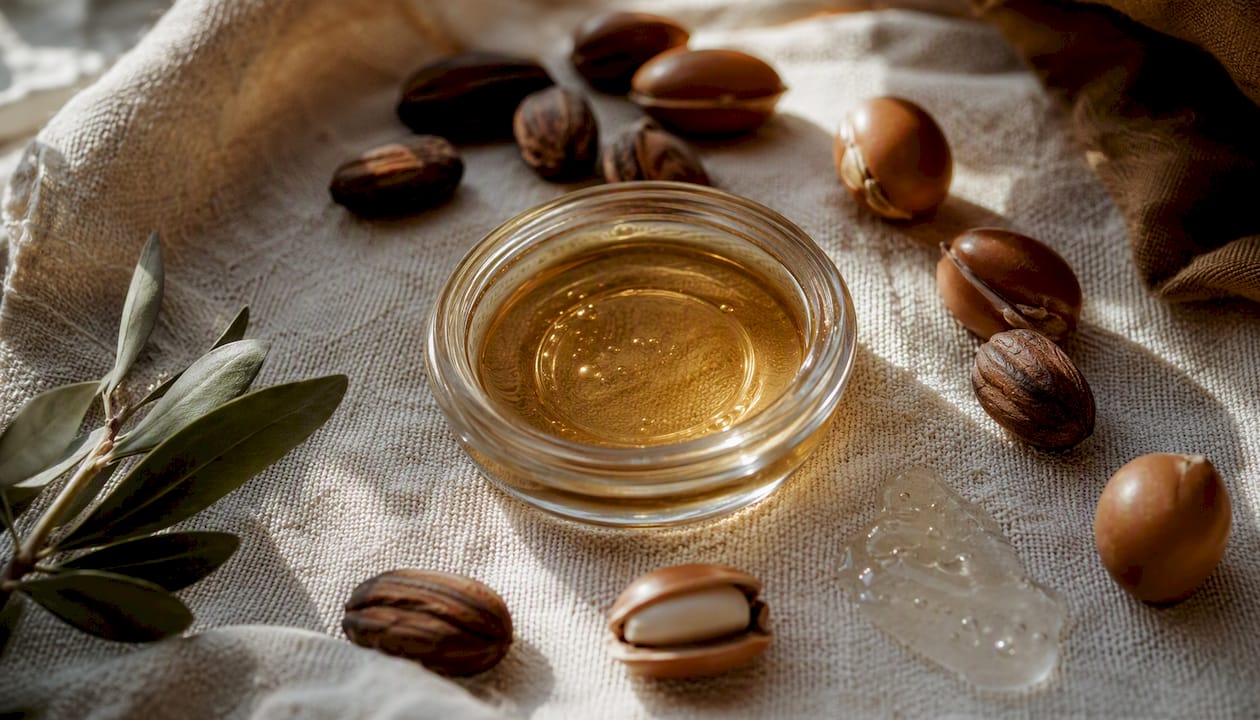
Formulators often layer in humectants like glycerin or hyaluronic acid to draw moisture to the lip surface, plus antioxidants like vitamin E to support the skin barrier. As Makeup, lip oil acts like “skincare in disguise,” with seed oils, hyaluronic acid, and antioxidants working together beyond surface shine.
Packaging varies: wand applicators (the most common), dropper bottles for more concentrated serums, and occasional stick formats. Wand applicators are the most practical for daily use because they limit air exposure and keep the formula fresh longer.
What benefits do lip oils actually deliver?
The benefits split into two categories: what you notice immediately and what builds over time.
Immediately, lip oil gives you a glossy, light-reflecting finish that creates the visual impression of fuller lips. That apparent plumping is optical, not volumetric. Light bounces off the smooth, hydrated surface and makes lips look more defined. You also get a comfortable, non-sticky feel that encourages you to actually wear it throughout the day.

Short-term, the occlusive and humectant ingredients reduce surface flakiness within a few applications. Lips that were rough and peeling tend to feel noticeably softer within a day or two of consistent use. This is especially relevant in Canada’s cold, dry winters, where lip skin loses moisture faster than in humid climates. For more on managing seasonal dryness, the winter skincare tips guide from 16thavenue covers the broader context well.
Longer-term, consistent nightly use of a humectant-rich lip oil can reduce the visibility of vertical lip lines over several weeks by improving surface hydration and flexibility. The effect is gradual, not dramatic, but it is real and cumulative.
How does lip oil compare with balm and gloss?
| Feature | Lip balm | Lip gloss | Lip oil |
|---|---|---|---|
| Primary function | Protective barrier | Surface shine | Treatment + shine |
| Main ingredients | Waxes, petrolatum | Polymers, heavy oils | Lightweight oils, humectants, antioxidants |
| Texture | Waxy, solid | Thick, sticky | Fluid, lightweight |
| Hydration depth | Surface barrier | Minimal | Occlusive + humectant |
| Typical SPF | Often included | Rarely | Rarely |
| Best use case | Cold weather, outdoor protection | Makeup finish | Daily hydration, layering, overnight treatment |
| Reapplication feel | Comfortable | Can feel heavy | Light, comfortable |
The practical takeaway: reach for balm when you need outdoor protection or SPF coverage. Use gloss when the only goal is a bold, wet-look finish for a short event. Lip oil is the everyday choice when you want your lips to actually improve over time while still looking polished. For a broader look at where lip oil fits among other types of beauty products, 16thavenue’s category guide is a useful reference.
What ingredients should you look for in a lip oil?
The label tells you almost everything you need to know. Here is what to seek and what to skip.
Look for these:
- Lightweight seed oils: jojoba, grapeseed, and rosehip absorb well and do not feel heavy. Squalane is particularly good for sensitive lips because it is non-comedogenic and very stable.
- Humectants: glycerin and hyaluronic acid draw water to the lip surface and hold it there. These are the ingredients that separate a treatment oil from a plain cosmetic oil.
- Vitamin E (tocopherol): an antioxidant that supports the skin barrier and extends the shelf life of the formula.
- Castor oil: commonly used in lip products for its thick, glossy texture. Fine in small amounts, but a formula that is mostly castor oil can feel heavier than expected.
Be cautious with these:
- Fragrance and essential oils: peppermint and cinnamon are the most common irritants in lip products. They create a tingling sensation that some people interpret as plumping, but the sensation is mild inflammation. For anyone prone to dermatitis, these are worth avoiding entirely.
- High-oleic oils as the sole base: oils very high in oleic acid (like olive oil) can disrupt the skin barrier with repeated use on already compromised lips.
- No SPF: most lip oils do not include UV protection. Dermatologists advise that lip oils without SPF can increase UV exposure on the thin lip skin, which raises pigmentation risk outdoors. If you are wearing lip oil outside, pair it with an SPF lip balm underneath or choose one of the few lip oils that include sun protection.
Packaging matters too. Wand applicators and sealed droppers limit air exposure, which helps preserve hyaluronic acid and antioxidants that degrade quickly once oxidised.
How to use lip oil correctly
Getting the most from lip oil is less about technique and more about timing and layering.
- Start with clean, dry lips. Gently exfoliate once or twice a week if you have persistent flakiness, but do not apply lip oil immediately after a harsh scrub on broken skin.
- Apply a thin, even layer. One or two passes with the wand is enough. Piling on more product does not increase hydration; it just increases the chance of the oil migrating.
- Use it alone for a natural look, or layer it over a matte lipstick to restore comfort and add shine. Apply the lipstick first, blot lightly, then press the lip oil over top. The oil softens the drying effect of matte formulas without significantly changing the colour. For more layering ideas, 16thavenue’s makeup tips guide covers the technique in a broader context.
- Reapply two to three times during the day for maintenance, not constantly. Over-applying throughout the day can actually discourage your lips from retaining moisture on their own.
- Apply a generous layer at night as an overnight treatment. This is when the humectants and oils have time to work without being wiped off by eating or drinking.
Pro Tip: Apply your lip oil before brushing your teeth at night, not after. Toothpaste residue can interfere with absorption, and the overnight window is your best opportunity for the humectants to work undisturbed.
Are lip oils safe? What you need to know before buying
For most people, lip oils are very safe. The main risks come from specific ingredients and from skipping SPF outdoors.
Patch testing is straightforward for lip products: apply a small amount to the inside of your wrist or the corner of your lip and wait 24 hours. Redness, itching, or swelling indicates a reaction to an ingredient in the formula.
Common irritants to watch for include fragrance compounds (especially peppermint, cinnamon, and citrus oils), certain plumping agents like capsaicin or ginger extract, and preservatives in some formulas. Signs of contact dermatitis include persistent redness, swelling, or peeling that does not resolve when you stop using the product.
Post-inflammatory hyperpigmentation (PIH) is a real risk with lip products that cause repeated low-grade irritation. Darker skin tones are more susceptible. If you notice darkening around the lip border after using a product, discontinue it and consult a dermatologist.
Who should be cautious: anyone with active cold sores, open chapping or cracked lip skin, or a diagnosed lip dermatitis should avoid new lip oil products until the skin has healed. The clinical summary on lip skin anatomy confirms that lip epidermis is thinner than facial skin, which increases permeability and susceptibility to irritation. That thinner barrier is why ingredients that feel fine on your cheek can cause a reaction on your lips.
A note for Canadian shoppers: Health Canada regulates cosmetic labelling requirements, including ingredient disclosure on all products sold in Canada. When shopping online, check that the product lists all ingredients (the INCI list) and that any SPF claim carries a Drug Identification Number (DIN), which confirms it has been reviewed for safety and efficacy in Canada.
What dermatologists and evidence say about lip oil use
The dermatologist consensus on lip oils is broadly positive, with two consistent cautions: SPF and fragrance.
Clinically, the most important structural fact about lips is that the skin is anatomically thinner than the rest of your face. That thinner epidermis means ingredients penetrate more readily, which is why humectants like hyaluronic acid work well on lips, but also why irritants cause reactions faster. Dermatologists recommend checking labels for humectants and antioxidants to maximise both immediate and lasting hydration benefits.
The evidence-based rules that come out of the research:
- Seek SPF coverage for outdoor use. Most lip oils do not include it, so layer with an SPF balm underneath.
- Avoid fragranced formulas if you have sensitive lips or a history of contact dermatitis.
- The plumping effect from lip oil is primarily optical, not volumetric. Products that claim dramatic physical plumping through irritant ingredients (capsaicin, ginger) achieve that sensation through mild inflammation, which carries a PIH risk with repeated use.
- Consistent use matters more than the specific brand. A fragrance-free, humectant-rich formula used nightly will outperform an expensive formula used sporadically.
The shift in the beauty industry toward lightweight, multi-functional products reflects this evidence: comfort and long-term lip health are now the design goal, not just surface shine.
How to choose the right lip oil for your needs
Match the formula to your specific concern and you will get results faster.
Dry and sensitive lips: choose a fragrance-free formula with squalane or jojoba as the base oil and glycerin or hyaluronic acid as the humectant. Avoid anything with essential oils, plumping agents, or added fragrance.
Want shine without heaviness: look for a lightweight grapeseed or jojoba base with minimal castor oil. These spread easily and do not feel thick after application.
Overnight repair: a richer formula with vitamin E, hyaluronic acid, and a slightly heavier oil base (like argan) works well as a sleep mask for lips. Apply generously before bed.
Layering over matte lipstick: choose a clear or lightly tinted formula with a thin consistency so it does not significantly alter the lipstick colour or cause it to bleed.
Outdoor use: pair any lip oil with an SPF lip balm underneath, or look for the small number of lip oils that include a DIN-verified SPF. Check the beauty shopping guide from 16thavenue for practical tips on reading labels when buying beauty products online in Canada.
An editor’s perspective on lip oils
Why lip oils have earned a permanent spot in a smart beauty routine
The beauty category has been flooded with products that promise transformation and deliver inconvenience. Lip oil is the exception. It is genuinely low-effort, genuinely multi-functional, and it does not ask you to choose between looking good and treating your skin.
What I find most underrated about lip oil is the overnight use case. Most people think of it as a daytime gloss alternative, but the real value accumulates while you sleep. A humectant-rich formula applied before bed, consistently, is one of the simplest ways to improve lip texture over a few weeks without adding a complicated step to your routine.
The one thing I would push back on: the idea that any lip oil will do. Fragrance is the variable that separates a product that works from one that causes problems. The tingling sensation from peppermint or cinnamon feels like it is doing something, but it is just irritation. For anyone with sensitive skin, that repeated low-grade inflammation is exactly what causes the darkening around the lip border that is so hard to reverse. A fragrance-free formula is not a compromise. It is the smarter choice.
Lip oils at 16thavenue: curated beauty, practical value
16thavenue carries a curated selection of lip oils and lip-care products as part of its broader beauty assortment, chosen with the same eye for quality and value that runs through the rest of the site’s collections.

What you can expect from 16thavenue’s lip-care picks: fragrance-free options for sensitive lips, formulas that work as standalone gloss alternatives and as overnight treatments, and seasonal selections that reflect what actually works in Canadian climates. Free shipping to most destinations means you can try a new formula without the usual hesitation about online beauty purchases. Browse the 16thavenue beauty collection to find lip oils and complementary lip-care products that fit your routine and your budget.
Sources
The following sources informed this guide and are worth bookmarking for further reading:
- What does lip oil do? Benefits of lip oil vs lip gloss
- Are popular lip oils safe to use? A doctor explains
- Makeup
- Ncbi